
When Hair Loss Is a Wake-Up Call
Hair loss doesn’t usually come with a warning. It sneaks in silently, like additional hairs on a pillow, a wider section, or edges that don’t bounce back like they used to. For many women, the experience is deeply personal, complex, and emotional. It makes us question who we are, how we feel about ourselves, and how we see ourselves. This story starts in that peaceful place where there are more questions than answers, and you learn to be strong every day.
Living in the Question Marks
For more than ten years, hair loss from alopecia and autoimmune diseases has affected daily life. There were doctor visits, pictures of the scalp taken in the bathroom, notebooks full of prescription names and adverse effects, and long waits. Waiting to see if something worked. Waiting to see if the shedding stopped. Waiting until you feel like yourself again. The mental pain was often worse than the physical pain.
The Cost of Emotions That No One Talks About
Hair loss isn’t simply a cosmetic issue; it can also affect your mental health, self-esteem, and social comfort. Plans that were canceled, hats worn indoors, and often looking in mirrors and pictures. Many ladies are sad about something that other people think is “just hair.” That quiet might make you feel alone, especially when resources seem cold or clinical.
Looking for Answers Outside of Prescriptions
Some people got better with traditional therapies, but not all of them. Some were too pricey, too forceful, or had side effects that made it feel like you were swapping one problem for another. Along the process, I got quite interested in natural cures, holistic approaches, and adjustments to my lifestyle. What if taking care of your scalp was seen as a way to stay healthy instead of a fast fix?
The First Step to Empowerment Is Education
Learning about core issues became a way to stand up for yourself. Stress, hormones, changes after giving birth, lack of vitamins, heredity, and how you care for your hair all affect your hair’s health. Learning how these things are related helped take away the embarrassment. Losing hair wasn’t a personal failure; it was a health issue.
[restrict]Creating Something That Wasn’t There
The fact that there wasn’t any easy-to-find information for women dealing with hair loss gave rise to a greater notion. What if there was a place where you could have clean food, learn, and get emotional support? A place where you didn’t have to have a diagnosis to be a part of it, only a desire to feel better about yourself.
A Brand Based on Real Life
Beauty Beyond the Crown® came from real life, not from trends. People who have trouble with their hair because of stress, hormones, postpartum changes, health problems, genetics, chemotherapy, or styling habits can use Beauty Beyond the Crown®. Being open-minded was important—help without labels, answers without judgment.
Why Your Scalp Health Comes First
The scalp is where healthy hair begins. Dryness, inflammation, accumulation, and bad circulation can all stop growth cycles. When you think of the scalp as skin that needs to be nourished, soothed, and protected, the discourse changes. The driving idea became consistency, not intensity.
The Function of Ritual in Healing
Daily care rituals might help you feel more grounded. A few minutes of peaceful scalp massage, deep breathing, and reconnecting with the body can change your mind as much as your body. These practices give you time to be patient, which is important for any hair health journey.
In the Hair & Scalp Revitalizing Serum
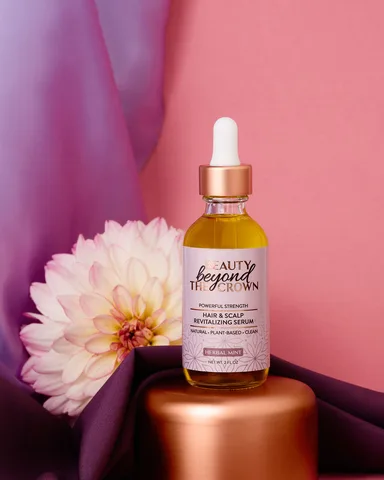
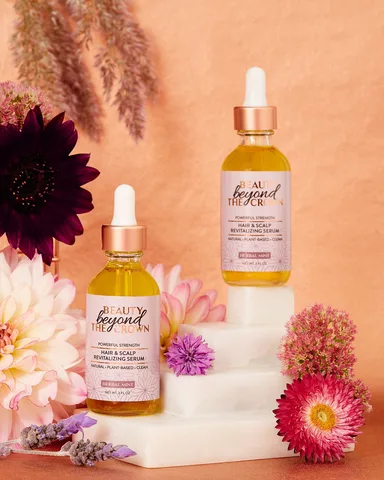
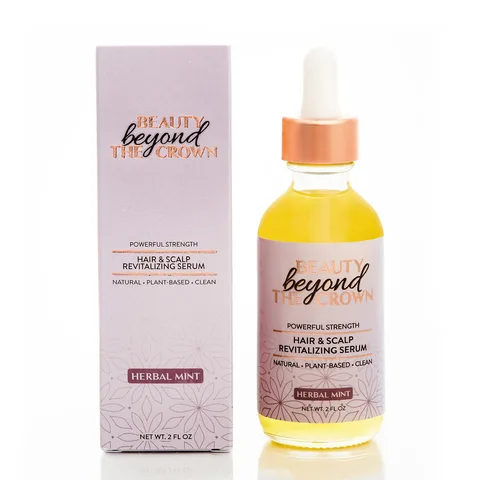
The Hair & Scalp Revitalizing Serum is the main product in the collection. It was made to be a regular, helpful tool for keeping your scalp healthy. Beauty Beyond the Crown® is all about patience, knowledge, and long-term care instead of quick remedies. The Hair & Scalp Revitalizing Serum embodies these principles. This method was made to fit real life, because consistency is what matters.
What Sets the Formula Apart?
This combination is more about balance than overwhelm. Oils like jojoba, castor, pumpkin seed, and grape seed help keep hair strong and moist. Rosemary, peppermint, thyme, and cedarwood help blood flow and clear up the scalp. Green tea, elderberry, and burdock root are examples of botanical extracts that contribute antioxidant and calming effects.
Benefits You Can Actually Feel
The Hair & Scalp Revitalizing Serum typically gives you changes you can feel before you see them if you use it regularly. Users often say that their scalps feel calmer, their irritation goes down, and they shed less hair. Over time, many say their hair feels stronger, shinier, fuller, and healthier. Everyone’s progress looks different — and that’s okay.
Made for Different Hair Textures
Curly, coily, and coarse hair types usually need more nutrients without feeling heavy. This serum was made to work with natural textures, braids, locs, and protective styles. It fits into wash day routines, midweek refreshes, or therapeutic scalp massages without interfering with other products.
Beauty That Is Clean Without Compromise
The formula is made in the US and does not contain parabens, sulfates, silicones, mineral oil, petroleum, phthalates, formaldehyde, soy, or gluten. It contains no GMOs and is cruelty-free — supporting ethical, effective wellness.
How to Use It Without Overthinking
Shake well. Apply a few drops to desired areas and massage for at least five minutes, three to four times per week. For best results, use daily. Store in a cool, dry place.
Voices of Customers That Matter
Customers share stories of renewed confidence. Some describe calmer scalps, reduced inflammation, and visible new growth along hairlines. Many appreciate how easily it fits into busy routines.
Confidence That Goes Beyond the Mirror
Emotional healing matters as much as hair restoration. Feeling informed, supported, and seen can boost confidence even before physical results appear.
Education as a Long-Term Goal
The mission includes education on hair loss, stress management, nutrition, and lifestyle balance — empowering women to make informed health decisions.
Making Your Own Definition of Beauty
There is no single way to express beauty — natural hair, straight styles, head wraps, wigs, or a bare scalp. Confidence requires no permission.
The Woman Who Started the Mission
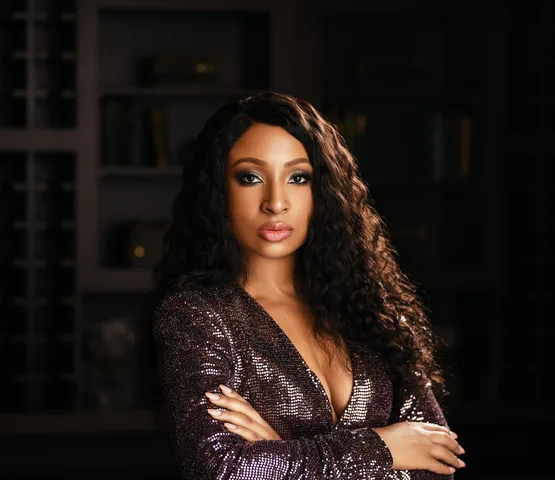
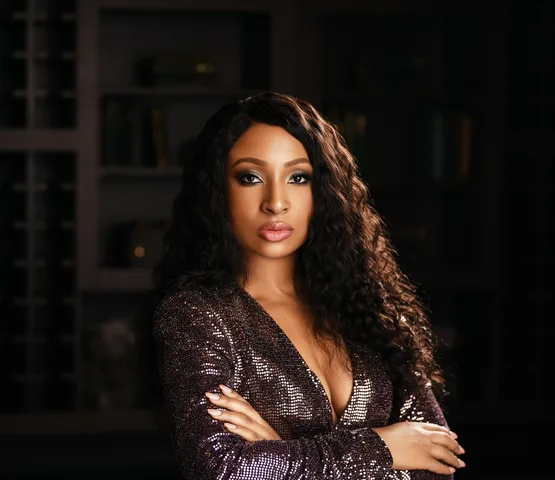
Cherlyn Hayes turned her personal journey into purpose. Originally from Dallas and now living in the DC metro area, her passion for alopecia education, wellness, and self-care continues guiding the brand.
Resilience as a Way of Life
Resilience means choosing care over criticism — drinking water, setting boundaries, resting when needed, and honoring your pace.
Looking Ahead with Purpose
Hair loss does not define your future. With education, compassion, and clean care, you can move forward confidently.
Outside of the Crown
This journey is about reclaiming identity, wellness, and inner beauty. You deserve honesty, hope, and support — because beauty goes beyond the crown.
[/restrict]