
Matcha and maple make an interesting pairing. The matcha brings its earthy bitterness first, followed by the softer sweetness of maple, a combination that can feel oddly familiar despite bringing together two very different food traditions. Maple calls to mind pancakes, breakfast tables and the uncomplicated sweetness of syrup, while matcha carries associations of green tea and Japanese food culture. The maple softens the matcha without hiding it.
Food does this surprisingly often. A particular sweetness can bring back something eaten as a child, while the smell of toasted sesame or warm bread can suddenly recall a kitchen, a holiday or a person.
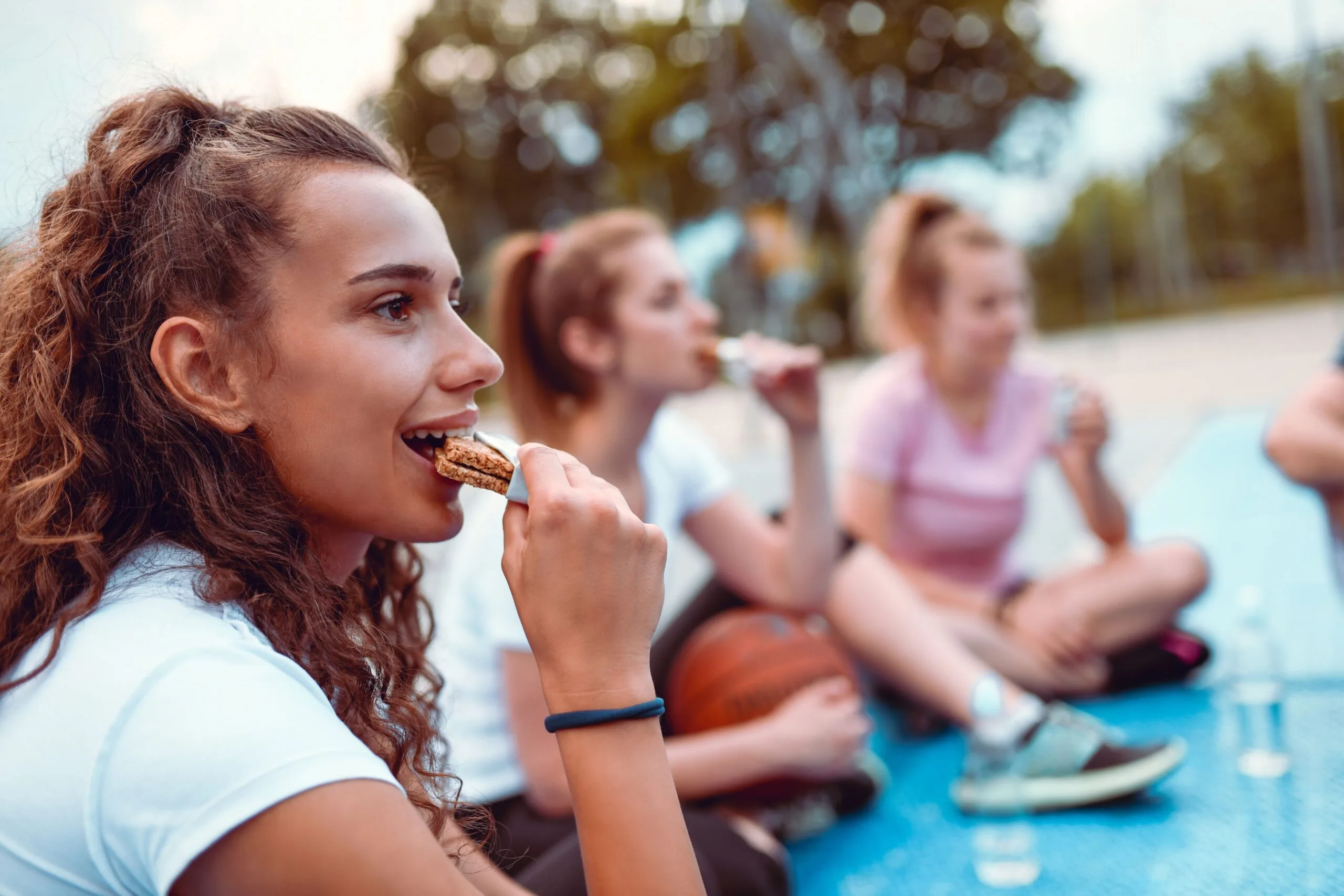
That kind of response is not usually what comes to mind when protein bars are discussed. They are generally considered in practical terms: how much protein they contain, how much fiber they offer, whether they fit into a bag, a desk drawer or a gym tote. Taste matters, but it is often treated as one consideration among many rather than the thing that makes someone want to eat the bar again.

Where It All Began
The original question came from AYAN’s founder, Allan Li. At the time, his girlfriend was training for her Pilates instructor certification and eating plenty of protein along the way. At the same time, her interest in matcha was growing. Allan began wondering why the flavor wasn’t appearing more often in protein bars, and the question stayed with him.
A quick look at the market showed that matcha protein bars already existed. For someone without a culinary background, that might have been the end of the search. But the founder was a chef, and he approached the idea from a different angle. Rather than asking how to make another protein bar with matcha, he began thinking about how the format itself could be treated more like food: something built around flavor, texture and combinations that people would actually remember.
In 2022, he put the thought into his notes app as “Asian American Flavor Bar.” He had the idea, but there wasn’t much time to do anything with it. New York City Michelin kitchens had been consuming most of his attention, with six- or seven-day working weeks and days that could stretch beyond 10 hours. There was little room left for an idea that had no immediate deadline.
That changed by 2024, when he moved into a hotel environment that gave him more balance and, with it, some space to think beyond the demands of the kitchen. The old note was still there. This time, there was enough room to do something with it.
What emerged was not simply a matcha protein bar. The question turned out to be bigger than matcha: what might happen if a chef approached a functional snack with the same attention normally given to a dish? For AYAN, that meant looking toward Asian American food culture, distinctive flavors and the memories they can carry.
Taste Still Matters
A protein bar can tick all the nutritional boxes and still be forgettable. It can contain plenty of protein and fiber, fit neatly into the day’s calories and still be something nobody particularly wants to eat twice.
Protein bars that actually taste good are a different proposition. Nutritional information can explain what a bar provides; flavor is what can make someone want it again.
Allan’s background as a chef changes the way the bars are approached. Rather than treating taste as something to be worked around, the bars give flavor and texture the same consideration as their nutritional composition. The crispness of the protein layer, the balance between sweetness and bitterness, and the way the flavors meet all shape the bite.
For something eaten between meals, texture and flavor can be the difference between a bar disappearing from the cupboard and sitting there for months.
What to Look for in a Protein Bar
The protein number is usually the first thing people notice on a bar. It isn’t necessarily the thing they’ll remember. A label can tell someone how much protein, fiber or added sugar is in the wrapper, but it can’t tell them whether the bar will be dry, overly sweet or pleasant to eat. That part only becomes apparent with the first bite.
A bar can contain plenty of protein and still be difficult to enjoy if it is excessively dense, dry or overly sweet. A crisp layer against a softer center can make a surprising difference. So can a little contrast instead of one uniform, dense bite.
A bar doesn’t have to be intensely sweet to be enjoyable. A little bitterness, some acidity, toasted nuts or a fruit note can give the flavor somewhere to go. Matcha with maple has one kind of tension; strawberry with yuzu has another.
The label tells one part of the story. The first bite tells the rest.

Where Asian and American nostalgia meet
The Matcha Maple puts that idea directly into the bite. Maple carries an immediate sense of familiarity, bringing to mind pancakes, breakfast tables and the uncomplicated sweetness of syrup. Matcha brings an earthy bitterness that changes the character of the sweetness.
AYAN’s MATCHA MAPLE bar combines the two with apea protein crisp and a matcha-maple layer, so the bite has some texture as well as the contrast between bitter and sweet. The result is a 150-calorie bar with 12g of plant-based protein, 8g of fiber and 2g of added sugar from natural, non-refined maple sugar. Real maple provides the sweetness, while the base includes organic pea protein, organic almond butter, organic date paste and organic cassava root. The maple doesn’t drown out the matcha, and the matcha keeps the maple from becoming cloying.

The STRAWBERRY YUZU is brighter. Strawberry has the sweetness of summer fruit and childhood treats; yuzu cuts through it with a sharper citrus note.
The Strawberry Yuzu pairs its flavor layer with the same pea protein crisp, while providing 12g of plant-based protein and 8g of fiber in 150 calories. It contains 0g of added sugar and no refined sugars, with a base made from ingredients including organic pea protein, organic almond butter, organic date paste and organic cassava root.
The strawberry arrives first, then the yuzu comes through.

When Food Gets It Right
A good snack can provide protein and fiber, fit easily into a busy day, and still be something that is chosen because it tastes good.
Matcha and maple are not combined simply to make a functional snack seem more interesting. The bitterness of the matcha gives the maple somewhere to go, where something earthy and slightly bitter meets something warm and sweet. Strawberry and Yuzu follow the same instinct. The fruitiness of strawberry allows room for the floral, aromatic yuzu to shine.
A protein bar still has to do what a protein bar is supposed to do. But when the last taste is earthy matcha, soft maple, fruity strawberry, or that sharp lift of yuzu, there is something else left behind once the wrapper is gone!