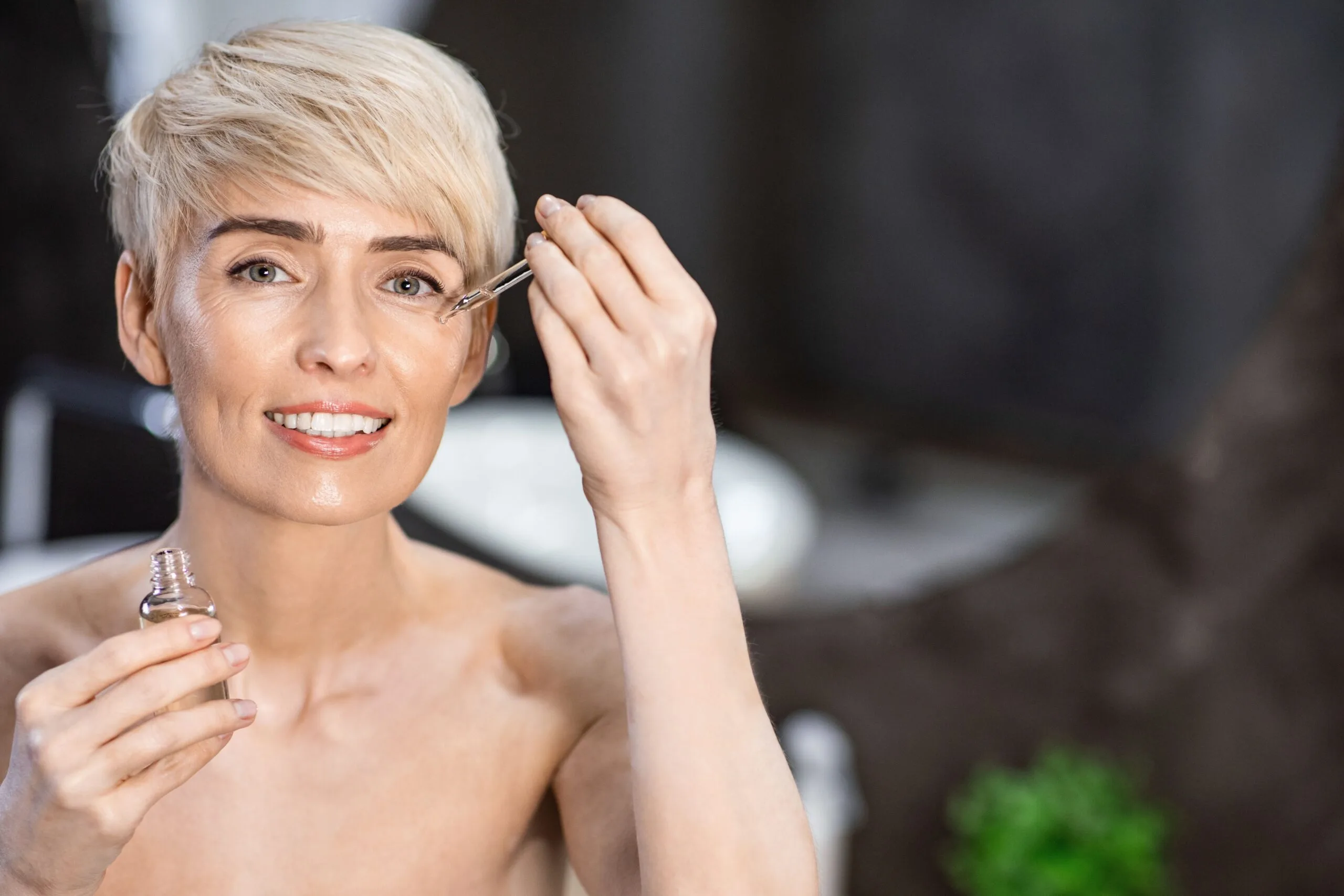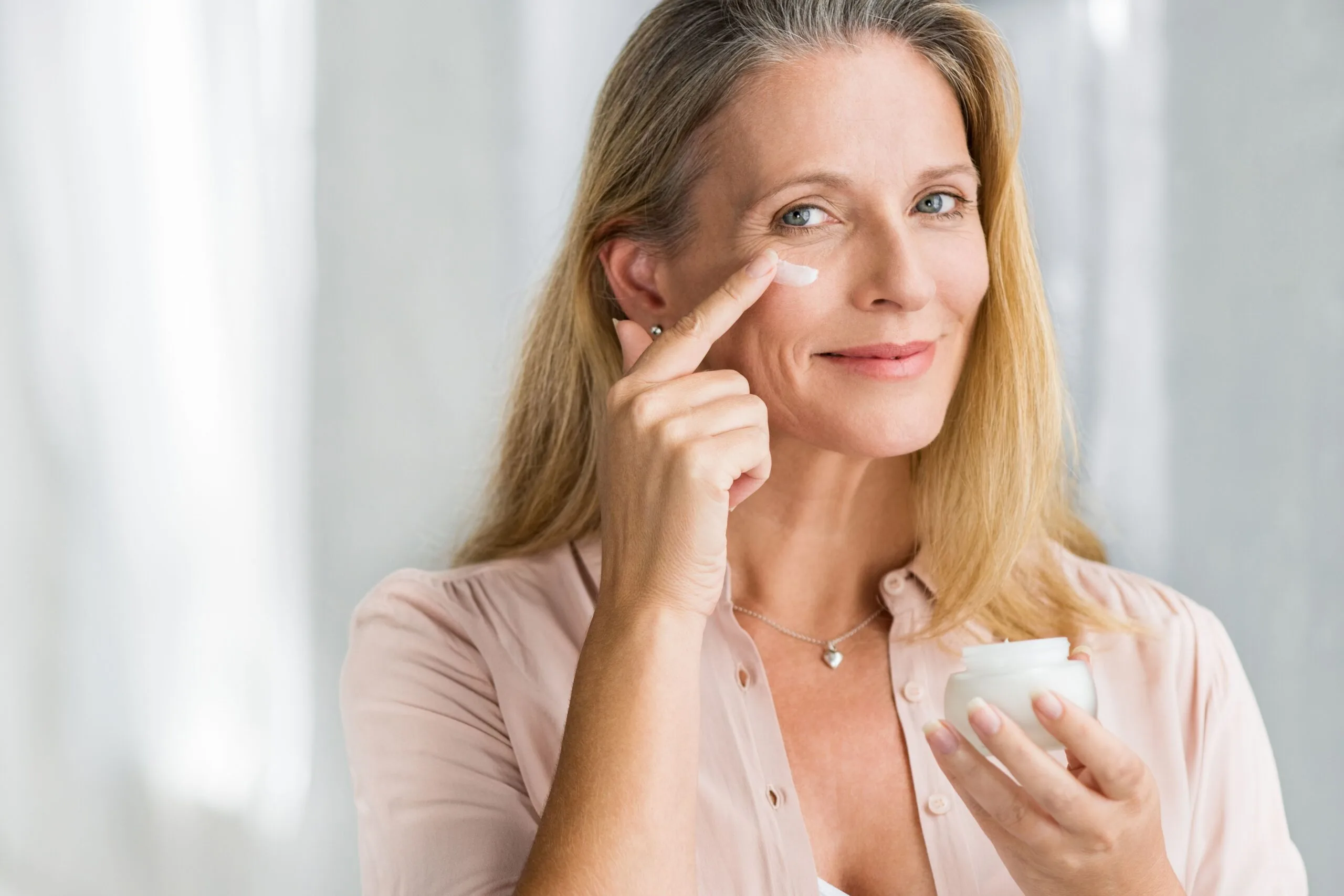

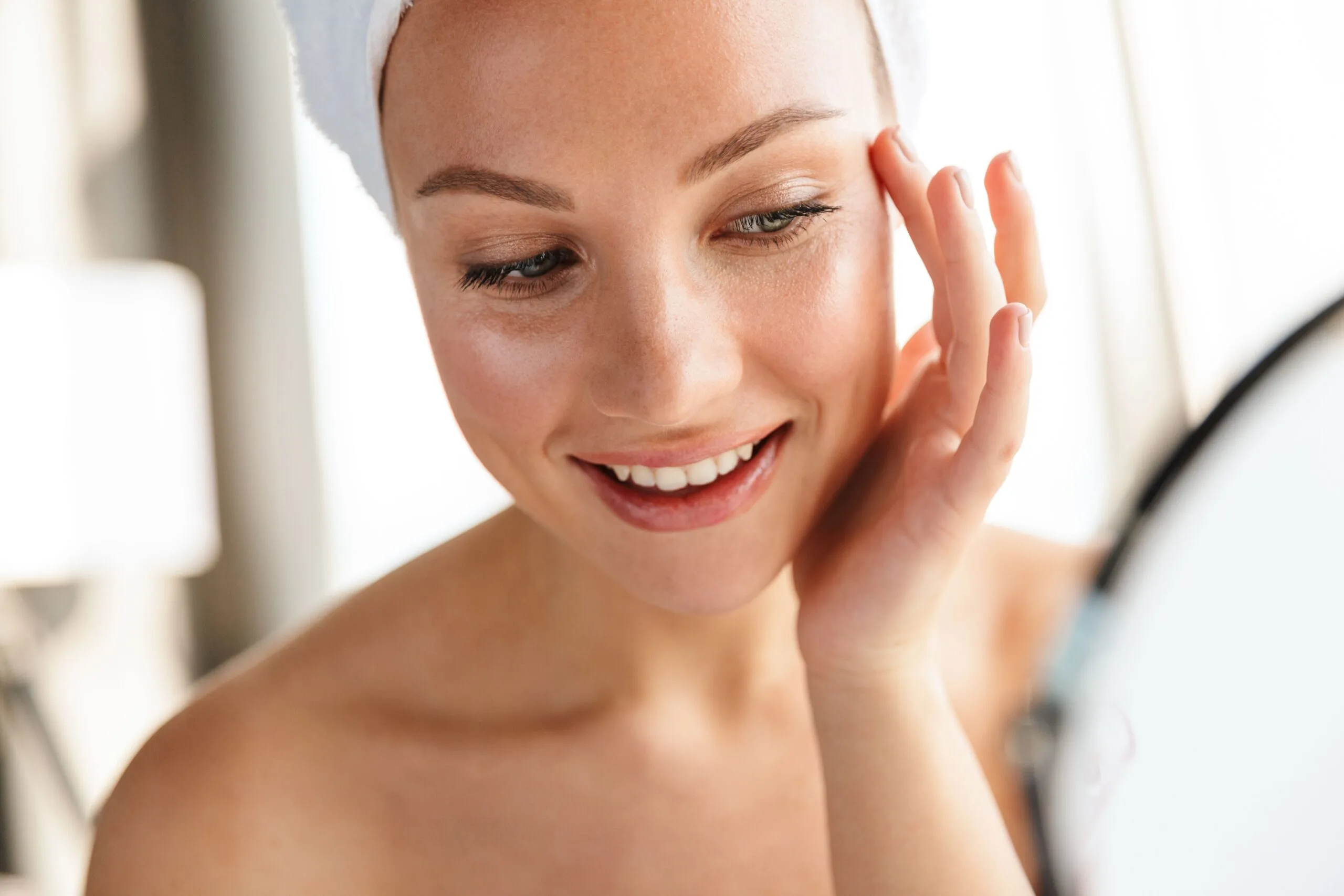
A bathroom shelf rarely becomes crowded all at once. A cleanser appears, then a serum, then something for the area around the eyes. A jar is added because its texture feels better in winter; another bottle stays because it was too expensive to throw away. Before long, the shelf has its own small geography, with products arranged according to what they are supposed to do and when they are supposed to be used.
Among all those carefully labelled bottles, there is often one product that gets reached for without much thought. A balm. A cream. Something made from a handful of familiar materials that does not require much explanation before it is pressed into the skin.
Modern formulations can contain an impressive range of acids, peptides, extracts, oils and other carefully selected ingredients, each with a particular role. At the same time, there has been a renewed curiosity about substances that have been used in personal care for generations: fats, waxes, botanical oils and other ingredients that feel less removed from the physical world they came from.
Traditional ingredients are finding their way into contemporary skincare in forms that sit comfortably beside modern serums and cleansers. Tallow, beeswax, jojoba oil and botanical oils are appearing in balms and creams made for present-day routines.

Wellness Doesn’t Stop at the Dinner Table
For Melaina, the founder of Sun & Honey Tallow Skincare, the journey began with loss.
She lost her mother to cancer while she was still in her twenties. As she entered her forties, she was forced to reconsider her relationship with wellness as well as the everyday choices that she made for herself.
She eventually adopted a paleo lifestyle, a shift that made her more attentive to the ingredients entering her daily life.

As she became more aware of the food she ate, that same thinking began to extend to the products she used on her skin.
Ingredients are often easier to identify in food than in skincare. A person may know exactly what has gone into a morning smoothie while giving little thought to the ingredients in a moisturizer used every day. A skincare routine can become complicated quickly. Acids, peptides, oils, retinoids, extracts, ceramides and other specialized ingredients can fill product labels, while the practical purpose of a moisturizer may remain remarkably simple: helping skin feel comfortable and conditioned.
The arrangement itself can become surprisingly complicated. A moisturizer sits beside a serum, which sits beside an exfoliant, which sits beside something intended for a particular area of the face. The products may all have a purpose, but using them can still involve a series of small decisions.
That is where Sun & Honey Skincare begins. It was created using traditional ingredients such as grass-fed beef tallow, castor oil, beeswax and other botanicals.
A favorite hand cream might sit beside a bed, while the same lip balm might be reached for before getting out of the car.
The Skin Is Not Just a Blank Canvas
That interest in simpler formulations sits alongside a more detailed understanding of the skin barrier.
The skin is the body’s outermost barrier and plays a vital role in maintaining the skin’s structure and moisture balance. A review published in Dermatology and Therapy examined the skin barrier and moisturization, including how different types of moisturizers work. The review suggests that moisturizers may work through different mechanisms, including emollients that can help soften the outer layer of skin and occlusive ingredients that work to reduce water loss. [Study link]
The research surrounding moisturization and formulation is broad, however, and does not serve as proof for how a finished product will work. Formulation, concentration, individual skin characteristics and consistent use can all influence the results a person experiences.

What the Texture Can Tell You
Texture is one of the simplest ways to understand what a skincare product is likely to do on the skin. A balm that feels dense and leaves a noticeable film is behaving differently from a lightweight lotion that disappears within seconds. Neither texture is automatically better; they simply suit different moments.
For drier skin or cooler weather, a richer product may feel more comfortable, particularly when the skin is exposed to dry air or frequent washing. Lighter formulations can make more sense when a product needs to disappear quickly beneath clothing, makeup or other layers. The same distinction can matter within a single routine: a heavier balm may be easier to reach for at night, while a lighter moisturizer may feel more practical in the morning.
This is also where ingredient lists become more useful than the promise on the front of a jar. Tallow, beeswax and oils can create a very different experience from a water-based lotion, and the presence of an ingredient does not tell the whole story. The proportions, formulation and finished texture matter too.
For anyone considering a traditional ingredient product, the question can therefore be quite ordinary: Does the texture suit the way the product will actually be used? A balm that feels too heavy for the face may work comfortably on dry hands or elbows. A product that feels ideal in winter may be less appealing in humid weather. A sunscreen still needs to provide its stated level of protection, regardless of how traditional its other ingredients may be.
A familiar ingredient may attract attention, but the jar still has to fit the shelf, the season and the routine.
The Comeback of a Golden Oldie
Tallow is central to the formulation of several Sun & Honey products, including the Restoration Balm and Tallow Sunscreen.
The Sun & Honey Restoration Balm brings together tallow, castor oil, jojoba, rosehip oil and beeswax, along with lavender and sweet orange essential oils. The balm has a rich texture and can be warmed between the fingers before being pressed into the skin.
The same ingredient philosophy appears in the Sun & Honey Tallow Sunscreen, although its purpose is different. The Sun & Honey Tallow Sunscreen features zinc oxide with grass-fed tallow, olive oil, shea butter, beeswax, jojoba esters, propolis and vitamin E in a fragrance-free mineral SPF 30 formulation.
The American Academy of Dermatology recommends broad-spectrum, water-resistant sunscreen with an SPF of 30 or higher as part of everyday sun protection. [Study link]
A bathroom shelf does not have to become less crowded for one familiar product to stand out. Sometimes, it is simply the product whose purpose is easiest to understand.