
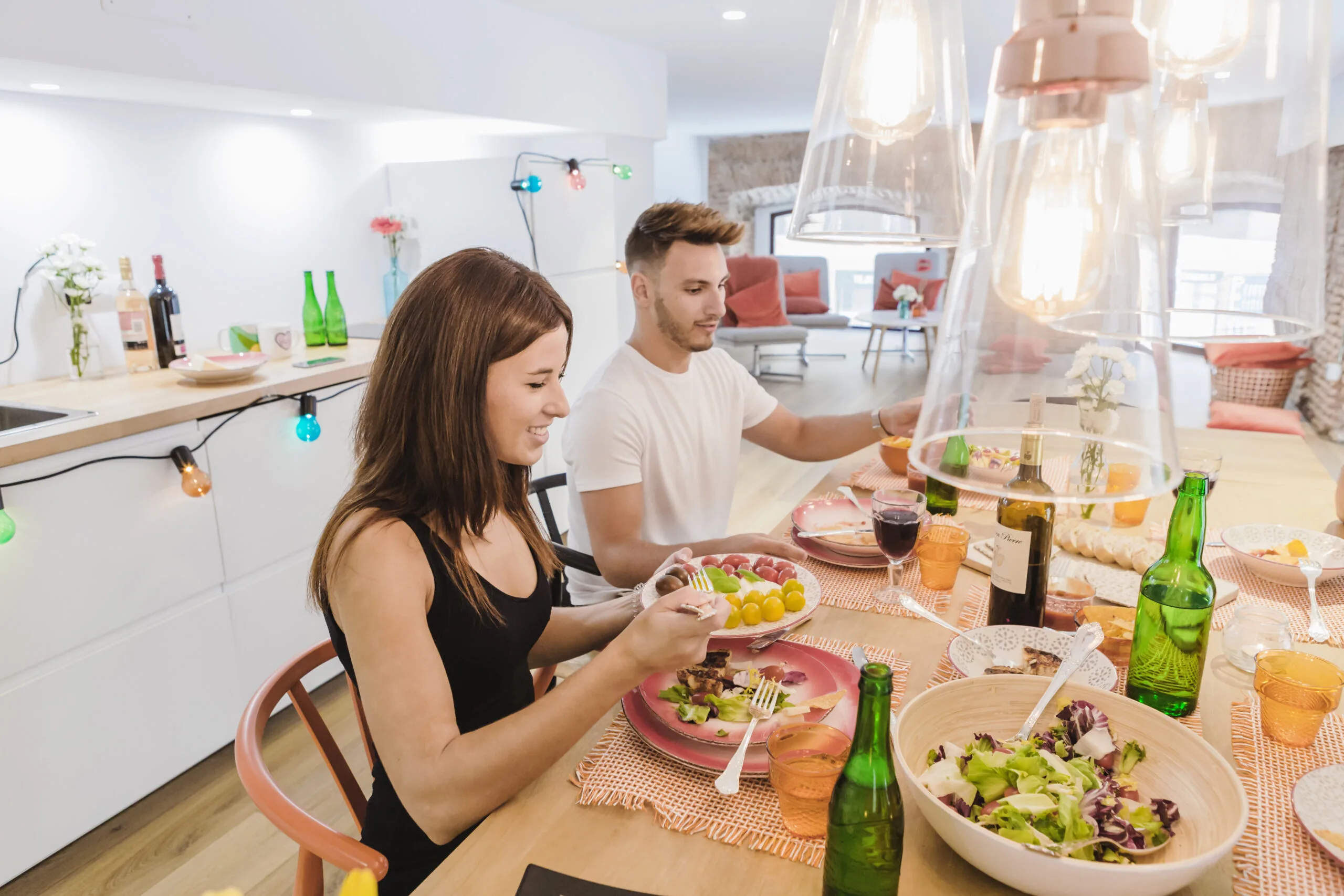
The salad was already on the table when someone noticed the dressing was still in the refrigerator. It had been one of those meals assembled rather than cooked. Leaves from the bottom of the produce drawer. A few roasted vegetables left over from the night before and some chickpeas with herbs that were beginning to look as though they had one good day left in them.
Nobody complained about it. It was healthy and colorful. It had all the familiar signs of a meal someone had made with good intentions. The conversation had moved on. Plates were being filled without much enthusiasm. One person added salt, while another reached for pepper.
Then the dressing appeared. A little over the greens and roasted vegetables. Someone mixed it through with a fork.
The difference was immediate. The vegetables simply tasted more like themselves and the herbs suddenly made sense. People took another bite, and then another. It was a small thing, almost too small to notice, but there was something worth noticing about it.

When Eating Well Still Needs to Taste Good
Somewhere along the way, healthy eating took on a seriousness that food was never meant to carry. The salad became an obligation and vegetables became something to “get in.” A simple lunch could start to feel like a test of discipline.
Mediterranean cooking, for instance, has traditionally relied on olive oil, herbs, spices, vegetables, legumes, whole grains and other flavorful ingredients because these were foods that made sense culturally, seasonally and at the table.
Modern research has found associations between Mediterranean-style eating patterns and positive health outcomes, particularly cardiovascular health. But its strength isn’t one magical ingredient. It’s that the pattern is flavorful enough to live with, day after day.
Perhaps the more useful question is not how to make healthy eating stricter, but how to make healthy food more enjoyable. Flavor has always been part of the answer.


The Familiar Brightness of Lemon and Garlic
Lemon and garlic have survived every food trend because they know how to make other things taste better. Lemon brings brightness. Garlic brings depth. Together, they create the kind of flavor combination that can make something ordinary feel finished.
That is the thinking behind Lemonette’s Lemon Garlic, its flagship flavor. It works naturally as a healthy salad dressing, but its usefulness extends beyond cold greens. Lemonette also positions it as a marinade for chicken and fish and as a finishing sauce for cooked foods.
The most useful things in a kitchen are often the things that do several jobs. A bottle that can dress tomorrow’s lunch, brighten tonight’s roasted vegetables and give leftover chicken a reason to become dinner again is not asking you to cook differently. It is simply making the food you already have a little easier to enjoy.
Garlic does not have to carry exaggerated wellness promises to have a place in a nourishing kitchen. While garlic has been widely studied for potential health effects, evidence varies depending on the specific claim, preparation and form. Enjoying it as part of food is a much simpler proposition.
Then There Is Cumin
For anyone looking for healthy ways to add flavor to vegetables, spices like cumin offer an easy place to start. Its earthy, aromatic character can make roasted carrots, cauliflower, sweet potatoes or chickpeas feel entirely different from the night before.
Lemonette’s Zesty Cumin gives the spice a starring role in a versatile dressing and sauce. It can bring warmth to chickpeas, grains, greens or grilled foods without requiring a complicated recipe.
Lemonette notes that Zesty Cumin was ranked among the top salad dressings for promoting the keto diet by Women’s Health, although the broader appeal is much less dependent on following any particular eating plan. You can be keto, vegan, follow a Mediterranean-style diet or you can simply be standing in front of the refrigerator wondering what to do with the vegetables you bought on Sunday.

The Quiet Power of Making the Better Choice Easier
You should eat something nourishing, but you are tired. The vegetables are there, but they look uninspiring. You could cook, but you have twenty minutes before everyone starts asking what is for dinner. Sometimes, the answer isn’t another recipe. It is finding easy ways to make vegetables taste better with what is already in the kitchen.
Small conveniences can help cooking remain possible. A dressing can be one of those things. It can turn leftover grains into a bowl or give beans some personality. It can make a pile of greens feel complete or add brightness to fish.
We do not necessarily need more rules about what to eat. Sometimes we need better reasons to keep eating the foods we already know are good for us.
A Bottle in the Refrigerator, and a Bigger Idea
The brand is woman-owned and operated and makes its dressings in small batches in California. Its formulas are designed to fit into a range of dietary lifestyles, including vegan, plant-based, gluten-free, keto and Mediterranean approaches. The company also donates a portion of proceeds to Alex’s Lemonade Stand Foundation for Childhood Cancer.
None of those details changes what is happening on the plate, but they contribute to the larger story of a food company trying to make something useful without making it unnecessarily complicated.
Maybe We Have Been Overcomplicating Nourishment
Most people are not starting every morning with a blank slate. They are working with what is already in the refrigerator, what fits into the evening, what their families will eat, what they can afford, and how much energy they have left at the end of the day.
Within those realities, small choices become meaningful. Buying vegetables and actually finding a way to enjoy them. Cooking enough dinner to have leftovers. Keeping a dressing that can rescue a tired-looking bowl. Learning which flavors make simple food feel satisfying.

Back to the Salad
Later, the bowl was nearly empty. There was still a little dressing left on the bottom, enough to catch a stray chickpea, a piece of roasted vegetable, or a torn leaf of parsley. Everybody was talking about the food. Someone asked what was in the dressing. Someone else went back to the refrigerator to look at the bottle.
It was such an ordinary ending to an ordinary meal that it would have been easy to miss, but perhaps that is where a more grounded idea of wellness lives.
Dinner had, in its own quiet way, already been taken care of. All it needed was a little something from the refrigerator.