

The Silent Epidemic: When Pain Persists Without a Cause
There’s a moment, familiar to far too many when pain outlasts the injury that caused it—or appears for no clear reason at all. It lingers. It grows. It permeates daily life, transforming routine tasks into challenging endeavors. For millions, chronic pain is more than a symptom. It’s a constant, invisible weight. And for years, the best available advice was to “manage it.” But what if managing pain isn’t the only option anymore? What if a complete recovery is possible?
That’s the question thousands have started asking after discovering a breakthrough in neuroscience: that many chronic pain conditions are not rooted in the body, but in the brain. Moreover, reversing these conditions is possible.
The Brain as the Culprit—and the Cure
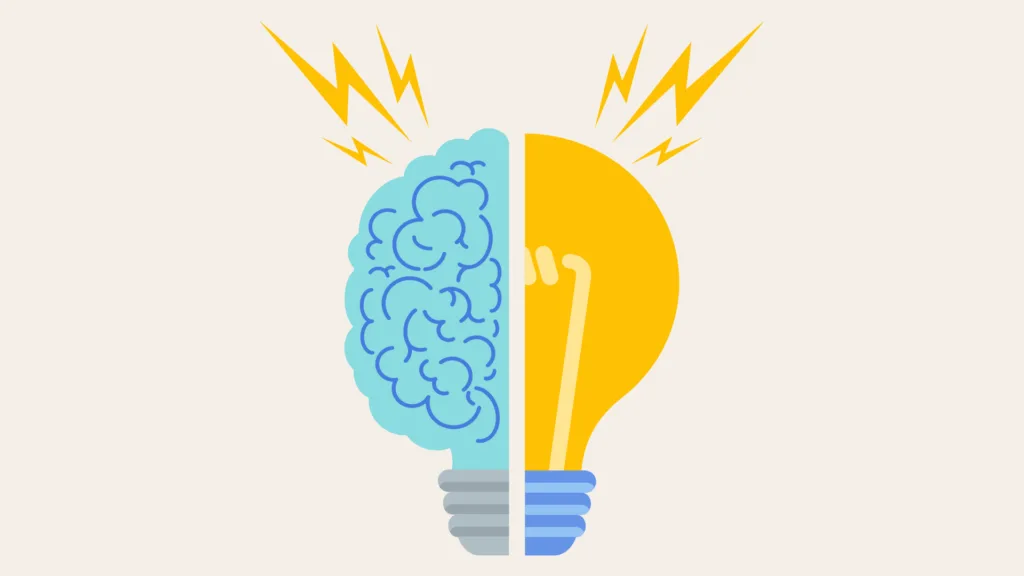
At first glance, it’s a difficult concept to grasp: pain that is real, intense, and debilitating… without any structural cause in the body. However, recent brain imaging studies indicate that the brain itself can generate pain signals in the absence of physical injury. Scientists refer to this phenomenon as “neuroplastic pain,” where the brain interprets harmless signals as potentially dangerous.
This doesn’t mean the pain is imaginary. The pain is equally real. However, this implies that the brain is deceiving us. It is possible to unlearn the pain using the same neuroplasticity that created it.
A Paradigm Shift: From Managing Pain to Recovering from It
For decades, pain treatments focused on coping—helping patients endure discomfort rather than eliminating it. Techniques like cognitive behavioral therapy, mindfulness, and acceptance strategies were helpful for some. However, for others, these techniques had minimal impact.
[restrict]The medical and psychological communities are taking notice of a newer, evidence-based method. Instead of just managing symptoms, this approach aims to rewire the brain’s interpretation of pain signals. It instructs the nervous system to cease alerting when there is no genuine threat.
The results? The results of the 1 Hour Introduction – Pain Reprocessing Therapy, were nothing short of life-changing.

The Study That Changed Everything
In a groundbreaking clinical trial published in a leading medical journal, researchers evaluated this brain-based treatment on patients suffering from chronic back pain. The group that received this intervention showed a staggering 98% improvement rate, with two-thirds becoming pain-free or nearly so by the end of the four-week program. These results weren’t just a short-term fluke—many maintained their progress a full year later.
It was a powerful reminder: when the brain changes, so does the body.
A Personal Story: From Despair to Hope
Janine, a 42-year-old former dancer, lived with intense hip pain for nearly a decade. Her MRIs were clear. Her specialists were stumped. “It felt like my body had betrayed me,” she shared. “I tried everything—physical therapy, injections, acupuncture. Nothing lasted.”
When a friend suggested a brain-based approach, she was skeptical. But curiosity won out. She watched a free on-demand introduction—just an hour—and everything clicked. “I cried halfway through,” she said. “It finally made sense. I didn’t feel broken. My brain just needed to feel safe again.”
After completing the immersive training program, Janine felt like herself for the first time in years. “I don’t just have less pain—I have my life back.”
What Makes This Approach Different?
At its core, the method centers on retraining the brain’s pain response. Patients and practitioners alike learn to:
Understand how and why pain becomes chronic
Reframe their relationship to pain using language that signals safety
Practice somatic exercises that calm the nervous system
Reduce fear-based responses that worsen pain over time
Build lasting tools for recovery and relapse prevention
Unlike traditional methods, which often treat the body, this strategy addresses the root cause: a misfiring danger alarm in the brain.
Healing Is Not Just Possible—It’s Teachable
Perhaps the most exciting part of this development is that it’s not limited to a select few specialists. There’s now a fully accredited, four-week Certification Training program designed to train healthcare providers—psychologists, therapists, physicians, physical therapists, and more—in this evidence-backed approach.
The course blends self-paced learning with live interactive sessions, allowing participants to engage deeply with the material and practice techniques in real-time. It’s also approved for continuing education credits, making it a win-win for those wanting to improve their practice and improve outcomes for chronic pain patients.
Participants finish with not only a comprehensive understanding of how to treat brain-based pain but also a community of like-minded professionals and visibility through an exclusive directory.
What Professionals Are Saying
Dr. Alex Wu, a clinical psychologist in San Francisco, shared, “This entirely changed how I approach chronic pain in my patients. I used to feel helpless when nothing seemed to work. Now, I have tools that lead to recovery.”
Physical therapist Leah Moretti said, “The neuroscience behind this training is solid. But what struck me was its humanity. You’re helping people not just move without pain—you’re helping them believe in their bodies again.”
Are You Curious but Cautious? Start with Just an Hour
For anyone who’s intrigued but not ready to dive into a multi-week training, there’s a no-cost, one-hour introductory session available online. It’s taught by a leading researcher in mind-body medicine and outlines how brain-generated pain works, what differentiates pain recovery therapies from pain management ones, and introduces practical tools that introduce practical tools anyone can start using right away.
It’s one of the most accessible ways to explore this revolutionary perspective on pain. And for many, it’s the very first step on the path to healing.
Not Just for Professionals: Help for Patients, Too
Although the certification primarily targets clinicians, individuals living with pain can also receive direct support. Virtual workshops create safe spaces where participants explore their experiences. They share their pain stories, gather personal evidence for recovery, and begin their healing journey. They are using somatic and psychological tools to rewire their brain’s responses. To rewire their brain’s reactions, they are employing psychological techniques.
For those who prefer individualized care, experienced practitioners offer one-on-one support to walk with them through the healing process. Every person is different, and this approach honors that.
Healing Isn’t Linear—But It’s Possible
Chronic pain recovery is not always linear. There are setbacks. Flares. Doubts. But one of the strengths of this brain-based approach is that it normalizes these experiences. It offers tools for navigating setbacks and continuing forward, even when the road feels bumpy.
Participants learn how to “debunk” structural diagnoses that no longer serve them, challenge fear-based thinking, and build new neural pathways centered on safety, resilience, and trust in their bodies.
A New Chapter in Pain Treatment
Science is finally catching up with the profound realization that chronic pain need not always be a permanent condition. With the right understanding, the right tools, and the right support, healing is not only possible—it’s expected.
Unlike many other approaches, this method doesn’t rely on ongoing appointments, expensive procedures, or a lifetime of dependency. It gives patients agency. It gives practitioners confidence. And most importantly, it gives hope.
Frequently Asked Questions
1. What is this treatment, and how does it differ from traditional pain management? This method relies on the knowledge that the brain misinterprets safe signals as dangerous ones, leading to many chronic pain conditions. Unlike traditional approaches that focus on coping, this method aims to fully retrain the brain’s response, leading to long-term recovery—not just relief.
2. How can I become certified in this approach?
There’s a four-week online program for professionals that includes pre-recorded modules and live interactive sessions. It’s fully accredited and provides CEUs or CMEs. Completion also grants access to a referral directory and a supportive professional network.
3. What’s included in the 1-hour introductory course?
The free course defines key differences between pain management and pain recovery therapies, offers practical techniques, and provides insight into the neuroscience behind chronic pain. It’s an accessible and evidence-rich introduction for both professionals and patients.
Real Results, Real Relief
One recent graduate of the program, a family medicine physician, reflected, “I used to refer my chronic pain patients to specialists and hope for the best. Now, I’m helping them heal—not just manage—and it’s been the most rewarding shift of my career.”
Another patient wrote, “I thought I’d tried everything. But the experience made me see my pain in a whole new way. I transitioned from believing I was irreparable to understanding that I could improve.
Join the Revolution
This therapy isn’t just a technique. This movement represents a fresh approach to understanding, treating, and ultimately resolving chronic pain. Whether you’re a provider who wants to expand your toolbox or a patient who’s tired of just coping, there’s a path forward.
Occasionally, the first step is simply understanding that pain doesn’t always mean harm. And with that understanding comes the power to change everything.
For those ready to explore further, the journey begins in just an hour. For those ready to transform their practice—or their life—it continues with a deeper dive into training, connection, and evidence-based healing.
This is because everyone deserves the chance to live pain-free.

Contact Information
Have questions or want to learn more? The dedicated team behind this breakthrough approach is ready to connect. Reach out by email or visit their website and social media channels to stay updated on training dates, workshops, and recovery resources.
This might be the beginning of your pain recovery story.
[/restrict]