
Imagine waking up in the morning to birds chirping, sunlight streaming through your window, and the smell of your favorite coffee brewing. You stretch, take a deep breath, and head to the bathroom to start your day. But wait. Before you grab the toothpaste and brush away the remnants of sleep, what if there was more to this routine than simply brushing for the sake of fresh breath? What if, in that very moment, you could be setting the stage for your overall health and wellness?
This is the transformative power of Elementa Oral Care, a revolutionary approach to dental hygiene that goes beyond just cleaning your teeth. It’s a journey into a new way of thinking about oral health that’s holistic, science-backed, and focused on nourishing your body from the inside out. By leveraging nanotechnology and innovative formulas, Elementa provides a solution that doesn’t just mask problems—it addresses the root causes, providing your mouth with the care and nutrients it needs to thrive.
In this article, we’ll take you on a journey of discovery, showing you how this groundbreaking approach is changing how we think about oral health, starting with the basics: the mouth. Ready to embark on a wellness adventure? Let’s dive in.
The Old Way: Brushing for Fresh Breath and a Clean Smile
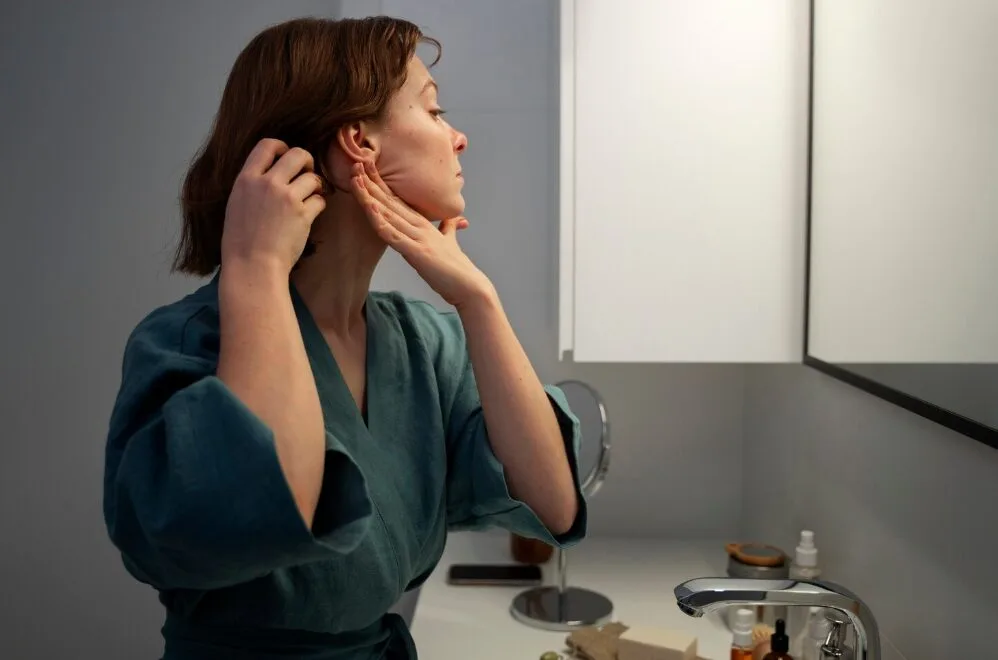
For years, brushing, flossing, and mouthwash have been the standard ways to maintain a healthy smile. We’ve all been there—standing in front of the mirror, brushing for the recommended two minutes, rinsing with mouthwash, and feeling like we’ve done our duty. The goal: fresh breath, a sparkly smile, and no cavities. But here’s the catch—this routine only scratches the surface of what’s truly happening inside our mouths.
Let’s take a moment to think about our mouths, on a deeper level. Beneath the surface of your pearly whites, there’s something called biofilm, an invisible layer that protects the bacteria in your mouth. This biofilm is tricky—it shields harmful bacteria and prevents your mouth from healing naturally. Most traditional oral care products, though effective at cleaning, can’t penetrate this biofilm. As a result, we end up cleaning the surface but leaving the deeper issues unaddressed.
[restrict]That’s where Elementa Oral Care comes in. Unlike conventional oral care products, the brand uses advanced nanotechnology that allows the ingredients to break through this biofilm and get to the root of the problem. Instead of just masking symptoms, Elementa heals and restores balance to your mouth, promoting long-term health, fresh breath, and a stronger smile.
The Difference: Science Meets Wellness
So, what makes Elementa Oral Care different from all the other available products? The secret lies in nanotechnology, which allows the brand to do what no other oral care brand can. Nanotechnology refers to particles that are so small they can penetrate even the toughest barriers, like the biofilm in your mouth. These particles neutralize the pH, break down biofilm, and deliver nutrients directly to your teeth where they’re needed most.
Traditional oral products simply can’t do this. They may freshen your breath or remove some plaque but don’t tackle the root cause of cavities, gum disease, or bad breath. Elementa, on the other hand, goes deeper, delivering bioavailable calcium and xylitol directly to your teeth to promote remineralization, prevent cavities, and protect your enamel.
But there’s more. It doesn’t just target surface-level issues; it supports your body’s natural healing process. When you use Elementa’s products, you’re not just cleaning your teeth—you’re helping your body restore balance to the entire oral microbiome. It’s like giving your mouth the nutrients it needs to thrive.
The Family Bundle: Oral Care for Every Age
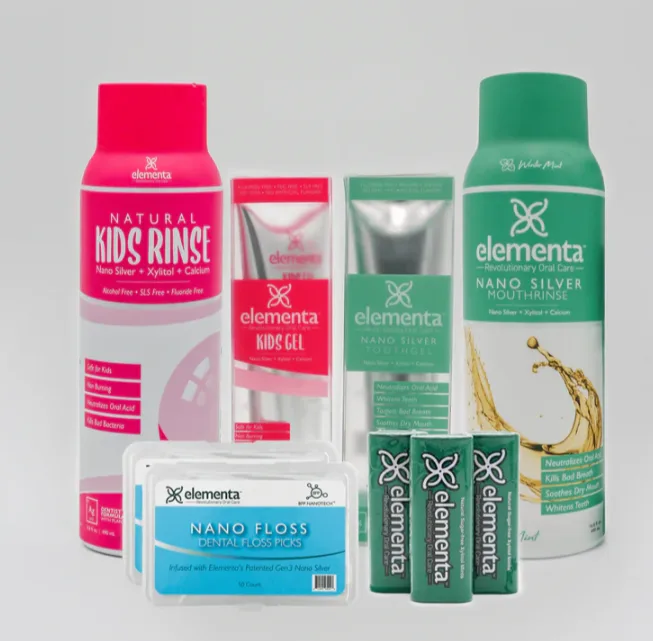
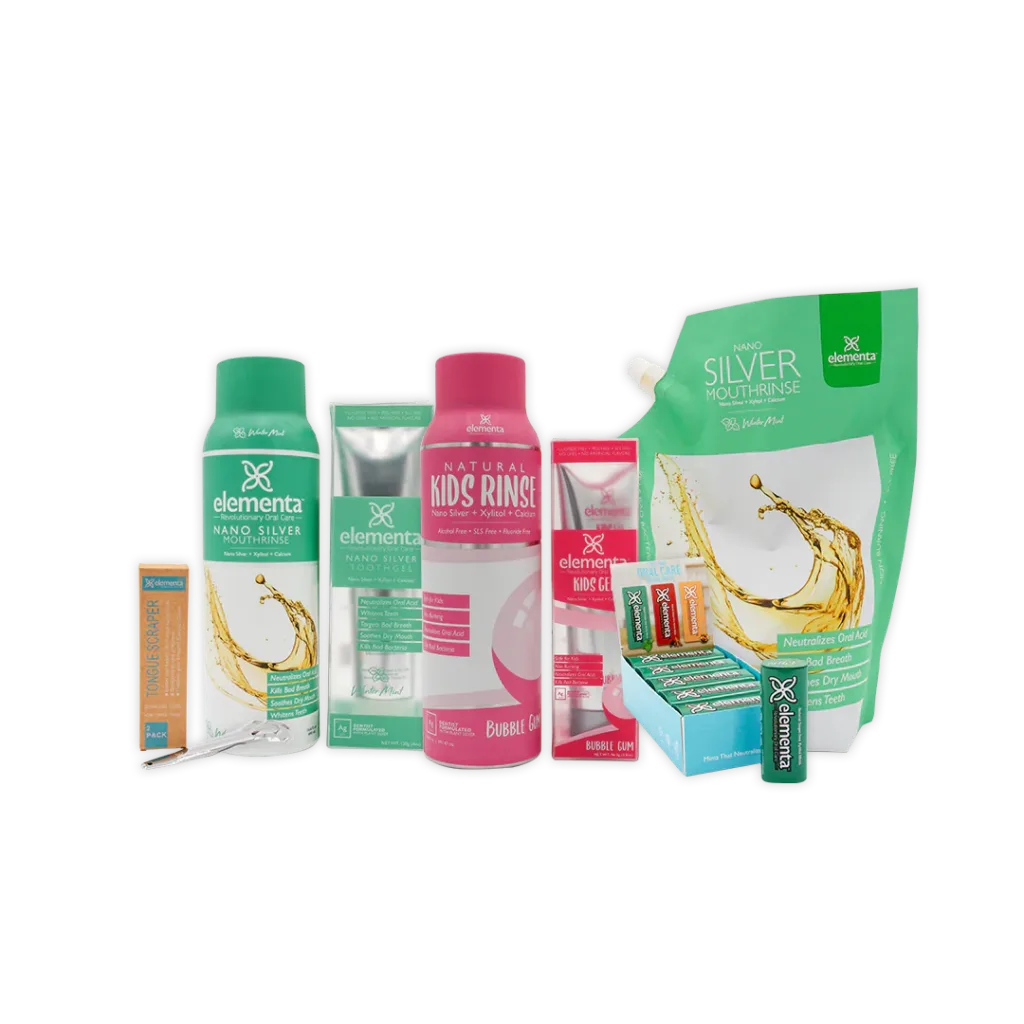
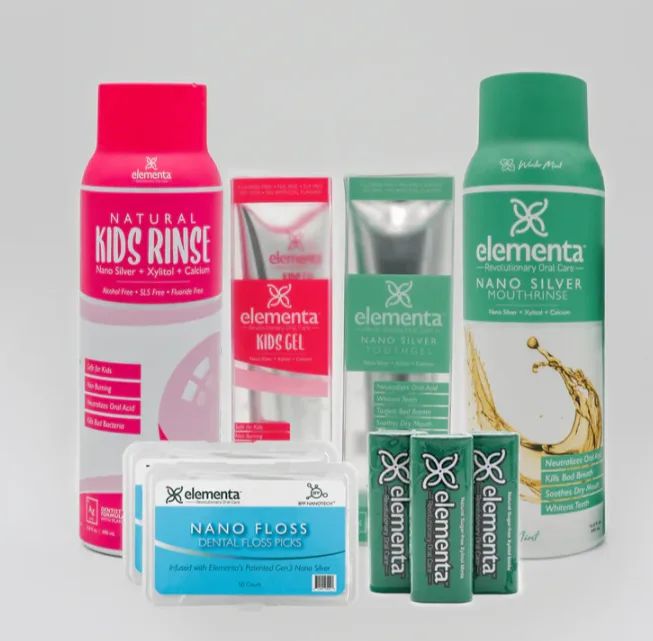
Oral health is important for everyone in the family, but let’s face it—getting everyone on the same page about brushing, flossing, and rinsing can be a challenge. Between kids who resist brushing and adults who are constantly on the go, it’s hard to stay consistent. That’s why the brand created the Family Bundle—an all-in-one solution that’s perfect for families of all sizes.
The Family Bundle is designed to be easy for everyone to use, from toddlers to grandparents. The toothpaste in this bundle is gentle enough for young children, yet powerful enough to protect and remineralize adult teeth. It contains nano-silver particles that penetrate the biofilm, neutralize harmful bacteria, and deliver bioavailable calcium to help strengthen enamel.
For the whole family, the mouthwash is alcohol-free and non-burning, making it perfect for little ones who are just starting to use mouthwash. It’s designed to neutralize harmful bacteria, promote healthy gum tissue, and freshen breath—without any of the harsh chemicals found in traditional mouthwashes.
And let’s not forget the floss. Elementa’s floss is easy to use and designed to reach places your toothbrush and mouthwash can’t. It helps remove plaque and bacteria from between your teeth, where it’s often hardest to reach.
With the Family Bundle, you can be confident that every member of your family is getting the oral care they need to maintain a healthy smile. Plus, the products are all-natural, biocompatible, and safe for every age group.
The Essential Bundle: The No-Fuss Solution for Busy Individuals
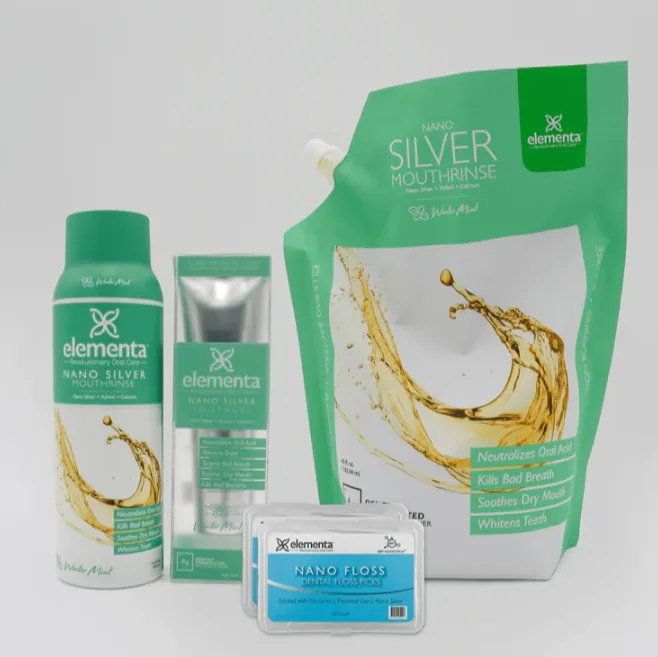
We all have those days when there’s simply no time to fuss over a lengthy oral care routine. Whether you’re running late for work or juggling a million things at once, the last thing you want to do is get bogged down by a complicated mouth-care regimen. Enter the Essential Bundle—a streamlined solution for busy individuals who want effective, high-quality oral care without the extra hassle.
The Essential Bundle includes everything you need for a quick yet effective oral care routine: toothpaste, mouthwash, and floss—all in one convenient package. The toothpaste is powered by nanotechnology to help remineralize your enamel, while the mouthwash neutralizes harmful bacteria and freshens your breath without the burn. The floss is designed to make cleaning between your teeth effortless, ensuring you get the full benefits of a complete oral care routine.
Even on your busiest days, the Essential Bundle ensures that your mouth stays healthy, your breath stays fresh, and your teeth stay protected. It’s the ultimate no-fuss solution for individuals who want to take care of their mouths without adding extra time to their already-packed schedules.
Beyond Fresh Breath: Oral Health and Overall Wellness
We’ve all been told that brushing and flossing are important for maintaining a beautiful smile, but what if your oral health had a much bigger impact on your overall well-being? The truth is, that oral health is closely linked to your systemic health—meaning your mouth’s health can affect your entire body.
Research has shown that poor oral health can lead to a host of systemic health problems, including heart disease, diabetes, and even Alzheimer’s disease. That’s why Elementa takes a holistic approach to oral care. When you use Elementa products, you’re not just improving your oral health—you’re supporting your body’s natural healing processes and promoting overall wellness.
Elementa’s commitment to using natural, safe, and effective ingredients means that you’re not putting harmful chemicals into your body. The nano-silver particles used in Elementa’s products are biocompatible and safe for long-term use. This makes Elementa the perfect choice for anyone looking to take care of their mouth—and their body—without compromising on health.
The Future of Oral Health: A Movement, Not Just a Product
Elementa isn’t just a product—it’s part of a larger movement to revolutionize how we approach oral health. The brand’s mission is simple: to create oral care solutions that are not only effective but also respectful of the natural processes that keep our bodies balanced.
By combining cutting-edge science with natural ingredients and sustainable practices, Elementa is leading the charge in creating a new standard for oral health. This is more than just brushing your teeth—it’s creating a healthier future, one smile at a time.
Elementa is changing the narrative about oral care, and it’s time for you to join the movement. Whether you’re looking for a solution for your whole family or a streamlined routine for yourself, Elementa has the tools you need to take your oral health to the next level.

Start Your Journey Today
So, what are you waiting for? It’s time to change the way you think about oral health. With Elementa Oral Care, you’re not just brushing your teeth—you’re supporting your body’s natural healing process, strengthening your smile, and promoting your overall wellness.
Whether you choose the Family Bundle to support your whole family or the Essential Bundle for your busy routine, Elementa is here to help you take control of your health, one brush at a time. Say goodbye to outdated oral care products and embrace the future of oral hygiene with Elementa.
Your journey to a healthier, brighter smile begins now. Are you ready?
[/restrict]