
Women have a remarkable way of preparing for everyone else’s milestones. They prepare children for their first day of school. They encourage partners considering career changes. Women make sure that no holiday, birthday, or graduation goes uncelebrated. Women become experts at anticipating what comes next for everybody else, but when their own bodies enter entirely new seasons, many discover they were never given the same roadmap.
Pregnancy arrives with a thousand opinions but surprisingly little practical guidance. Perimenopause is often mistaken for stress, aging, or simply “being busy.” Menopause follows with another avalanche of conflicting advice, much of it still based on outdated ideas about exercise and health.
Throughout all the discussions society has about women’s bodies, very few prepare women for the fact that their physiology is ever-changing.

Biology Was Built for Adaptation
Fitness has celebrated consistency as if it were the only rule to follow. You are encouraged to never skip a session, to push harder than you think you can, keep your discipline in check, and above all else, keep doing the same workout routine because that’s what has always worked. The problem with that is it doesn’t accommodate your changing body.
A twenty-five-year-old body isn’t operating under the same hormonal environment as a forty-eight-year-old body. Likewise, a woman in her second trimester isn’t experiencing the same physical demands she had eight weeks earlier. Surprisingly, many exercise programs still behave as though women exist in one physiological state regardless of age.
Exercise scientists are encouraging approaches that acknowledge hormonal transitions. Women going through pregnancy, perimenopause, and menopause all require more individualized training considerations.
The Skill Nobody Talks About
The ability to adapt isn’t weakness. Think about elite athletes. No Olympic coach expects the same training load every week of the year. Seasons change, recovery changes, and performance cycles evolve.
With this in mind, it is ironic that women expect themselves to perform at exactly the same level through pregnancy, postpartum recovery, hormonal shifts, sleep disruption, and menopause.
Pregnancy Isn’t Pressing Pause
One of the most persistent myths surrounding pregnancy is that strength somehow becomes dangerous. For generations, many women were encouraged to reduce activity or simply stop training altogether.
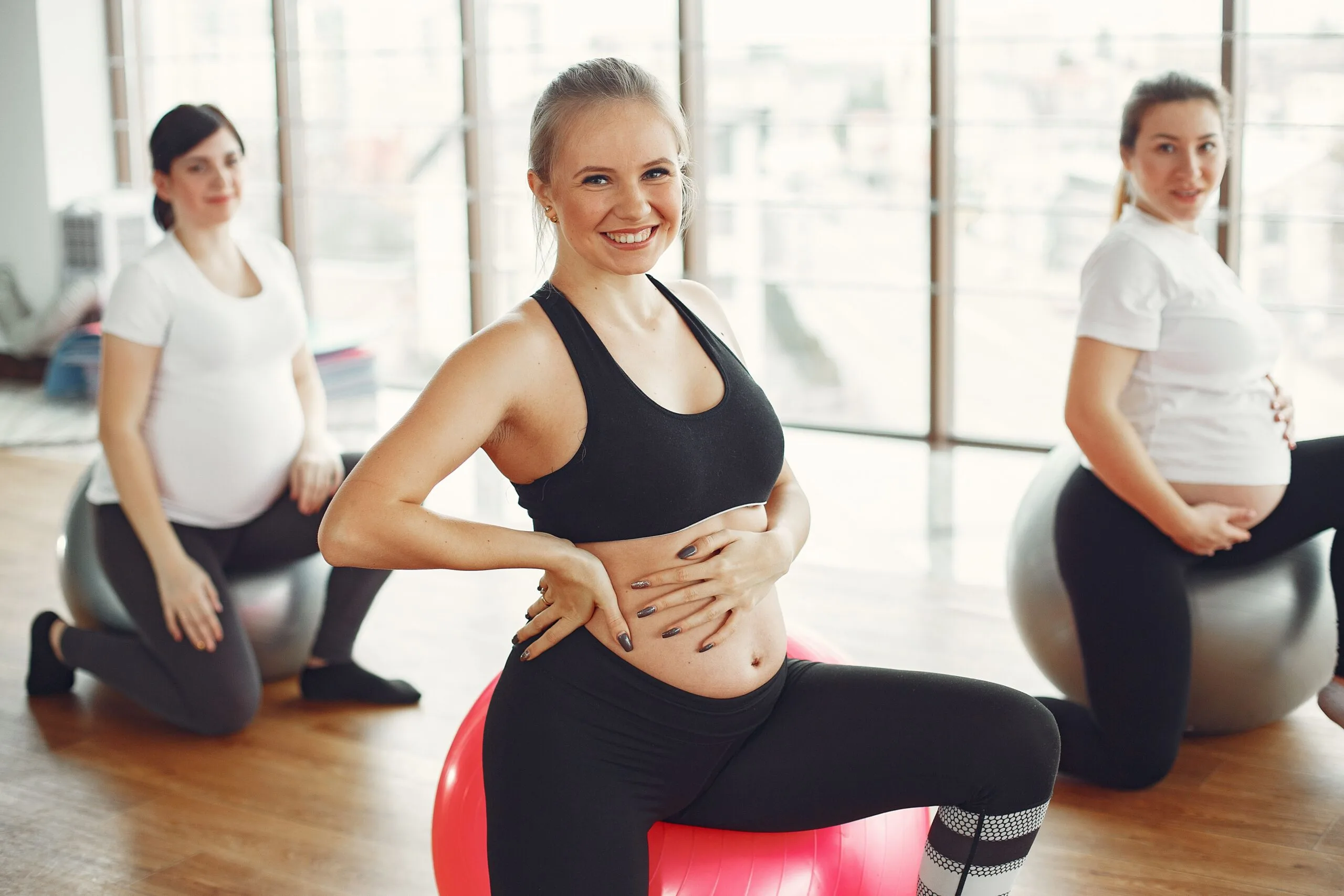
Today, evidence paints a different picture. Movement remains valuable throughout pregnancy, but it needs to evolve alongside the body. Exercise selection, breathing mechanics, pelvic floor awareness, and recovery all become increasingly important as each trimester introduces new physical realities.

That is the core on which Empower Pregnancy, created by Empower by Dóttir, was built. Rather than treating pregnancy as nine months of limitations, the 36-week program recognizes it as an athletic season requiring thoughtful programming. Developed by pregnancy and postpartum performance specialist Brianna Battles alongside CrossFit champions Annie Thorisdottir and Katrín Davíðsdóttir, the program provides trimester-specific strength training that evolves week by week, integrating pelvic floor support, mobility, breathing strategies, and progressive resistance training as the body changes.
Menopause Deserves Better Than “Slow Down”
If pregnancy has historically been surrounded by caution, menopause has often been surrounded by surrender. Slow metabolism, loss of muscle, and the feeling of having less energy have all just been narratives accepted by women.
Researchers studying women’s physiology increasingly suggest that training strategies may need adjustment, but women shouldn’t abandon it altogether. This is where Empower by Dóttir’s Take Off 2.0 enters the conversation from an entirely different angle.
Co-developed with exercise physiologist Dr. Stacy Sims, the six-week program was designed specifically for women navigating perimenopause and menopause. Rather than prescribing endless cardio or calorie restriction, it emphasizes progressive strength training, sprint intervals, recovery, and education around hormonal physiology. The goal is to help women build muscle, improve energy, and train in ways that better reflect how their bodies are functioning during this life stage.

The Missing Conversation Is Confidence
Ask women why they stop exercising during pregnancy. More often than not, the answer will be uncertainty. They aren’t sure how heavy is too heavy to be lifting, which movements are safe, or what happens to the core muscles.
Ask women entering menopause the same question and you will discover that uncertainty extends to them as well. They aren’t sure if they should be doing HIIT, they worry when recovery takes longer than before, and they question whether or not they are losing strength.
Despite existing at opposite ends of the reproductive timeline, these two life stages are both defined by uncertainty that erodes confidence before it has time to affect physical performance.
Strength Is a Relationship
In wellness, strength is not a finish line, but it is treated as such. We are urged to lift heavier, run faster, lose more weight, and reach ever-changing goals. Strength is something that evolves. Yes, sometimes it does mean lifting a heavier barbell, but at other times it may be learning how to breathe differently while carrying a growing baby, or preserving muscle through menopause. It may also simply mean trusting a body that suddenly feels unfamiliar.
Why Women Don’t Need More Motivation
The wellness industry spends enormous energy trying to motivate women. We are bombarded with inspirational quotes, encouraged to look at before and after photos and to take our own, and told we need to have more discipline.
Most women aren’t short on motivation. They’re short on guidance they can trust. They’re exhausted from constantly trying to decode advice that wasn’t designed for them. A motivational speech is the last thing they need. What they do need is movement programs that suit the reality of where they are in life.
Empower by Dóttir’s programs like The Ultimate Pregnancy Training Blueprint pregnancy program are built around acknowledging that life is ever-changing. Whether supporting women through pregnancy or helping those navigating menopause rethink traditional training, the emphasis remains consistent: adapt the program to the woman, not the woman to the program.
Maybe the Future of Fitness Looks More Like Listening
Fitness is a culture that always demands more, harder workouts, more sweat, and more discipline when it should perhaps celebrate being more informed and observant, and more willing to recognize that biology isn’t there to trip you up, but to give you information to work with to achieve success.
Women have always been adaptive by nature. They’ve adapted careers around families, and vice versa. The remarkable thing is that their bodies have been adapting, too. It’s about time that fitness caught up with them. The most empowering training plan may be the one that teaches women to hear what their bodies are saying.