

Muscles are indispensable components of the human body, playing a pivotal role in ensuring its functionality and vitality. They go beyond mere movement, extending their influence to various essential functions that contribute to overall health and well-being.
Muscles are integral to the human body, serving as a foundational element responsible for a wide range of essential functions. They are primarily composed of specialized cells known as muscle fibers. These muscle fibers are long and cylindrical, each containing various components that enable their function.

Specialized Cells – Muscle Fibers
Muscle fibers, often referred to as muscle cells or myocyte, are the building blocks of muscles. Something uniquely designed these specialized cells to execute the remarkable task of generating force through contraction. Each muscle fiber is a biological marvel, responsible for a range of functions beyond just movement. The defining feature of muscle fibers is their ability to contract, enabling motion and force generation. The interaction between proteins made this contraction possible within the muscle fiber, primarily actin and myosin, which generates the mechanical force required for movement. They intricately adapted the structure of muscle fibers to fulfill their role. They are elongated and cylindrical, ranging from a few millimeters to several centimeters, depending on their location and function within the body.
Endurance Specialists
Type I (Slow-Twitch)
Type I muscle fibers. These They uniquely adapted fibers to excel in activities that demand prolonged endurance and sustained effort. Their remarkable characteristics make them invaluable assets for individuals engaged in activities. The defining feature of Type I muscle fibers is their exceptional capacity for aerobic energy production. These fibers are equipped with a well-developed system that efficiently uses oxygen to generate energy. This allows them to function optimally over extended periods, making them the go-to choose of activities requiring continuous effort. Whether it’s a long-distance run or a cycling session, Type I fibers step up to the challenge by producing energy consistently without fatigue setting in. In the world of muscle contractions, “slow” doesn’t translate to weakness; instead, it signifies endurance and tenacity. Type I fibers contract slowly compared to their fast-twitch counterparts, but this slowness serves a crucial purpose. Slow contractions enable these fibers to maintain their activity for prolonged periods without exhaustion. This unique ability is a testament to their role in supporting endurance-based activities where a steady and sustained output is essential. Type I fibers shine brightly in activities that require a continuous and controlled effort. Activities like long-distance running, swimming, or even steady-state cycling heavily rely on these fibers for their prolonged energy production and endurance capabilities. Their ability to sustain contractions without tiring quickly ensures that individuals engaging in these activities can maintain their performance levels.
Type II (Fast-Twitch)
Type II muscle fibers, often known as “Fast-Twitch” fibers, occupy a distinct and pivotal role in the realm of muscle physiology. These fibers are tailored for explosive bursts of activity that require strength and power, such as sprinting or engaging in heavy-weight lifting exercises. Their unique characteristics make them invaluable players in high-intensity physical endeavors. Fast-Twitch fibers are aptly named because of their incredible ability to contract rapidly. This rapidity translates into explosive power, enabling individuals to generate quick and forceful movements. When sprinting off the starting line or lifting a heavy barbell, these fibers come into play, delivering the swift contractions needed to start powerful actions. One of the most remarkable features of Type II fibers lies in their capability to deliver formidable energy bursts. When engaged in activities requiring sudden and forceful movements, these fibers tap into energy reserves with astonishing efficiency. This allows individuals to perform actions that demand a rapid and forceful response, whether it’s speeding up during a sprint or executing a forceful lift.
[restrict]Unlike their slow-twitch counterparts, Type II fibers are designed for brief yet intense bursts of activity. However, this specialization comes at a cost. Fast-Twitch fibers have a tendency to fatigue more quickly compared to slow-twitch fibers. While they excel in generating intense power, their endurance is limited. As a result, they may not be well-suited for activities that demand sustained effort over extended periods. Fast-Twitch fibers are the unsung heroes of activities that require sudden and intense force. Sprinters, who must speed up rapidly, rely heavily on these fibers to deliver lightning-fast strides. Similarly, individuals lifting heavy weights require the explosive strength that Type II fibers can provide. These fibers play a crucial role in achieving optimal performance during activities that cause short but high-powered efforts.
Balancing the Fiber Equation
The interplay between Type II and Type I fibers highlights the complexity of muscle adaptation. While Type I fibers excel in endurance-based activities, Type II fibers step in to meet the demands of intense, explosive actions. The body’s ability to switch between these fiber types allows for versatility in performance, ensuring that individuals can tackle a wide range of physical challenges.
Sarcoplasm

This is the cytoplasm of a muscle fiber. It contains necessary components like glycogen, which stores energy, and myoglobin, a protein that stores oxygen. Sarcoplasm transcends its role as a mere cytoplasmic entity; it directly influences the performance and capabilities of muscles. By storing glycogen and myoglobin, Sarcoplasm contributes to sustaining energy levels and oxygen availability during physical exertion. This supports endurance, strength, and overall muscular prowess. Sarcoplasm plays a crucial solo. Its composition and functions intertwine seamlessly to ensure that muscles are equipped to face challenges head-on. Whether it’s a sprint, a weightlifting session, or any other physical endeavor, Sarcoplasm stands as the unsung hero, enabling muscles to achieve feats of extraordinary magnitude.
Glycogen
Glycogen, nestled at the core of Sarcoplasm, operates as an intricate energy reserve meticulously designed to support muscle functions. This remarkable carbohydrate serves as a vital source of fuel, poised to ignite the powerhouse of muscle activity during demanding tasks. Its strategic placement within the Sarcoplasm allows for swift and efficient access, ensuring that muscles are well-equipped to handle strenuous activities. Picture glycogen as the “go-to” energy source for muscles in times of need. As muscles engage in rigorous exercises or physically demanding activities, the breakdown of glycogen releases glucose, a rapid and easily convertible form of energy. This process delivers a surge of fuel, empowering muscles to meet the demands of the task at hand. Glycogen’s ability to swiftly provide energy contributes significantly to preventing premature fatigue and enhancing endurance. One of glycogen’s most notable attributes lies in its role in optimizing muscle performance. As glycogen levels remain ample within the Sarcoplasm, muscles can sustain their efforts without faltering. The presence of glycogen ensures that its prime muscles to exert force, display strength, and endure extended periods of activity. This factor becomes critical during high-intensity workouts or activities that require consistent muscular output.
Myoglobin
Within the realm of Sarcoplasm, myoglobin emerges as a truly remarkable component, playing a vital role as the guardian of oxygen within muscle fibers. This specialized protein takes on the crucial responsibility of capturing and storing oxygen, thus establishing itself as an indispensable player in facilitating muscular activities. Imagine myoglobin as a vigilant reservoir stationed within muscle fibers, tirelessly collecting and preserving oxygen molecules. During periods of heightened activity, when muscles require an increased supply of oxygen, myoglobin steps in to provide the much-needed resource. This proactive approach ensures a continuous and steady supply of oxygen, enabling muscles to function optimally even in the face of strenuous demands. Myoglobin’s ability to secure oxygen serves as a pivotal factor in promoting muscular efficiency. By maintaining a surplus of oxygen molecules, this protein empowers muscles to meet their energy demands without interruption. This is clear during activities that demand rapid and sustained efforts, such as sprinting or intense weightlifting. The presence of myoglobin guarantees that oxygen remains in ample supply, translating to enhanced endurance and prolonged performance.
One of myoglobin’s most noteworthy roles is its contribution to combating fatigue. As muscles engage in rigorous exertion, they generate waste products that can lead to a decline in performance and the onset of fatigue. However, myoglobin’s oxygen-storing capabilities help mitigate this effect. By continuously delivering oxygen, myoglobin aids in flushing out waste products, allowing muscles to function smoothly and delaying the point of exhaustion.
Bone, Tissue & Cartilage Balm
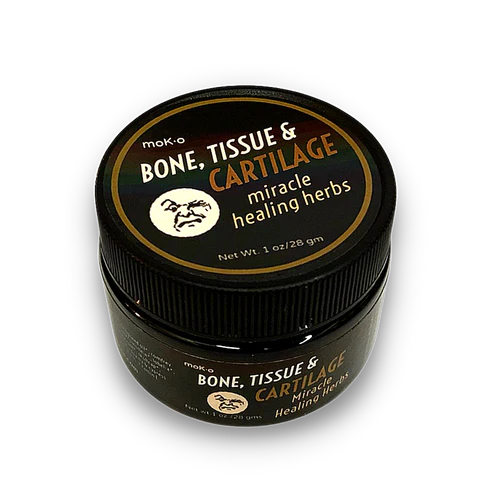
- Have anti-inflammatory properties that ease discomfort and promote healing
- Free from harsh chemicals and artificial additives
- Extend beyond immediate relief, promoting sustained healing.
- Induce a sense of relaxation, helping to ease stress and tension.
- Contribute to improved joint flexibility and mobility, making it easier to perform daily activities.
Comfortably Numb Original Roll-on
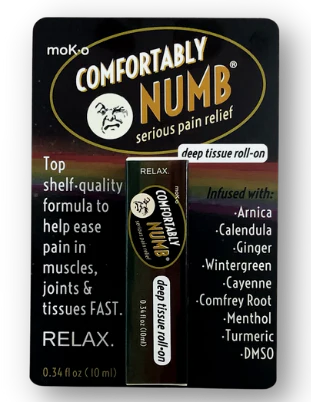
- Improved sleep quality
- Offers fast-acting relief,
- Provides a viable option to manage discomfort without relying solely on medications.
- Offers versatile relief, catering to a wide range of health concerns.
- Offers the benefits of botanical extracts and essential oils without the potential drawbacks of synthetic compounds.
Strength in Strands!
Introducing our remarkable Bone, Tissue & Cartilage Balm, the ultimate solution for promoting the health and well-being of your musculoskeletal system. Our Balm is meticulously crafted to provide targeted support to your bones, tissues, and cartilage. Designed to enhance your body’s natural healing processes, this balm is an essential addition to your wellness regimen. Infused with a proprietary blend of potent ingredients, our balm offers nourishment and care where it’s needed most. Whether you’re an active individual seeking to optimize your physical performance or someone looking to enhance their bone and joint health, our Balm is your trusted ally. Its non-greasy, easily absorbable formula makes an application for a breeze, ensuring you can enjoy the benefits of this balm with no hassle.
Elevate your journey toward robust musculoskeletal health with our Bone, Tissue & Cartilage Balm. Discover the comfort, flexibility, and resilience that come from nourishing your body with nature’s best and embrace a life of vitality and movement.
Are you in search of a reliable companion for soothing relief and tranquility? Our Comfortably Numb Original Roll-on is expertly formulated to provide you with the soothing relief you deserve. Designed to ease discomfort and promote a sense of calm, this roll-on is a must have addition to your wellness toolkit. Harnessing the power of natural ingredients, our Roll-on combines botanical extracts, essential oils, and time-honored remedies to deliver optimal relief. Each ingredient is thoughtfully selected to address discomfort at its source, offering you a pathway to comfort that is both effective and holistic. Whether you’re seeking relief from everyday muscle tension, minor discomfort, or the stresses of a fast-paced lifestyle, our Roll-on has you covered. Its compact design makes it the perfect on-the-go solution, ensuring you can access comfort whenever and wherever you need it most.
Discover the serenity of a discomfort-free life with the Comfortably Numb Original Roll-on. Embrace the relief, calm, and comfort that awaits you. Don’t let discomfort hold you back, take control of your well-being today and experience the transformative difference it can make.
[/restrict]