
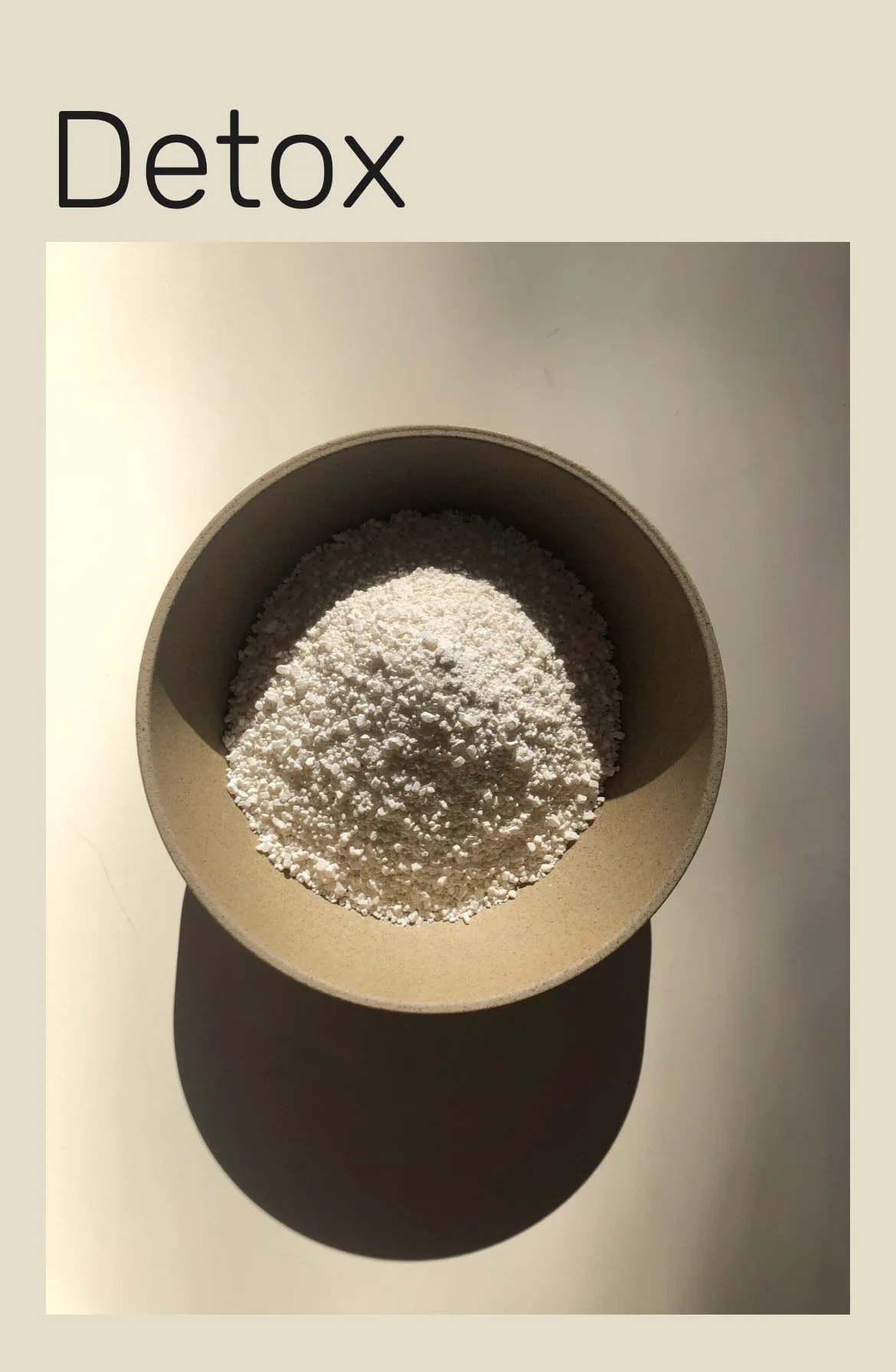
Within one of the busiest cities in America, Los Angeles—a city renowned for its endless hustle and bustle—a subtle change is underway. Nagi, a women-owned business, has reexamined the age-old custom of bathing, revolutionizing this simple process into a ceremony for restoration and rehabilitation. Taking massive inspiration from the many histories and cultures across time, Nagi’s handmade bath soaks aid any individual seeking to ease up, recenter themselves, and experience a shift in their lives that goes beyond simple changes.
What’s In a Name?
Nagi is much more than many other brand names out there. “Nagi” comes both from the Polish word for “nude and “Nagi” in Japanese meaning “calm”. The inspiration for the nude aspect of the name is the shedding of unnatural discomforts, obtaining both authenticity and letting go of the pointless feelings of shame. The calm aspect is the reacceptance of inner peace and lucidity. This multifaceted nature captures the essence of Nagi—letting go of the unnecessary burdens weighing individuals down to uncover their true comfortable selves. Each bath soak is painstakingly handmade, incorporating beneficial clays, healthy salts, and powerful essential oils all to respect the traditions of bathing practiced throughout time.
Exploring Customs Across Time and Culture
The individualized custom of bathing has always been about much more than just correcting hygiene. From the peaceful onsens of Japan to the shared saunas of Finland, and even lavish mineral baths in Italy, the list is endless. Bathing water has consistently throughout history been utilized for healing, cleansing, and spiritual reconnection. As far back as Ancient Rome bathing was considered a cultural healing ritual—a period to relax, recover, and reconnect with the mind. In the modern day, Nagi is upholding these meaningful traditions, providing means for modern bathers to create their sanctuary where heritage, culture, and reinvention come together.
Throughout history, these customs existed not just to clean the body of impurities but to heal and worship the soul. Once again examining Japan’s cultural bathing, when using their many natural hot springs, these baths were often mixed with essential minerals, which increased longevity and harmony within the body. In Finland, the familial experience of going to the sauna is an act based on community and reinforces relationships while providing physical relief to the body. Nagi’s bath soaks, with their immaculate recipes, are a modern reinterpretation of these ageless customs—an affirmation that self-care is not a new concept but rather an ancient one.

The Spirit of Wellness: Effective and Practical Benefits
The modern scientific establishment is only now beginning to catch up to what many cultures across time have practiced for centuries: bathing is a curative ritual. Looking past the typical relaxation and pleasure it affords, studies have shown that routine soaks result in increased cardiovascular health, improved glycemic control, inflammation reduction, and even boosts in mental acuity. Sinking into a hot, minerally-enhanced bath can also naturally increase melatonin production, boost sleep quality, and accentuate the effects of rest. In addition, the soothing experience of a soak can detoxify the physical body by removing excess heavy metals and toxins and acting as a mood stabilizer, increasing serotonin levels and reducing the stress levels from a busy week.
[restrict]Nagi’s belief system is simple but sincere: when someone lovingly cares for themselves, this concern and dedication ripple outwards, touching every aspect of their lives. In this modern era, it’s not uncommon for individuals to mention not having time for a bath. However, a few minutes in this brand’s bath soaks can act as a counterbalance against the endless cascade of life’s business.
Examining Nagi’s Detox Soak: Your Path to Restoration and Rejuvenation
Among Nagi’s tasteful creations, the Detox Soak stands apart as a declaration of restoration and cleansing. This exclusive formula is a careful fusion of pentatonic and kaolin clays, Epsom salts, and historic Japanese hinoki wood. Each ingredient has been selected not just for massive health benefits but also for their combined harmonization.
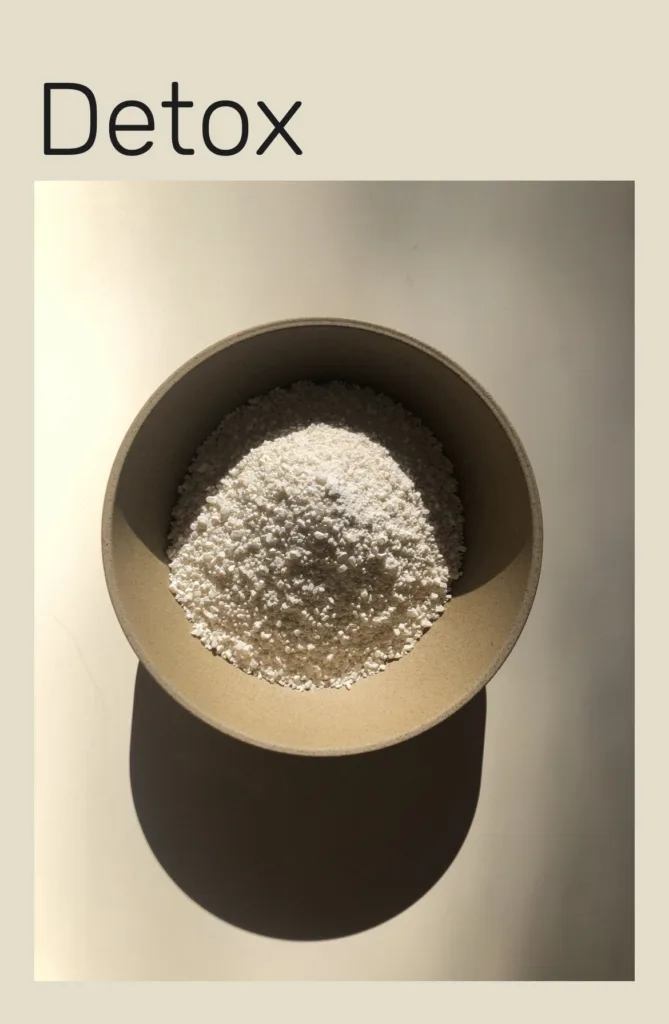
Betonite Clay and Kaoline Clay
Bentonite clay, well-known across the world for its exceptional absorptive qualities, behaves like a natural magnet of sorts pulling out pollutants and toxins from the skin. When bentonite is paired with kaolin clay—a powerful mineral used for its ability to hydrate, smooth, and prevent inflammation of the skin—resulting in a multilayered cleansing experience. To no one’s surprise kaolin clay has been used in cultural healing and skincare across generations. Kaolin clay possesses a unique exfoliating quality that clears dead skin cells, leaving ample room for newly born, brilliant skin. These clays have been utilized across multiple civilizations for their incredible effectiveness and have been readapted within a modernized soak.
Epsom Salt: A Natural Calming Agent
Epsom salt, also known as magnesium sulfate, is another key agent in Detox Soak. Not many elements are as well-known on Earth as Epsom salt for its ability to expel heavy metals from the skin. Epsom salt is also widely used to encourage increased production of serotonin—a chemical in the brain that is in charge of positively impacting mood and relaxing a busy mind. The archaic origins of Epsom salt trace back to mineral-dense springs in Epsom, England, where once again it was used for countless decades for its natural healing capability. Bringing it back to bathing soaks through its usage is vital for instilling a deep calm, allowing all the worries to disappear.
Japanese Hinoki Wood: The Aroma of Peace
The inclusion of hinoki extract, the wood of a beloved Japanese cypress tree, provides a fragrance that is both soothing and enduring. Hinoki wood is another ingredient used for centuries in Ancient Japan to build their famous temples and shrines, its charming, essential smell conjures thoughts of peaceful forests and undisturbed mountain lodgings. As the Detox Soak infuses its understated fragrance into the evaporated water of the bath, it passes on the feelings of ancient customs practiced in times long past and secretive whisper promising inner peace. This layered sensory experience transports an ordinary bath into transcendent meditation, where the body and spirit can finally find balance.
Taking a Look at Nagi’s Relief Soak: A Transcendentally Soothing Experience
While Nagi’s Detox Soak is certainly revolutionary for those desiring relief from pains and aches accumulated through daily life, Nagi offers Relief Soak—a bath soak formulated for assuaging muscle aches and promoting skin wellness. Using French green clay, Pink Himalayan salt, and serene sandalwood, this deeply restorative soak celebrates nature’s innate ability to heal and rejuvenate.
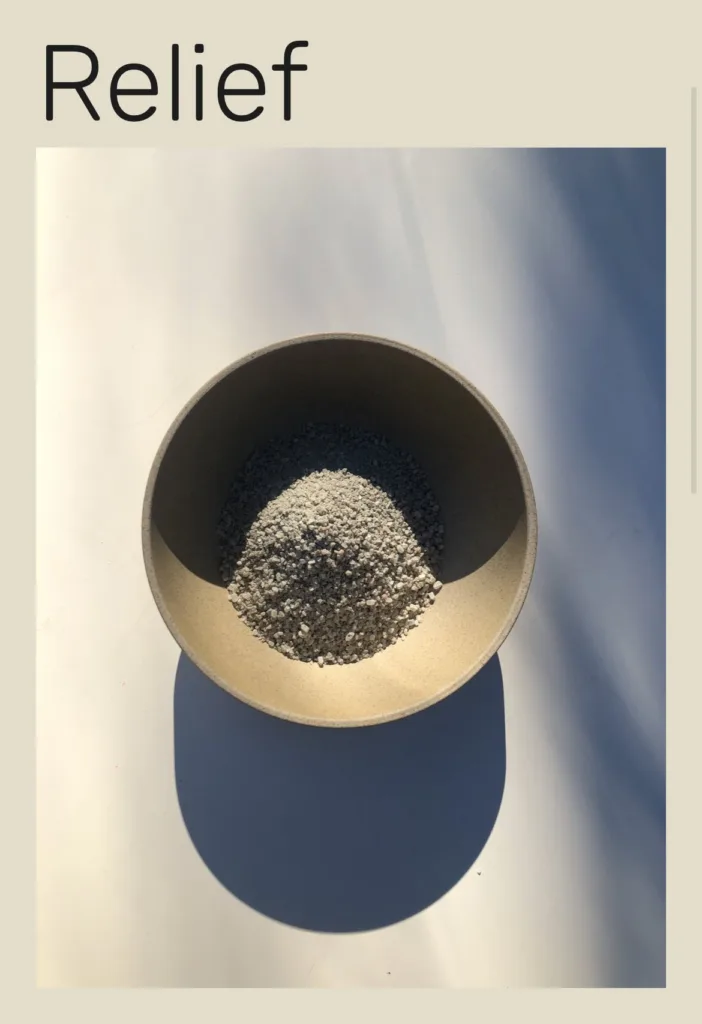
French Green Clay: An All-Natural Detoxing Force
French green clay like many pre-medicine ingredients has been used as an anti-inflammatory, antiseptic, and antibacterial catch-all. Its special mineral makeup doesn’t just assist in detoxification by easing out grime and toxins but it also treats aching muscles. The regenerative nature of French green clay is due to its ability to cleanse and refurbish, a quality that has enabled it to perform wonders for premodern skincare. By utilizing this extraordinary clay within the Relief Soak formula, Nagi provides a spectacular creation that allows for profound relief and transformation—a proud return to the power that only nature can provide.
Pink Himalayan Salt: A Wonder Mineral
The addition of Pink Himalayan salt supports the other regenerative properties already included. Obtained from deep sea beds in the Himalayan mountains, this naturally pink salt is beloved for its abnormally high mineral content and harmonizing powers. Looking past its enchanting outward appearance—its innate earthy pinkness puts across its purity—Pink Himalayan salt excels at correcting imbalanced pH levels both inside the body and on the skin. This harmony is essential for flourishing skin wellness but also for secondary issues that contribute to unwell skin such as bloating and inflammation, leaving behind a bright, blemish free complexion. Its firm, yet gentle effect, allows it to blend and accentuate the French green clay seamlessly.
Sandalwood: An Earthy Assist in Self-Care
Finally, the Relief Soak is further imbued with sandalwood—an important scent that has been worshipped across millennia for its impressive ability to ground and relax. Utilized consistently in spiritual ceremonies for countless cultures, sandalwood is most commonly used for meditative practices in quieting the mind, body, and spirit. Relief Soak’s fragrance of genuine sandalwood combines with healing scents of clay and salt, they culminate into a transformative journey that pushes the body and mind into a state of reconstruction. This sensory exploration is more than a nice bath at the end of a busy day; it’s a comprehensive experience that targets both physical aches and the mental sufferings collected over a stressful day.
Modernized Customs with Ageless Meaning
In the breakneck-paced modern era, taking a lengthy, luxurious bath seems like an indulgence many don’t have the time for. However, the undeniable positives of thermotherapy, aromatherapy, and hydrotherapy have been more required in any other period of history. Taking healing soaks can improve cardiovascular regulation, decrease inflammation, enhance glycemic control, and improve even mental capacity. This dynamic combination of heat, minerals, and fragrances has not only proven to restore the physical body but also markedly increase mental focus. Reminding individuals that true well-being is only possible when all these elements are at peace.
Nagi’s intimately packaged, handmade approach is a return to ensuring every product is made with sufficient attention, quality, and adoration as seen in ages past. Each ingredient is carefully curated and sourced for its purity and potential, honoring methods of cultures past and present while presenting solutions with a modern twist. In this period of society where factory-made products often forego any human attention, this brand casts aside this impersonal and abnormal craftsmanship—instead believing in the authenticity and hard work of a small business that truly believes in the wellness product it’s providing.
An Unexplored Angle for Achieving Wellness and Harmony
Nagi’s products are not merely objects to be used interchangeably with any other; these innovations seek to encourage individuals to begin their path toward holistic wellness. These holistic wellness practices almost always involve no singular focus but instead mean approaching the mind, body, and soul together. Within modernity overwork and constant action are rewarded while inaction is deemed unacceptable thankfully these soaks softly remind you that actual well-being requires focus and attention. By surrounding yourself in either Nagi’s Relief Soak or Detox Soak, you’re not only treating the wear and tear your physical body has experienced but also connecting with the age-old practice of nourishing the spirit.
This brand’s story stems from a profound connection to cultural heritage, new-age reinterpretation of age-old practices, and a deep understanding of tradition. Founded by women who comprehend the value self-care can have on every aspect of living, the brand hopes to be a monument to the ability of timeless rituals, like bathing, to provide. Every element utilized imparts the legacy of culture’s past, the power of ingredients that nature creates, and the first step in overall wellness is taking care of oneself. Whether this is done by cleansing the skin and body of aberrant environmental factors through Detox Soak or the life-affirming alleviation provided by Relief Soak, each product is an intricately constructed remedy that is made to take your dreary, everyday baths into something more a dedicated act of self-worship.

The Never-ending Journey of Wellness
The revitalizing feeling of a warm bath is known to all, including those in busy homes and bustling cities. With Nagi’s Detox Soak and Relief Soak, individuals can reacquaint themselves with their bodies and recenter overactive minds. In the modern world, where our bodies are endlessly worked, these handmade soothing concoctions demand that we remember that self-care isn’t an extravagance but a necessity.
Every time someone takes a rewarding bath soak, they take a step towards a more harmonious life, one that opposes excessive stress, and demands that individuals return to living authentic lives. As the reassuring bath soak covers you, prepare to accept a body and mind that exist without excess aches and strains. With Nagi, bathing transforms into a sincere form of self-respect—a personal offer to step back, rest, and be for the first time in a long time.
[/restrict]