

Your body is exposed to germs, including pathogenic bacteria, every day. Your body can defend itself against diseases by fending off external invaders like viruses, fungus, bacteria, and parasites thanks to your immune system. You might not notice when your immune system is functioning, which makes this process seem straightforward. Although complex and made up of numerous cells, proteins, and organs, your body’s natural defence mechanism works to prevent hazardous invaders from hurting you. In this post, we’ll examine the value of a strong immune system and how you may improve your body’s built-in defences.The immune system serves as the body’s defence against or restriction of infection. It can protect the body from bacteria, viruses, parasites, and other threats thanks to its intricate network of cells, organs, proteins, and tissues.Healthy tissue and undesired chemicals can be distinguished by an immune system that is fully functional. It will launch an intricate attack to defend the body from invaders if it identifies an unwelcome material. Additionally, it detects and eliminates damaged and dead cells.

However, the immune system is not always accurate. Because of a medical condition or the requirement for specific treatments, for instance, it may occasionally be unable to fight efficiently.
The immune system misinterprets good tissue in autoimmune disorders and allergies as diseased, causing an unwarranted onslaught that results in painful and occasionally severe symptoms.White blood cells (leukocytes), the spleen, the bone marrow, the lymphatic system, the thymus, the tonsils, the adenoids, and the appendix are just a few of the parts that make up the immune system. White blood cells move through lymphatic and blood arteries.
Similar to how blood arteries form a network, the lymphatic system does as well. Instead of blood, lymph is what it conveys. Immune-related cells are transported by a fluid called lymph to places that require them.Pathogen-hunting white blood cells are active all the time. Once they locate one, they start to reproduce and tell other cell types to do the same. White blood cells are kept in the body’s many lymphoid organs.The thymus is a gland located beneath the breastbone where lymphocytes, a kind of white blood cell, develop. Immune cells congregate and function in the spleen, an organ in the upper left corner of the abdomen.Red and white blood cells are made in the bone marrow, a soft tissue located in the middefenceshe bone.Lymph nodes are tiny, bean-shaped glands that can be found all throughout the body, but are most prevalent in the neck, underarms, groin, and belly. They are connected by lymphatic vessels. In lymph nodes, immune cells assemble and react to external stimuli. The lymphoid tissue is present in the tonsils, adenoids, and appendix because they serve as entry points for pathogens into the body.
How Your Immune System Functions
The immune system protects you from potentially dangerous changes inside your body as well as harmful germs that enter your body from the outside. You are protected by your immune system by doing the following:
battling pathogenic microorganisms, such as bacteria, fungus, viruses, or parasites, and eliminating them from the body as well as combating bodily alterations that can result in diseases like cancer, and finally, the ability to recognize and combat poisons and other dangerous elements in your surroundings.
[restrict]Your immune system is rapidly triggered when your body discovers foreign substances (antigens). Antigens might be proteins on the surface of foreign cells, poisons, or allergens (viruses, bacteria, and fungi). Your immune system cells come into contact with these antigens, which sets off your body’s natural defenses and causes the production of antibodies. When a particular type of pathogen causes an immune response, those antibodies remain in your body to attack that germ later. By doing this, your body learns how to combat disease-causing microbes and retains that knowledge so that it can combat them more quickly the next time they are detected.
Although the antibodies can tag and adhere to antigens, they are unable to eradicate pathogens. T-cells eliminate pathogens, which are dangerous bacteria that might cause disease. The bone marrow’s stem cells give rise to T-cells. They are a crucial component of the immune system because they destroy and remove infected cells. The body’s natural defences can have trouble distinguishing between healthy internal cells and dangerous external cells. Thus, healthy cells in your body are wrongly attacked by your immune system. An autoimmune reaction is what is happening in this situation.

Why You Should Strengthen Your Immune System
Your immune system protects you from germs and dangerous substances. You are unaware that your immune system is working as long as it is in good condition. You may become ill, though, if it deteriorates and is unable to defend against specific antigens. Additionally, your body may become ill from bacteria it has never encountered before. You should work to improve your immune system because of this.
Your lymphatic system and bloodstream help your immune system transfer nutrients throughout your body and remove potentially harmful contaminants. Healthy behaviours help to improve how well your body defends itself, which enables it to do the following things more effectively: combat potentially dangerous alien cells, eliminate germs and prevent illnesses and infections.
A strong immune system is crucial in preventing illnesses. To combat and get rid of poisons and germs that cause disease, the immune system makes white blood cells and proteins. By doing this, infections are eliminated by the body before they can proliferate and seriously harm the host.
You are more likely to heal from injuries fast when your immune system is working properly. Wound healing is influenced by immune cells. Therefore, prolonged inflammation and sluggish healing can result from your body’s immune system being underdeveloped.
Your immune system defends you against infectious agents that can lead to life-threatening infections. When you are healthy more often, you feel better. Having a weakened immune system can also make you tired. You feel stronger when your immune system is strong.

About Ecoideas
Leading producer and supplier of natural health goods to shops across Canada is Ecoideas. In the categories of organic health food, raw food, premium dietary supplements, the cleanest environmentally friendly cleaning solutions, and natural body care products, Ecoideas offers a genuinely one-of-a-kind range of goods.
With the intention of connecting consumers with distinctive, affordable, ecological products through suppliers and health food stores that share similar values, Ecoideas was established more than 15 years ago. Ecoideas is delighted to be affiliated with reputable local and international companies today.
Ecoideas is happy to offer its own brand of groceries, superfoods, vitamins, cleaning supplies, and other goods. They take satisfaction in working hard to deliver their consumers the healthiest, most cutting-edge items possible that are ethically obtained from all around the world. They have product lines including flours, superfoods, grains, coconut & cacao products, tigernuts, and more under the Ecoideas brand.
When choosing brands to offer to you and your families, they exercise the same care that they do with their own products. Ecoideas provides a distinctive range of goods in the following categories: organic health food, wholesome snacks, premium supplements, eco-friendly goods, and natural body care. They frequently collaborate with small businesses and work directly with their vendors to establish the brand from the ground up. They take great pride in serving as the reputable, sole distributor for eminent international brands.
Certifications of Ecoideas
Ecoideas promotes fair trade practices in the communities that they source and distribute our products. Ensuring the viability and sustainability of the communities that they do business in are extremely important to the fabric of their culture. As a result, Ecoideas is a certified Fair Trade company by Fair for Life, an internationally recognized organization. Ecoideas prioritizes Fair Trade products for the products that they carry whenever available.
Food quality and safety are fundamental tenets of Ecoideas. They are crucial to achieving their goal of being known and trusted for providing goods that improve quality of life and contribute to a more sustainable and healthy future. Ecoideas is SQF Level 2 Certified, the highest level of certification offered by the Global Food Safety Initiative for food safety (GFSI). Since 2016, Ecoideas has received SQF certification. At Ecoideas, they pledge never to skimp on the quality, compliance, or safety of their goods and services.
Since 2007, Ecoideas has been an Ecocert Canada-certified organic business. Following the requirements of this Certification underlines Ecoideas’ core values, which include preserving biodiversity, conserving soil fertility, and protecting the environment and all of the living things that depend on it while avoiding the use of GMOs and synthetic and chemical products.
Two Awesome Products To Help Your Immune System
Ecoideas Wild Harvested Chaga Ground Mushroom

The unusual mushroom known as chaga gently absorbs nutrients from living birch trees to grow. For hundreds of years, chaga has been consumed as a natural, caffeine-free tea for medical purposes. It tastes earthy with a hint of vanilla.
To safeguard the trees, only live Canadian birch trees are harvested by hand during the winter. Premium Quality, Safe from Heavy Metals and Pesticides, Third Party Laboratory Tested.
It is highly regarded for its ability to delay aging and preserve youthful vitality. This fabled mushroom is renowned for having some of the highest antioxidant concentrations. natural adaptogen that aids in metabolic system balancing.
Navitas Organics Camu Camu Powder
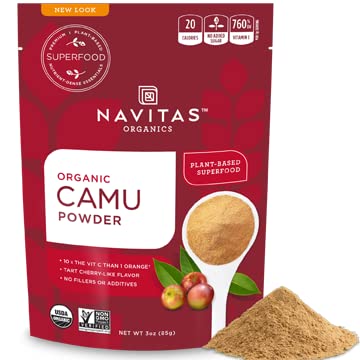
The Peruvian berry known as camu camu is well known for enhancing the immune system. For a tart berry boost that is packed with vitamin C, stir Navitas Organics Camu Powder into your juices, smoothies, or cereal!
The most potent vitamin C nature has to offer is found in Navitas Organics Camu Powder, which is made from meticulously crushed entire camu berries.
The camu powder from Navitas Organics is a healthy and practical complement to your everyday diet. This superfood powder is intended to add more antioxidants to your diet while also providing you with a steady supply of energy throughout the day. Navitas Organics Camu Powder is made entirely of natural components and does not contain any artificial fillers. This product is vegan-friendly, organic, kosher, and free of gluten.
Conclusion
Your general health can be seriously threatened by a compromised immune system. You must make sure that your defense system is functioning to its best potential because your body primarily relies on it for healing and cell renewal. Thankfully, there are strategies to strengthen your immune system and offer yourself a decent chance at living a long and healthy life. This entails upholding healthy routines like eating a balanced diet, working out frequently, getting adequate sleep, and drinking enough water. You’ll feel better, have more energy, and your body will heal more quickly if you indulge in these healthy behaviors.
[/restrict]