

Imagine waking up with a painful itch that makes your skin red, inflamed, and impossible to ignore. Many people live like way every day. Eczema, psoriasis, and poison ivy may make even the most basic tasks difficult, leaving people angry, uncomfortable, and impatient for relief. These illnesses are more than simply skin deep; they are frequently accompanied by triggers ingrained in our modern lifestyles—stress, poor diet, environmental toxins—that make them difficult to control. Eczema, which is caused by both heredity and the environment, can flare up unexpectedly, and psoriasis, an autoimmune condition, adds another degree of difficulty. Outdoor enthusiasts aren’t immune—poison ivy’s annoying symptoms can last days or even weeks if not treated promptly.
Did you know that over 10% of the world’s population suffers with eczema at some point during their lives? Early intervention is critical to keep these problems from worsening into more dangerous illnesses such as infections or long-term skin damage.

Understanding the Differences Between Two Commonly Confused Skin Conditions
Eczema and psoriasis can look quite similar, leading to confusion between the two conditions. Both can cause red, inflamed, and itchy skin, making them difficult to tell apart at first glance. In certain cases, both symptoms may appear in the same areas of the body, such as the elbows, knees, or scalp, adding to the confusion. Eczema’s dry, flaky appearance can resemble psoriasis’ silvery, scaly plaques, especially during flare-ups when both conditions worsen. This similarity in symptoms, particularly redness and itchiness, might lead to a misdiagnosis and complicate therapy if not diagnosed correctly by a healthcare practitioner.
Eczema is mainly caused by a combination of genetic and environmental factors, such as allergies, irritants, and stress. Eczema reduces the skin’s barrier function, making it more susceptible to external factors. It is commonly associated with other allergic conditions, such as asthma or hay fever. Eczema frequently causes extreme itching, dry patches, and irritated skin on the face, neck, and inside the elbows or knees.
Psoriasis, on the other hand, is an autoimmune disorder in which the immune system incorrectly accelerates skin cell turnover. This fast skin cell development results in thick, scaly regions known as plaques. Psoriasis is also associated with immune system malfunction, which can be exacerbated by stress, infections, or certain drugs. Psoriasis rashes, unlike eczema, are usually thicker, raised, and coated with silver-white scales.
[restrict]While their symptoms can overlap, the fundamental difference is in the cause: eczema is caused by environmental irritants and a compromised skin barrier, whereas psoriasis is caused by an immune system dysfunction that stimulates skin cell growth. It is important to understand the difference between the two in order to properly treat the correct ailment.
Navigating Nature: Understanding and Avoiding the Risks of Poison Ivy
Nothing rivals the thrill of hiking through picturesque forests, camping under the stars, or discovering hidden pathways. Even in the middle of nature’s beauty, measures must be taken, especially to prevent poison ivy. This mythological plant, which has shiny green leaves grouped in threes, contains urushiol, a resin that causes severe skin irritation.
When urushiol comes into contact with the skin, it can trigger an allergic reaction known as contact dermatitis. Even a small amount of this oil can cause red, itchy rashes, swelling, and blisters, which can linger for weeks if not addressed. The reaction may not happen right away, but it can develop hours or even days after exposure, making it much more difficult for outdoor enthusiasts who are ignorant of their situation. Poison ivy grows in numerous places, especially in locations with partial sunshine, and it can spread by direct contact or by touching anything that have come into contact with the plant, such as clothing or pets.
Understanding how to recognize and avoid poison ivy is essential for enjoying nature without the misery of a painful, itchy rash.

Interesting Fact:
Urushiol, the oil that causes poison ivy rashes, can remain active on surfaces such as clothing, tools, or pet fur for up to five years, which means you can develop a rash long after the initial encounter if it is not thoroughly cleansed!
Marie Originals: Using Nature’s Healing Power for Modern Wellness
Marie Originals began with a simple mission: to harness nature’s healing power and empower people with practical, plant-based treatments for their skin and wellbeing concerns. Founded in the heart of upstate New York, the company’s story is based on a strong love for traditional herbal therapy and a dedication to producing products devoid of harsh chemicals. What began as a small, family-owned business has grown into a household name in natural health.
Marie Originals was established with the intention of bridging the gap between traditional treatments and health challenges. With a background in herbalism and a strong commitment to quality, the developer set out to create solutions that were not only effective but also safe and long-lasting. Each product is painstakingly created with time-tested herbal blends derived directly from nature to give powerful healing effects. This emphasis on purity and efficacy has resulted in treatments that address specific ailments like eczema, psoriasis, and poison ivy while being kind on the person and the environment.
However, Marie Originals is more than a brand; it is a homage to nature’s apothecary. Every product they make is designed to provide treatment where it’s most needed. Because of the company’s dedication to honesty and integrity, you get exactly what you see. As the need for gentle, plant-based skincare develops, Marie Originals continues to stand out by staying true to its roots: offering honest, herbal solutions that bring nature’s wisdom to the modern world.
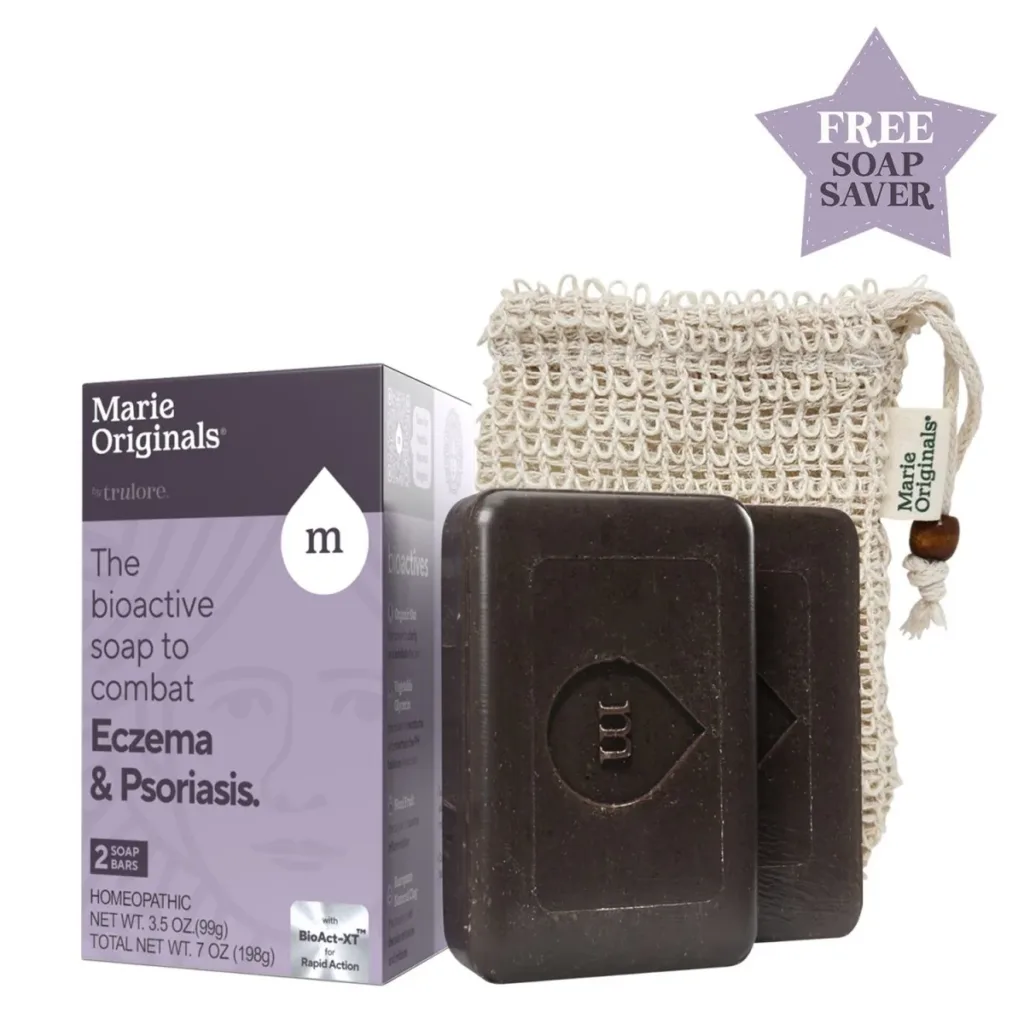
All-Natural Eczema and Psoriasis Soap
This soap is designed specifically for sensitive skin and provides a mild yet effective solution for people suffering from eczema and psoriasis. Its natural blend soothes, and calms inflamed, itchy skin while relieving the discomfort that comes with chronic skin disorders. This all-natural soap has no harsh detergents or chemicals that can irritate delicate skin, instead focused on relieving inflammation and restoring balance.
Noni, a potent anti-inflammatory plant recognized for its calming effects, is essential to its success. It contains bentonite clay and organic oat bran to eliminate irritants and impurities from your skin. These chemicals cleanse and build a protective barrier, reducing inflammation. The soap’s essential oil-infused glycerin base provides a layer of deep hydration, keeping the skin hydrated and nourished while also relieving irritation.
To get the best results, soak a washcloth with warm water and rub the soap bar into it to create a rich lather. Massage the foam into the afflicted areas of your skin and leave for two minutes before thoroughly washing. To get long-lasting relief, reapply the soap and let it dry on your skin. This simple procedure, when followed twice daily or as needed, can greatly minimize the severity of rashes and flare-ups.
The soap is prepared with a blend of nature’s best ingredients, including Armenian ochre, European clay powder, Grindelia extract, and white willow bark extract, all of which serve to heal and renew skin. Shea butter and olive fruit oil improve its moisturizing properties, keeping your skin soft and supple while the soap works to treat your condition. This carefully crafted recipe is a genuine treat for sensitive skin, providing a natural, effective solution that cleanses and heals.
Poison Ivy/Oak Soap
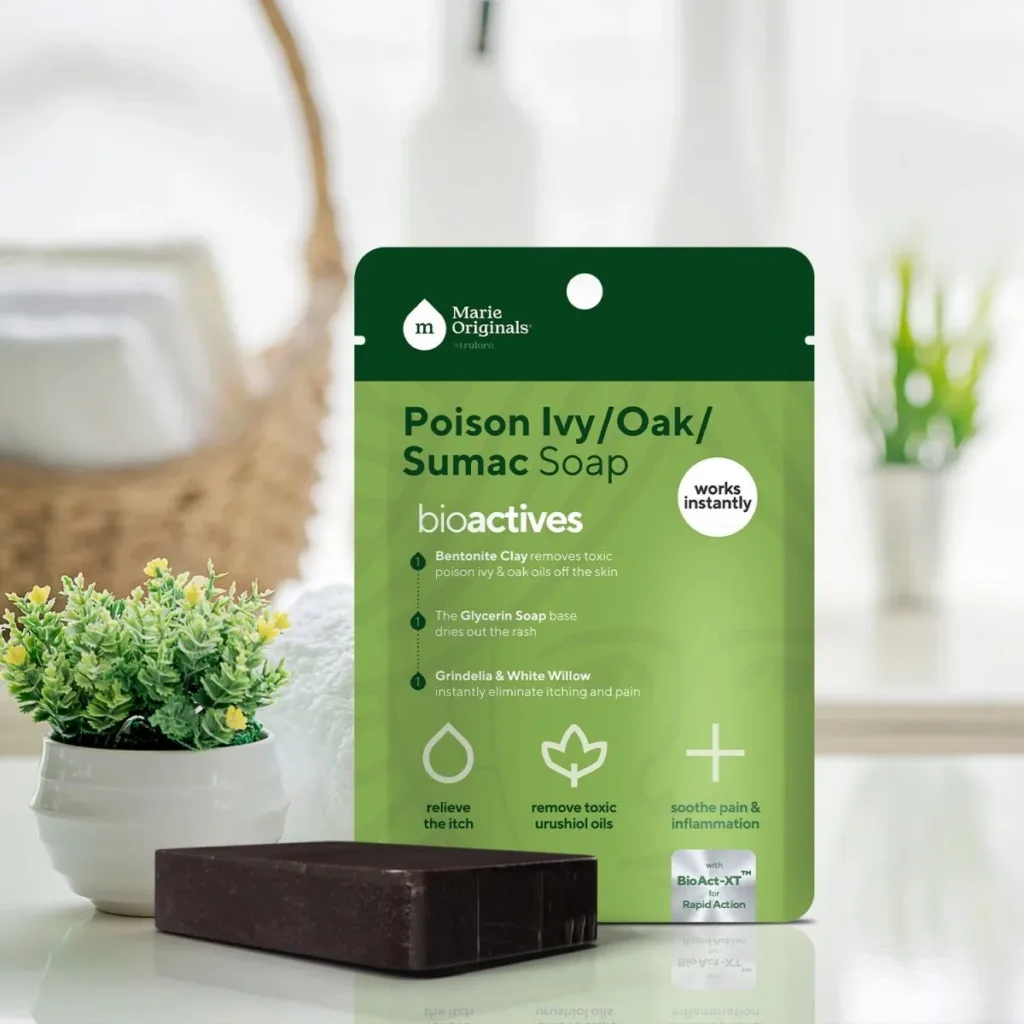
For anyone who enjoys the great outdoors, an encounter with poison ivy, oak, or sumac may rapidly turn a wonderful day into a miserable ordeal. These plants generate urushiol, a sticky, unpleasant oil that sticks to the skin and triggers an allergic reaction, causing severe itching, redness, and a painful rash. If not treated, the rash will spread, so act fast. Fortunately, Marie Originals Poison Ivy, Oak, and Sumac Soap offers a groundbreaking solution that is specifically designed to remove the oils from your skin, soothe the itch, and prevent the rash from spreading further.
The secret to this soap’s success is its proprietary “UrushioLock” technology, which quickly latches to and deactivates urushiol oil, the underlying cause of irritation. What sets this drug apart is its ability to not only relieve itching immediately, but also neutralize and remove toxic oils from the skin entirely. As soon as the soap is applied, its soft formula begins to act, effectively stopping the itch and soothing sensitive skin.
The soap contains Grade A oats, which create a unique friction that gently exfoliates the skin, lifting the tenacious urushiol oil and removing it from the surface. like the oil is released, bentonite clay acts like a magnet, trapping and locking up the oil to keep it from spreading to other parts of the body. This dual-action method ensures that the rash does not worsen while providing quick and efficient relief.
Simultaneously, glycerin contributes to drying out the rash, while a blend of herbal antihistamines, including sassafras and Grindelia, provides long-term itch relief. White willow root extract relieves pain and inflammation, making the healing process easier and more joyful.
To use, moisten your skin with cool water and then apply the soap. The coarser-textured top of the bar can be used to gently exfoliate the afflicted area, aiding in the removal of oil from the skin. Then, flip to the smoother side of the bar, creating a deep lather and kneading it into your skin. Let the lather sit for at least five minutes to enable the ingredients to work their magic, then thoroughly rinse. For sensitive skin, skip the exfoliating stage and concentrate on lathering for a softer approach.
For people who have already developed a rash, applying the soap many times each day can provide long-term relief. Regularly reapply the soap and let it dry on your skin to achieve longer-lasting benefits. This not only alleviates the rash, but also promotes faster recovery.
This soap is unusual since it may be used for both therapy and prevention. After spending time in areas with poison ivy, oak, or sumac, use soap to cleanse your skin before the rash appears. This makes it a must-have for hikers, campers, and anyone who enjoys being outdoors.
Millions of people, especially outdoor experts, rely on Marie Originals Poison Ivy, Oak, and Sumac Soap to provide long-term, effective treatment. Unlike traditional treatments, which only mask symptoms, this soap treats the fundamental cause by removing the oils before they cause damage to your skin. This soap has a doctor-recommended blend of natural ingredients, including bentonite clay, sassafras, and white willow, and provides an all-in-one solution to ease discomfort, relieve itching, and neutralize the oils that cause poison ivy rashes.
Healing and Prevention: The Key to Healthy, Irritation-Free Skin
Dealing with skin conditions such as psoriasis, eczema, and responses to poison ivy or oak can be extremely stressful, but understanding the underlying reasons and the most effective treatments can make all the difference. Whether it’s the immune system imbalance of psoriasis, the environmental reasons of eczema, or the irritating effects of poison ivy’s urushiol oil, proper care and prompt treatment are essential for treating these conditions and preventing long-term complications.
Natural, focused remedies, such as Marie Originals products, offer a potent alternative to traditional therapies by bringing relief and healing right to the source. These approaches effectively treat flare-ups and rashes by addressing their underlying causes, such as removing pollutants, reducing inflammation, or restoring sensitive skin. Early intervention and persistent skin care practices can help you avoid long-term irritation and attain healthier, itch-free skin. Remember that while these treatments can be effective, consistency in application and being proactive about skin health are essential. Whether you have long-term eczema or psoriasis, or you just need to recover from a poison ivy rash, the appropriate technique will keep your sk
[/restrict]