
When Health Changes Everything
Some ideas aren’t born in boardrooms. They show up quietly, usually during moments you wish you didn’t have to experience at all. For me, that moment arrived when my dad was diagnosed with colon cancer. Suddenly, food wasn’t just food anymore. It became part of his care plan, part of his strength, and part of his hope.
His doctor was clear: whole fruits and vegetables mattered. Real food. Fiber. Phytonutrients. The kind of nourishment that supports the body when it’s under stress. But knowing what to eat and actually eating it every day are two very different things, especially when energy is low, appetite is unpredictable, and life doesn’t pause just because health demands attention.
That gap between intention and reality became impossible to ignore.

Watching the Struggle Up Close
People don’t fail nutrition; nutrition often fails people by being unrealistic. If I wanted to help him, it had to be simple. It had to fit into real life, not an ideal version of it.
The First Smoothie That Changed Everything
I started experimenting in my kitchen, turning dried organic fruits and vegetables into powders he could mix with water. No blenders. No prep. No excuses. Just shake, drink, and move on with his day.
The change was almost immediate. Within weeks, his daily intake of plants skyrocketed. He felt better. More consistent. More in control. Healthy eating stopped feeling like work and started feeling doable.
That small experiment didn’t just help my dad; it changed the direction of my life.
Why Consistency Beats Perfection
Most people think wellness comes from dramatic changes. In reality, it comes from small habits repeated often. A scoop here. A glass there. Tiny choices that add up quietly over time.
Nutrition should support life, not complicate it. Real health doesn’t happen in 30 days. It happens over the years. And it happens when eating vegetables stops being a struggle.
The Meaning Behind the Name
The name KOYAH comes from the sequoia tree, the tallest tree on Earth. What makes sequoias remarkable isn’t their deep roots, but wide ones. Their roots intertwine with neighboring trees, supporting one another through storms, fires, and high winds.
A single sequoia standing alone is vulnerable. A forest survives. That image became the blueprint for everything: farmers, partners, customers, and families all connected, supporting one another, growing stronger together.
A Forest Built on Real Food
From the beginning, organic whole vegetables were non-negotiable. No fillers. No synthetic ingredients. No shortcuts disguised as innovation. Just fruits and vegetables preserved as close to their natural state as possible.
Freeze-drying became the obvious choice. Unlike standard dehydration, it retains up to 97% of nutrients, preserving color, flavor, fiber, vitamins, and phytonutrients. What goes in is exactly what comes out — just lighter, shelf-stable, and easier to use.
This isn’t about quick fixes. It’s about making whole-food nutrition accessible every single day.
Why Less Processing Matters More Than People Think
How food is processed changes how your body experiences it. Strip away fiber, enzymes, or phytonutrients, and you lose the very things that make plants powerful.
Whole foods work slowly, cumulatively, and intelligently, just like the body prefers. Minimally processed vegetables don’t deliver a “boost.” They deliver support. And support, over time, is what actually changes health.
The Quiet Power of a Daily Scoop
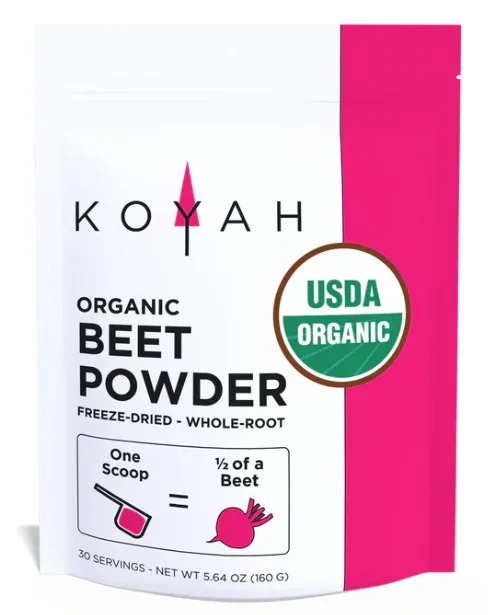
One scoop of Organic Beet Powder equals half a whole beet — 182 beets a year from one simple habit. No peeling. No cooking. No waste.
Beets are rich in nitrates, supporting circulation, endurance, and energy. Freeze-drying preserves antioxidants like betalains, giving the body what makes beets special without the mess. Not flashy. Just effective.
Small Habits, Massive Nutritional Wins
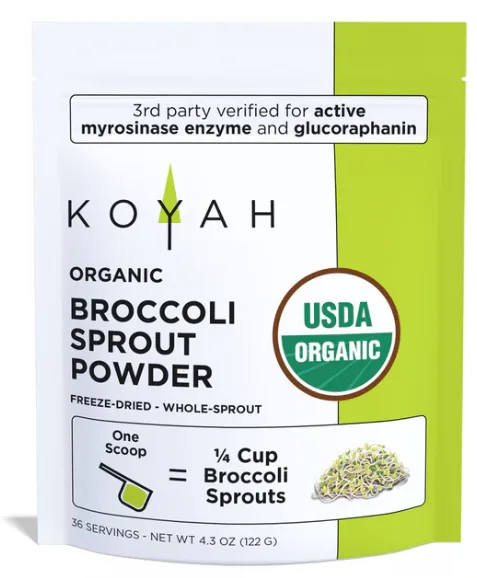
One scoop of Organic Broccoli Sprout Powder equals ¼ cup of fresh sprouts — 91 cups a year when used daily.
Broccoli sprouts contain glucoraphanin, the precursor to sulforaphane, studied for detoxification, immune support, and cellular protection. Freeze-drying maintains potency.
People know they should eat these foods but rarely do — until it becomes easy.
What Customers Say When Food Becomes Simple
Reviews highlight relief:
“I finally feel like I’m getting vegetables even on busy days.”
“My digestion improved without changing everything else.”
“I stopped feeling guilty about skipping produce.”
No miracles. No hype. Just consistency. Parents sneak vegetables into smoothies. Athletes note endurance. Older adults regain energy gradually. The feedback is quiet — just like real nutrition.
Why Packaging Choices Matter Too
Sustainability isn’t a buzzword. Lightweight pouches replace heavy glass or plastic — easier to ship, lower carbon footprint. Customers may not notice, but the planet does.
Food That Respects the Planet It Comes From
Certified organic farming supports soil health, biodiversity, and ecological balance. Regenerative agriculture isn’t just better farming; it’s long-term thinking. The same care applies to real wellness.
A Manifesto Built on Common Sense
Whole food beats extracts. Organic beats synthetic. Added sugar should be zero. Taste matters. Convenience and health coexist. Integrity matters. These aren’t marketing lines; they’re lived values shaped by watching someone you love struggle — and thrive — when nourishment became easier.
Why This Mission Still Feels Personal
Years later, my dad still drinks smoothies most days. Healthier, stronger, present. The habit stuck because it worked with his life instead of demanding perfection. That’s the quiet success story behind everything here.

Who This Is Really For
Busy parents who want to do better.
Caregivers who need simplicity.
People rebuilding health slowly.
Anyone who knows vegetables matter but struggles to eat enough of them.
You don’t need to overhaul your life — you just need a habit that sticks.
Real Wellness Grows Over Time
Like a forest, health isn’t built overnight. It grows through connection, consistency, and support.
When nourishment becomes easier, people don’t have to rely on willpower; they rely on habit.
That’s the difference between knowing what to eat and actually eating it —
and that difference can change everything.