
Understanding Alcohol Absorption: Impact on Health and How to Mitigate Its Effects
Alcohol absorption begins in the stomach and small intestine, where it quickly enters the bloodstream and is transported to the liver for processing. This article will help you to understand this process better and how you can mitigate the effects of alcohol by eating strategically.
Eating certain foods when drinking can slow down and reduce the absorption of alcoholand reduce some of the negative effects. Additionally, staying hydrated and supplementing with antioxidants and vitamins may improve liver function and minimize alcohol-induced oxidative stress.
We will explain the intricate aspects of how alcohol is absorbed and the consequences for your health. We will also discuss practical tactics and nutritional options for managing alcohol’s effects and promoting overall well-being. Understanding these characteristics can allow you to make better judgments about alcohol intake and safeguard your health.

How Food Affects Alcohol Absorption: Key Strategies for Managing Your Exposure
When it comes to how diet affects alcohol absorption, there are certain important details to consider. Alcohol is absorbed primarily in the stomach and small intestine. In the stomach, alcohol is slowly absorbed and digested by enzymes found in the lining. In contrast, once alcohol enters the small intestine, it is swiftly absorbed with no metabolism occurring. To decrease or slow alcohol absorption, your goal should be to keep the alcohol in your stomach as long as feasible.
Here, food plays an important role. Drinking alcohol on an empty stomach allows it to quickly pass into the small intestine, where it is absorbed more rapidly. Eating food before or during drinking, on the other hand, slows stomach emptying, allowing the alcohol to stay in the stomach longer and be metabolized. This system, called gastric first-pass metabolism, both lowers the pace at which alcohol is absorbed into the bloodstream and reduces the total amount absorbed.
[restrict]Consuming food while drinking is essential for properly slowing alcohol absorption. Ideally, consuming a large amount of food—500 calories or more—before or during the initial phases of drinking will have a major impact. However, if you do not want to consume many calories, picking foods that are more efficient at delaying stomach emptying is vital. Not all foods are equally effective; simple carbohydrates, such as sugary snacks, are less effective at slowing alcohol absorption. Foods higher in fat, protein, and fiber are better choices. For example, cheese (especially low-fat, high-protein options like cheese sticks), nuts, and beans (such as bean dip or hummus) are excellent choices. Consuming 200-300 calories of these items has a considerable impact on alcohol absorption when compared to eating nothing at all.
Remember that eating before or while drinking works best. Once alcohol has entered your small intestine, it is too late to considerably reduce its absorption. Eating after you’ve been intoxicated may feel nice, but it will have little influence on your blood alcohol level. To better manage the effects of alcohol on your body, plan ahead of time and eat before drinking.
The Effects of Alcohol on Your Health
Short-Term Effects
Alcohol impairs judgment and coordination, raising the risk of accidents. It acts as a diuretic, causing dehydration and increased urination. Alcohol can irritate the stomach lining, leading to nausea, vomiting, and abdominal pain. After drinking, you may have hangover symptoms such as headaches, lethargy, and sensitivity to light and sound. Alcoholic drinks tend to be high in calories and drinking is often accompanied by weight gain.
Long-Term Effects
Chronic drinking can lead to substantial liver damage, including fatty liver, alcoholic hepatitis, fibrosis, and cirrhosis. It can raise the risk of heart disease, including high blood pressure, cardiomyopathy, arrhythmias, and stroke. Long-term drinking can worsen mental health issues and lead to alcohol dependence.
Alcohol intake is linked to an increased risk of cancer. It can weaken your immune system, making you more susceptible to infections, and interfere with the absorption of essential nutrients.
What are the Signs of Liver Damage from Alcohol?
The symptoms of alcohol-related liver damage vary according to the severity. Early warning indications include stomach pain or discomfort, which usually occurs on the upper right side of the abdomen. Persistent nausea and vomiting are also classic signs that something is wrong with your liver. You may also suffer extraordinary weariness, feeling fatigued or weak even after resting, and a decrease of appetite, which could result in considerable weight loss.
As liver disease worsens, you may notice increasingly severe symptoms. Jaundice, which causes yellowing of the skin and eyes, arises when the liver is unable to adequately handle bilirubin. Swelling, or edema, in the abdomen (ascites) or legs can result from fluid buildup. Additionally, easy bruising or bleeding may occur due to the liver’s reduced ability to produce clotting factors, and your urine might become darker due to increased bilirubin levels.
Where significant liver damage is suffered, symptoms can worsen. Hepatic encephalopathy or toxin buildup in the brain, can cause confusion, memory problems, and behavioral issues. A physical exam may reveal an enlarged liver or spleen, as well as spider angiomas on the skin.
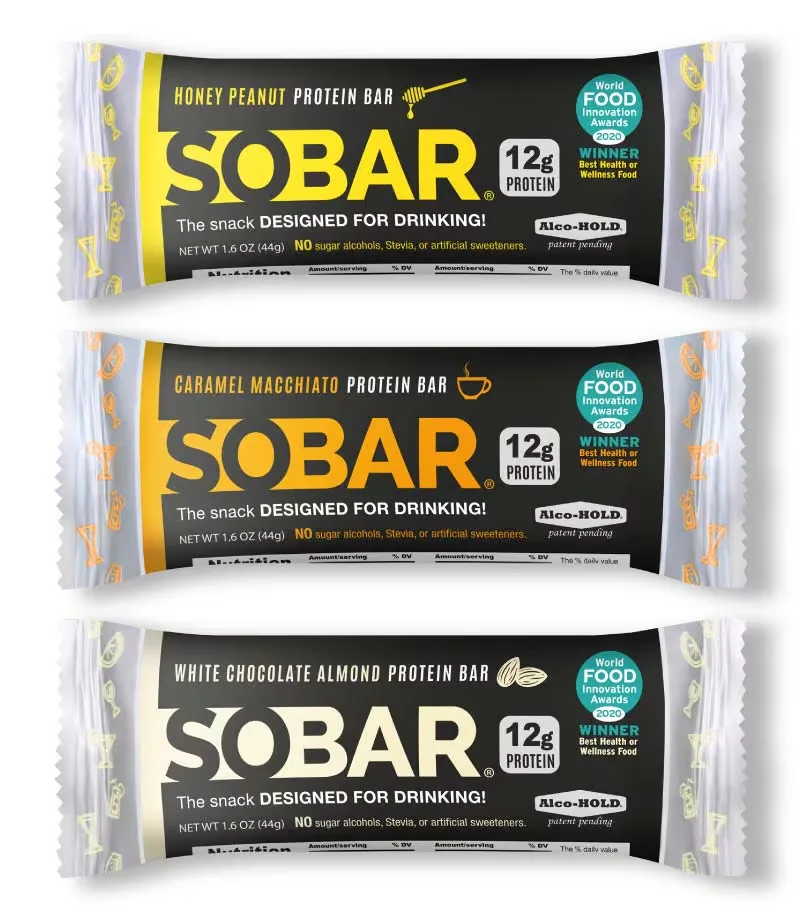
SOBAR
Alcohol is the world’s most widely used drug, with over 2 billion consumers. Despite its normalization, alcohol is a major contributor to health issues, premature death, violence, and accidents globally. Promoting responsible alcohol consumption is a significant societal challenge and crucial for individual wellness. Eating food helps control alcohol’s effects by promoting its metabolism in the stomach and slowing its absorption. Before SOBAR, no food was optimized specifically for this purpose.
SOBAR introduces a groundbreaking solution with its patented Alco-HOLD technology. This technology holds alcohol in the stomach more efficiently per calorie compared to conventional foods, offering greater control over alcohol absorption. SOBAR is the world’s first food developed to reduce alcohol absorption efficiently. It is a delicious protein bar designed to help consumers drink smarter, reducing alcohol absorption twice as effectively per calorie compared to other foods.
SOBAR represents a significant innovation in functional food, addressing a critical public health need. It is the only food clinically tested and validated to reduce alcohol absorption effectively. In a randomized human trial, consuming 210 calories of SOBAR before drinking two standard drinks cut alcohol absorption by 50%, twice as much per calorie compared to control foods. This trial’s results were published in a peer-reviewed journal.
Invented by Dr. Joseph Fisher, MD PhD, a Stanford-trained medical scientist. Alco-HOLD technology was validated in a clinical trial and, after a beta launch in 2020, SOBAR won the World Food Innovation Award for Best Health or Wellness Food.
It was deemed a “game-changer” by FOOD & WINE magazine and got a SOFI Gold Award from the Specialty Food Association in 2021. Recent accomplishments include obtaining a US patent for its unique technique and collaborating with Ambev S.A., South America’s largest beer maker. Although SOBAR is no longer available in the United States as a direct to consumer product the technology is being licensed worldwide for the manufacture of similar “smart-drinking” snacks.

Control: Managing Alcohol Absorption and Enhancing Health with Smart Choices
Understanding how alcohol is absorbed and its effects on your health is essential. Alcohol absorption begins in the stomach and continues in the small intestine. Alcohol’s rapid absorption can lead to a number of health issues.
[/restrict]