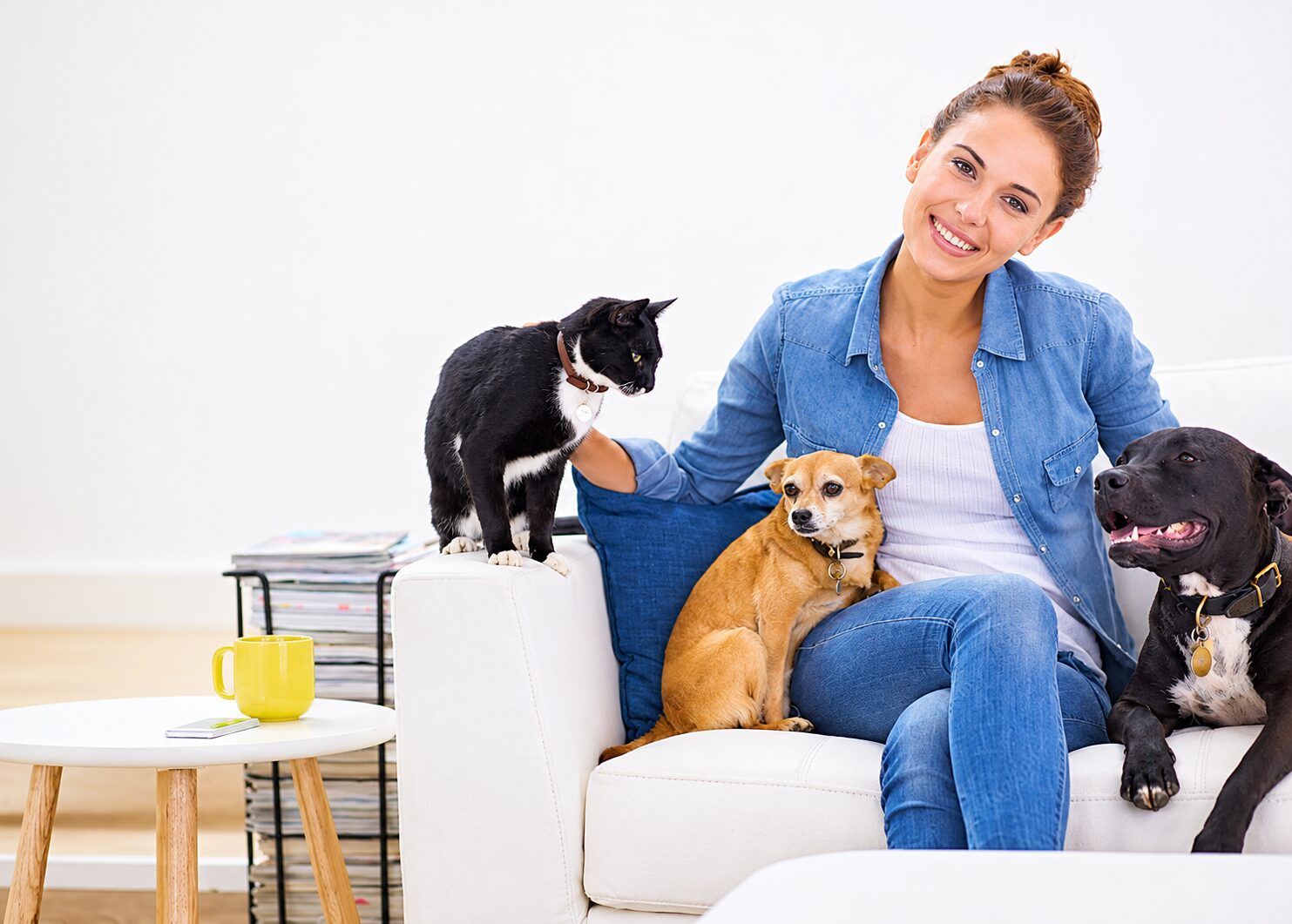

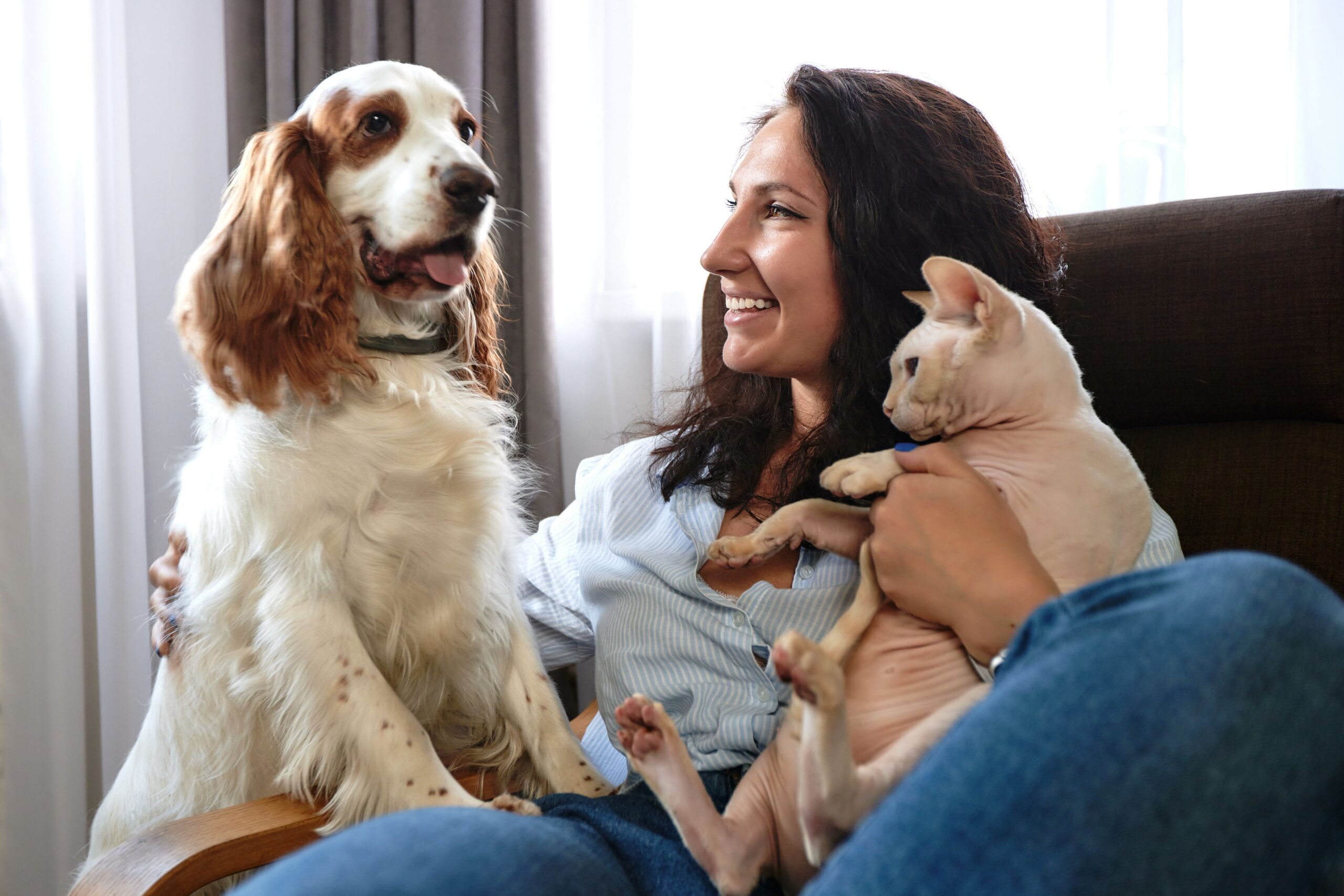
Sitting on a Saturday morning, enjoying the sun in the garden, and playing with your dog, Fido, when something small catches your eye. You have thrown its ball across the lawn a thousand times before, and it has always been an easy find. This time, your dog takes a few moments longer to spot it. Perhaps the sunlight is falling at an awkward angle, or maybe your dog is simply distracted. You don’t give it much thought until a few days later when you notice him hesitating before he steps down from the patio. Nothing in particular seems amiss, but something about Fido’s behavior is different.
Why Your Pet’s Eye Health Matters at Every Age
Your dog’s or cat’s vision plays a major role in how it perceives the world. Eyesight is vital to its ability to recognize people, move around the house, track movement, and judge distances when jumping or playing.
Although eye problems are generally something associated with older animals, eye health should be considered at all stages of an animal’s life. A young animal can have an eye injury, infection, or an inherited condition. As an animal ages, the structures which are responsible for good vision can change.
As your companion gets older, you may begin to notice that they are less confident in new environments or take longer to find a toy. That’s not necessarily an indication of significant vision loss, but it is something you should be aware of. Even small changes in behavior can be indicative of your pet’s eyesight or eye comfort being compromised in some way.
Including eye health in your regular preventative care routine helps you become more familiar with what is normal for your animal. That familiarity makes it easier to recognize when something changes.
Understanding Age-Related Eye Changes
Aging affects all parts of the body, and the eyes are no exception. That said, not every visible change means that your pet is developing a serious eye condition.
One thing to be aware of is cataracts. These occur when the normally clear lens of the eye becomes cloudy, and light is no longer able to pass through it. The effect on vision will vary depending on the size of the cataract and how far it has progressed. Cataracts can interfere with vision and, in more advanced cases, cause significant visual impairment. They are more commonly seen in older animals but can also occur in younger animals as a result of genetics, diabetes, trauma, or other conditions.
Another common change in older dogs is nuclear sclerosis. This is a normal age-related change in the lens and can give the eyes a bluish-grey appearance. It’s very different to a cataract and in most cases has very little, if any, effect on vision. The two can look very similar to an untrained eye, which is why a veterinary examination is important before drawing conclusions about what you are seeing.
The distinction between these age-related changes is something veterinarians encounter regularly in clinical practice. Dr. James Carlson, veterinarian at Riverside Animal Clinic, shares his observations on the importance of lens clarity and ocular comfort:
“In my clinical experience, I’ve seen what I call the three C’s: clarity, clearness, and comfort. With OcluVet, I’ve observed improvements in lens clarity and overall ocular comfort, including encouraging results in patients experiencing lenticular sclerosis and cataracts.”
— Dr. James Carlson, Veterinarian, Riverside Animal Clinic
Cloudiness can also be due to problems with the cornea, inflammation, or other eye conditions. Redness, excessive tearing, and discharge are all signs of irritation, infection, or an underlying problem that needs appropriate attention.
Understanding these differences helps you avoid assuming that every cloudy eye is simply a consequence of getting older. A change in appearance is a reason to investigate, not a diagnosis in itself.

The Signs of Vision Problems You Shouldn’t Ignore
Animals are incredibly adaptable. If their eyesight is gradually changing, then they can compensate by using their other senses to a much greater extent. Your dog may learn to get around a room he knows by memory and smell, or your cat may become more wary of jumping or exploring in an unknown environment.
This adaptability can make vision problems very difficult to detect until they start to actually impact everyday activities.
Pay close attention if your pet starts bumping into furniture, hesitating on the stairs, or having difficulty finding food and toys that used to be easy for them to find. You may also notice a change in the way your pet moves around the house, particularly in the dark or in a new environment.
The eyes can also give you some additional clues. Look out for any unusual cloudiness, changes to the pupil, persistent redness, excessive tearing, or discharge. Squinting, pawing at the face, or keeping one eye shut are all signs of discomfort.
It’s important not to wait for several symptoms to present before seeking advice. Sudden vision changes, eye pain, significant redness, an injury, or an eye that is unexpectedly cloudy all require prompt veterinary attention. Some eye conditions can progress very rapidly, and early professional assessment may make a real difference to the treatment that is available.
Why Regular Veterinary Eye Examinations Matter
You can learn a great deal by just observing your pet, but looking at its eyes at home is no substitute for a full professional examination. Some conditions are simply not detectable without the right equipment, and there can be a number of different underlying causes for what may appear to be a fairly straightforward set of symptoms.
Regular veterinarian visits provide an opportunity to look at your pet’s eyes, discuss any behavioral changes, and identify potential concerns or issues. The veterinarian can examine the lens and the other eye structures, can tell the difference between normal age-related changes and disease, and can then advise whether further investigation or treatment is required.
Your observations are valuable. If you’ve noticed that your dog no longer follows moving objects as easily or that your cat seems reluctant to jump onto familiar surfaces, mention it during the appointment. Small details about changes in behavior can help your veterinarian understand what is happening.
A More Proactive Approach to Pet Eye Care with OcluVet
As awareness of companion-animal eye health increases, specialist products are increasingly becoming part of the conversation around preventative pet wellness.
Founded in 2005, OcluVet has a long-standing reputation in the field of veterinary eye care, having originally distributed its products through veterinary clinics before making them available directly to pet owners across the United States. The brand’s aim is to make specialist, science-based eye care more accessible while encouraging pet owners to take a more proactive role in their pet’s eye health.


This philosophy is central to OcluVet’s approach to developing pet eye-care solutions. As Jeff Melamed, Ph.D., CEO of OcluVet, explains:
“I’m a huge proponent of modern medicine and firmly believe in its importance. At the same time, I see tremendous potential in science-backed, naturally occurring compounds. At OcluVet, we’ve spent over 20 years developing innovative eye-care solutions, combining 2% N-acetyl-L-carnosine, antioxidants, and targeted nutritional support to help maintain pets’ eye health.”
— Jeff Melamed, Ph.D., CEO, OcluVet
One of its key products is OcluVet Eye Drops, which contain a distinctive 2% N-Acetyl-L-Carnosine (NAC) formulation. NAC is a stabilized form of carnosine and has been the subject of research for its potential as an antioxidant in the eye. Oxidative stress is one of the processes that are involved in aging, making antioxidant support an important area of ongoing research into the health of the eye’s delicate structures.
The formula also contains L-carnosine, L-glutathione, L-cysteine ascorbate, riboflavin (vitamin B2) and taurine. These are all complementary ingredients which add to the antioxidant focus of the product and are intended to support ocular clarity and the eye’s own antioxidant defenses.
The preservative-free, non-irritating formulation is intended for comfortable daily use and is made in the USA. Its development reflects OcluVet’s emphasis on specialized topical eye care rather than treating eye health as an afterthought in a pet’s general wellness routine.

OcluVet also have OcluVet VisionChews which are a daily nutritional eye supplement for both dogs and cats. These are soft, chicken liver flavored chews and provide another practical way of delivering eye support into your pet’s daily regime, particularly if you find it difficult to get them to take the eye drops. The formula contains Antarctic krill which is a natural source of omega-3s, lutein and astaxanthin for antioxidant support and choline and glutathione. It’s a very targeted blend of ingredients to support general eye health and general well-being.
Available in different sizes for dogs and cats, they’re a very easy way to deliver the nutritional support into your pet’s diet. They are intended to be used in conjunction with the topical eye care, not as a replacement for it, and are a useful addition to your regime if you’re taking a more proactive approach to your pet’s vision and general health.
Making Eye Health Part of Everyday Care
Looking after your pet’s eyes doesn’t necessarily involve any complicated regimen. It starts with observation. Notice whether your companion moves confidently through familiar spaces, whether its eyes appear comfortable, and whether its behavior changes over time. Keep routine veterinary appointments and seek advice whenever something seems unusual.
Your pet gives you countless opportunities to understand what it needs through how it moves, plays, and interacts with you. Paying attention to its eyesight is another way of returning that care.
Remember that afternoon in the garden when your dog took a bit longer to find its ball? It may have been nothing at all, but the point is that noticing that moment is important. In some cases, the first step to protecting the familiar sights that make your dog’s world feel like home is simply knowing what to look for.