
You probably never give any thought to your physical strength when everything is going as it should. You carry the groceries inside, lift a suitcase into the car, climb a flight of stairs, or spend an afternoon working in the garden without giving these activities a second thought. Those moments are just part of the average day. The moment something that one felt effortless starts to require more effort, you begin to appreciate just how much you depend on your physical strength.

Why Maintaining Muscle Matters as You Age
Muscle does considerably more than help you lift weights or maintain a particular physique. It’s essential for all day movement, balance, posture, and the ability to carry out the basic daily activities. Strong muscles also contribute to metabolic health and help you remain active as you get older.
Sarcopenia, or age-related muscle loss, is a very real thing and one of the key considerations in healthy aging. The rate at which it progresses will vary from person to person, but the end result is that declining muscle mass and strength can make everyday activities more challenging. You may find that carrying shopping bags is more difficult, getting up from a low chair is more of an effort, and you tire more easily when doing the things you used to do with ease.
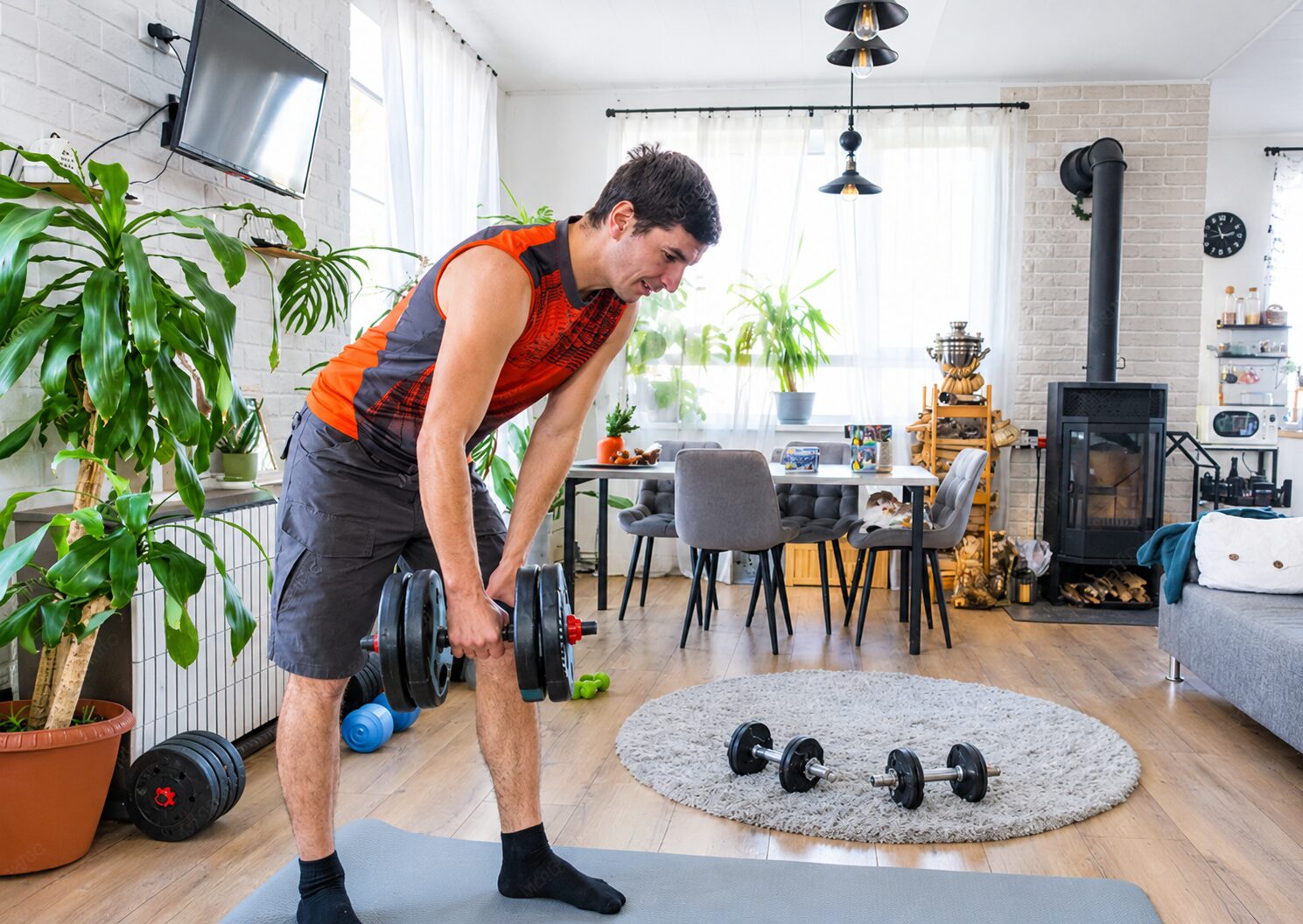
Protein is vital for muscle because it supplies the amino acids your body needs to build and repair muscle tissue. As you get older, the importance of paying attention to protein intake becomes even more pronounced. That said, eating sufficient protein is only one side of the coin. You also need resistance exercise to provide the stimulus that your muscles need to maintain strength, and adequate recovery for your body to adapt.
Rather than waiting until you’ve got a significant drop in physical ability, it’s far more sensible to establish nutritional and movement habits that will support muscle health throughout your life.

Making Protein Intake More Practical
Knowing that protein is important is one thing; actually getting enough of it is quite another. You may have a balanced evening meal but start the day with very little protein, or find that busy schedules leave little time to prepare nutritious meals. Appetite can change with age, making it difficult to meet your protein requirements.
This is where a convenient protein source can become useful. Healthy Aging Labs 100% Whey Protein Isolate is a simple way to add protein to your daily routine without the need for any complex meal preparation.
Each serving provides 22g of complete protein, including all 9 essential amino acids, and is naturally rich in the branched-chain amino acids (BCAAs), including leucine, which is important in the stimulation of muscle protein synthesis.
The isolate format is worth understanding. Whey protein isolate is whey that has undergone further filtration to concentrate the protein and remove most of the fat and lactose that you might find in less filtered whey products. It’s a convenient, concentrated protein source that you can easily incorporate into your diet.
The vanilla-flavored powder is sweetened with stevia rather than sugar and can be used mixed into water or milk. It can also be blended into a smoothie or stirred into your oatmeal as a protein-rich breakfast option.
Collagen: Another Part of the Healthy Aging Conversation
Muscle maintenance is a major consideration, but it’s by no means the only thing that changes as we age. Your body is also reliant on a network of connective tissues that provide the structure and support that it needs.
Collagen is by far the most abundant protein in the human body and is a key structural constituent of skin, bone, tendon, ligament, and other connective tissues. It’s essentially the “framework” protein that helps to hold things together and give them their structure and function.
Your body’s natural collagen production changes with age. This is one reason collagen has become an increasingly discussed subject in nutrition and healthy aging research. It is particularly relevant when considering skin structure, connective tissue, and the nutritional factors that contribute to overall physical resilience.
However, collagen and whey are not interchangeable. Whey is a complete protein containing all nine essential amino acids and is useful in the context of supporting muscle maintenance. Collagen has a very different amino acid profile and is particularly high in glycine, proline, and hydroxyproline.

A Convenient Way to Include Collagen Peptides
Healthy Aging Labs Grass-Fed Hydrolyzed Collagen Peptides Powder is another way of looking at your daily nutrition.
Sourced from grass-fed bovine collagen, the product contains hydrolyzed collagen peptides. Types I and III are the collagen types most commonly associated with skin, bone, and connective tissue. Hydrolysis is the process of breaking down the collagen into smaller peptides, so you end up with a powder which is very easy to mix into your daily drinks and food.
Its unflavored formulation makes it easy to incorporate without altering the taste of the drink you are already enjoying. You can add it to water, coffee, smoothies, or protein shakes, allowing it to become part of your normal routine rather than another wellness task.
The appeal is in the simplicity: no added sugars, artificial flavors, or sweeteners, just a concentrated collagen ingredient.
Research into collagen supplementation is ongoing with a view to its potential benefits in the areas of skin hydration, skin elasticity and certain aspects of joint health. Findings are promising in some areas, although results vary and supplementation should not be viewed as a treatment for joint conditions or a guarantee of visible changes.
Healthy Aging Is About More Than Supplements
Protein and collagen can both have a role in a sensible nutrition plan, but neither of them works in a vacuum. Maintaining physical function is about a range of day-to-day habits that support the body from different angles.
This perspective is at the heart of Healthy Aging Labs, a company that is built around the idea of making healthy aging understandable, actionable, and achievable. It’s not about selling products. It’s about taking the credible science and translating it into information that enables you to make more informed decisions about your own health.

It’s structured around the Five Pillars of Healthy Aging: Nutrition, Hydration, Movement, Recovery, and Cognition and Emotional Well-being. Together, these pillars recognize that feeling well and staying independent is about more than what you eat. Balanced nutrition provides the essential building blocks. Hydration is important for normal bodily function. Regular movement is key to maintaining strength and mobility. Recovery time is essential. Equally important to your overall quality of life is looking after your cognitive and emotional well-being.
Healthy aging is not about trying to achieve some impossible version of youth or expecting a supplement to turn back the clock. It’s about knowing what your body needs and making the right choices to support it as you get older.
The next time you are carrying those shopping bags or walking up a flight of stairs without taking a break, you might appreciate the strength that’s behind an activity you used to take for granted. Preserving that everyday capability is a meaningful reason to pay attention to your nutrition, so you can continue enjoying the independence and freedom of movement that make life fulfilling tomorrow.