

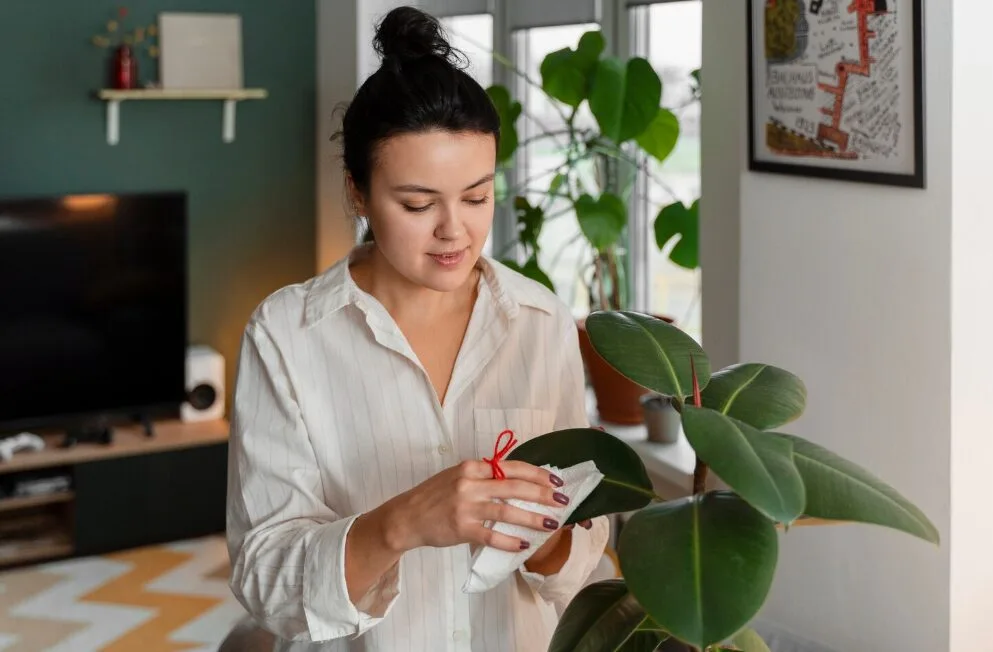
You find the plant cutting in a glass on the kitchen windowsill three weeks after you put it there. You had meant to move it into soil. You had even chosen the pot: small, terracotta, sitting empty beside the sink, but days became other days, and the cutting remained in its water. When you finally notice it properly, there are roots.
The strange thing is that something has been happening while you were not paying attention.
When it comes to your body, not everything arrives as a crisis. Some changes happen in increments so small that they only become obvious in retrospect. A shoulder sits differently. A joint takes longer to loosen in the morning. Switching off after a demanding day becomes harder, and sleep no longer feels quite as restorative as it once did.

Long-Term Well-Being Begins Before the Emergency
Looking after long-term health can sound like a distant project, something measured in decades and biomarkers and increasingly elaborate routines. There is another way to think about it: as the accumulation of small decisions made long before there is a reason to make them urgently.
That is the space Bon Air Botanicals is interested in. Founded by community herbalist Norah Hazelgrove in Bon Air, Virginia, the apothecary is built around the idea that care can be part of ordinary life rather than something reserved for the moment when something goes wrong.
Its approach grew from Hazelgrove’s own changing understanding of health. Her earlier career was spent in the corporate world, including operations and strategy for a payments company and brand and content work for a major bank, before her attention increasingly moved towards yoga, energy work and herbalism. She is now training as a clinical herbalist.
The connection between those worlds is more interesting than the career timeline itself. Operations is, at its simplest, about understanding how different parts of a system work together: what happens consistently, what gets overlooked and what needs attention before it becomes a larger problem.
It is an interesting lens for thinking about the body, where small things can be overlooked precisely because they are small.
Bon Air Botanicals brings that perspective into an apothecary of small-batch herbal preparations, where plants and everyday routines sit alongside a longer view of care. It is not presented as an alternative to conventional medicine, nor as an answer to everything the body might encounter. Instead, the apothecary occupies the quieter space alongside it: the routines, plants and moments of attention that can become part of how someone looks after themselves over time.

Herbal Support for Stress, Rest and the Nervous System
You probably know the feeling of being tired without being able to switch off. The day is technically finished, dishes are done, your laptop is closed, and the lights are lower, yet your mind continues moving.
You can lie down without actually resting.
This is where herbs such as oatstraw have traditionally entered Western herbalism. Oatstraw, or Avena sativa, has a long history of use as a nervine herb, traditionally associated with nervous system support and periods of rest.
Bon Air Botanicals’ Oatstraw Tincture takes that traditional herb and puts it into a liquid preparation that doesn’t require you to brew tea each time you want to take it. The 60 ml tincture contains oatstraw and 100-proof alcohol. Bon Air Botanicals describes it as a gentle nervine tonic intended to soothe frayed nerves without causing drowsiness, while supporting focus, mood and mental energy.
Those claims need some context. The product page states that its statements have not been evaluated by the FDA and that the tincture is not intended to diagnose, treat, cure or prevent disease. It also advises consulting a healthcare professional where appropriate.
That caveat is not separate from the larger conversation. Plant-based care does not have to mean pretending conventional medicine does not exist. A more thoughtful version of herbalism can hold traditional knowledge, contemporary research and individual circumstances in the same conversation.
The Joints Tell a Different Story
Stress can be difficult to locate. Joint discomfort tends to be specific. You know which fingers feel different when you wake and the particular sensation of getting up after sitting for longer than expected.
Movement is woven into almost everything you do, so small changes can become surprisingly consequential. Not every change in movement means something is wrong, but changes that persist are worth noticing rather than automatically working around. You might not think of mobility as a longevity practice when you are younger. Later, it becomes clearer that movement is how ordinary life gets done. The aim is not to wait until discomfort has already begun deciding what you will and will not do.
That same attention can extend to the places where movement begins to feel different. Bon Air Botanicals’ Arthritis & Joint Relief Oil is a 60 ml topical preparation made with Helichrysum, Devil’s Claw and White Willow Bark.
The body deserves attention before discomfort becomes the only reason you listen.

The Appeal of the Apothecary Is Also the Appeal of Slowness
Herbalism is somewhat intimate. You grow something, harvest it, learn what it is and where it came from, make something from it, and use it as part of a routine. That rhythm is almost the opposite of the modern health marketplace, where the newest answer can appear before you have finished understanding the previous one.
Bon Air Botanicals reflects that slower sensibility in its sourcing practices. Many herbs are grown in Hazelgrove’s own Virginia home garden, while other botanicals are sourced through biodynamic, organic and wildcrafted suppliers. It prioritizes smaller farmers using regenerative agricultural practices and considers the status of at-risk plants and regions when sourcing.
The details matter because the plant does not begin at the bottle.

The Healthiest Habit May Be Paying Attention
You may never know the exact day when ageing begins to feel different because there probably is not one. There are only small moments: a restless night, stiff fingers, the feeling that your body has been asking for something you have not yet learned to hear.
An oatstraw tincture cannot turn time backwards, and an herbal oil cannot make every joint behave as it did years ago; no plant can remove the uncertainty that comes with being human.
You think again about the cutting on the kitchen windowsill. For weeks, you barely noticed it. Still, underneath the water, something was happening. A few pale roots had begun to appear. The change was small enough to miss and persistent enough to matter.
You do not always see the growth while it is happening. You simply keep paying attention.