
The conditioner bottle had been turned upside down for so long that nobody remembered putting it there.
It was balanced, rather precariously, on its cap in the corner of the shower, the last of the conditioner slowly making its way towards the opening. Beside it stood a shampoo bottle with perhaps three washes left in it, an older bottle that had been replaced but never quite thrown away, and a small travel-sized shampoo that had survived several holidays and was still waiting for its next one.
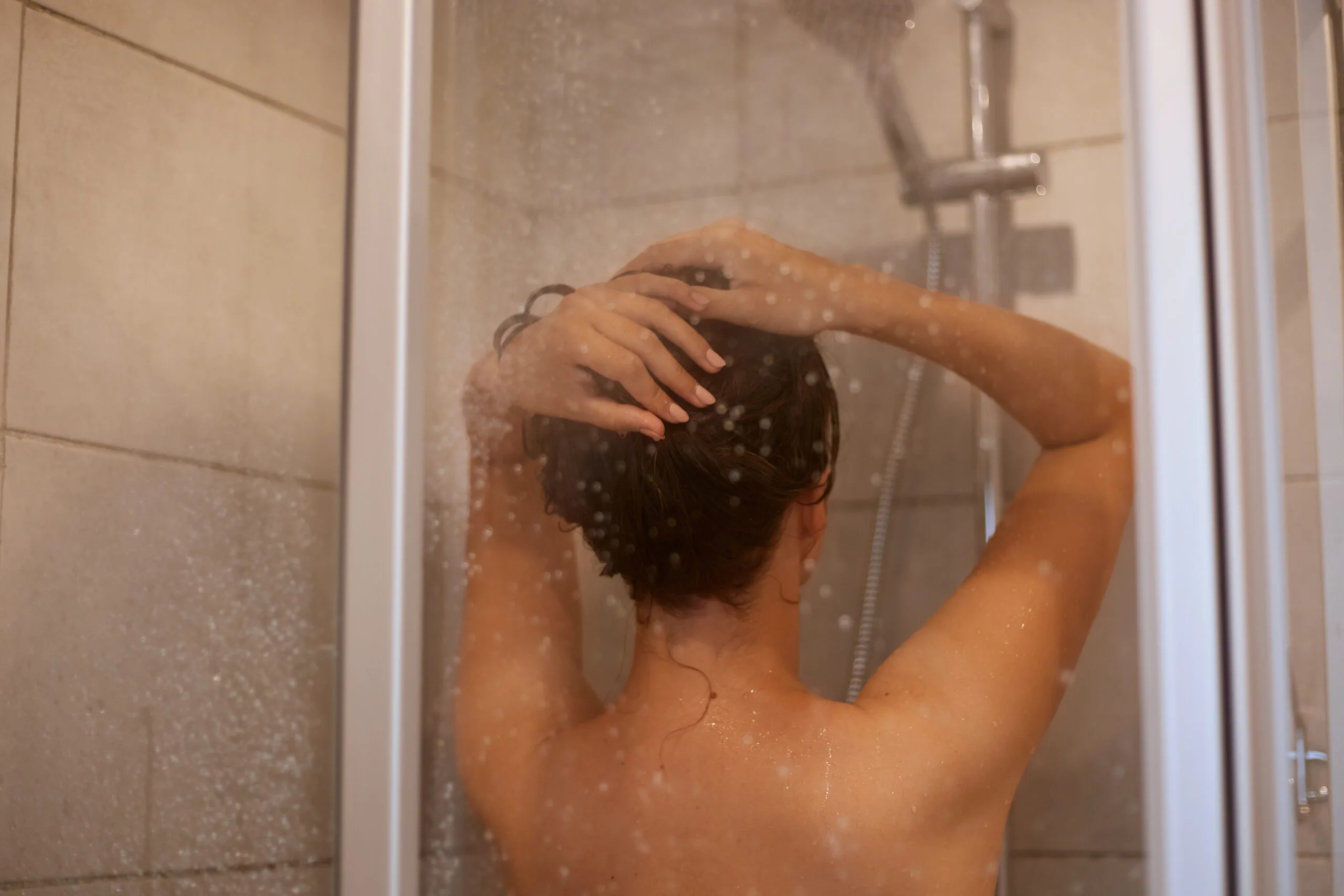
Every time she showered, these bottles were moved just enough to make room for a hand, a razor, a face wash. They were nudged aside, knocked over, and stood back up again. The conditioner was squeezed harder each time. The shampoo was tilted to one side when it began running low. Empty bottles lingered because there was always something left in them, even if “something” meant another two weeks of trying to get the last reluctant drops out.
At some point, washing your hair had become a routine of managing things.
This is one of those small domestic habits that says more about modern self-care than we might expect. We are surrounded by products designed to make everyday life feel better, cleaner, healthier, and easier. Yet somewhere along the way, the idea of taking care of ourselves became entangled with having more things to take care of.
The bathroom shelf is a particularly good place to see it. There is the shampoo for ordinary days and the one bought for a different hair concern. There is conditioner, perhaps a mask, perhaps even an oil. Products kept because they were expensive and might come in useful, or simply because throwing something away while there is still a little left feels wasteful.
What if self-care did not always mean adding something to the shelf? What if, occasionally, it could mean taking something away?

Who Said It Had to Be Liquid?
Making the routine lighter doesn’t require giving it up or doing it differently altogether. Sometimes it simply means questioning the things we’ve always assumed belonged there. Hair care is one of those rituals that can be reconsidered without becoming complicated. Perhaps, in the process, there is a little less unnecessary waste along the way.
That question sits at the heart of Starklin Hills, an Arizona-based, mother-daughter owned small business founded by Shelly and Jessica. Their starting point wasn’t the search for another shampoo to add to an already crowded bathroom. It was a more fundamental question: why did everyday hair care have to arrive in a bottle at all?
The question had a personal beginning. After dealing with ongoing scalp-related concerns, Shelly had struggled to find hair care products she felt comfortable using. Rather than simply choosing from what was already available, she and her daughter began looking more closely at the ingredients, the formulations and, eventually, the format itself.
What followed was less about inventing an entirely new hair care ritual than reconsidering a familiar one. They began researching, formulating and testing solid versions of the products they wanted to use themselves, paying attention not only to what went into the formulas but to how the bars behaved in an actual shower.
A shampoo bar can sound like a novelty when it is described only as an alternative to a bottle. In practice, it is a different answer to the same everyday task.
The first time you pick one up in the shower, there is a brief moment of uncertainty: how, exactly, is this supposed to work? After years of reaching for a bottle, squeezing it, turning it upside down when it gets low and putting it back on the shelf, the solid format asks you to learn a slightly different movement.
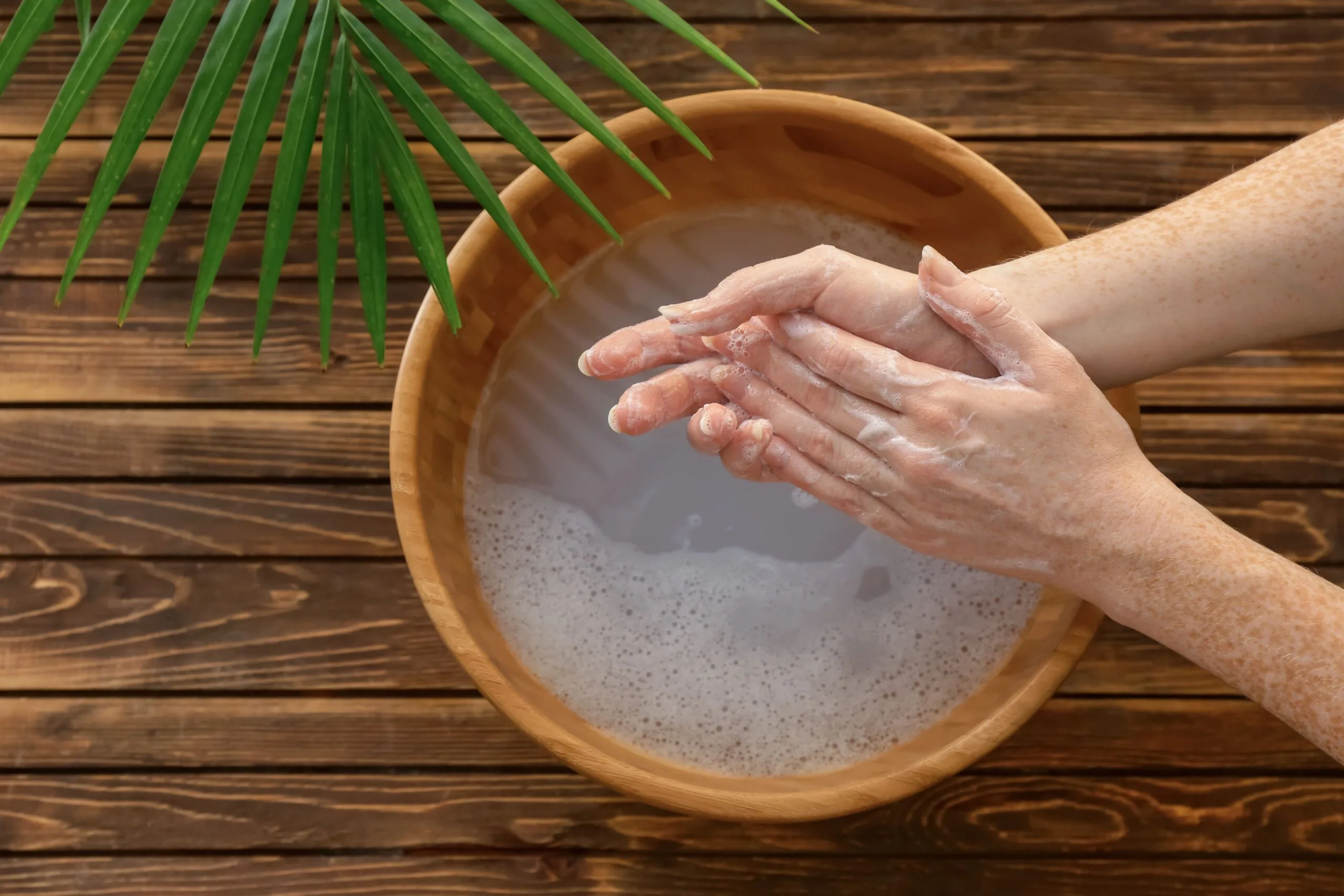
Wet it. Work it through the hair. Rinse it away. It takes a moment to stop expecting the bottle.
Less Bottle, Less Baggage
Sustainability in a bathroom is rarely as simple as the claim printed on a label. Packaging is only one part of the equation, but removing something that is repeatedly used and replaced can still be a meaningful place to start.
A bar takes up much less space in the shower, and there is no need to worry about whether the bottle will leak into your bag when you’re traveling.
Because the product is activated with water rather than stored as a liquid, the bar can be allowed to dry fully between uses, which may help extend its life. How long it lasts will still depend on factors such as hair length, washing frequency and how it is stored.

The Ritual, Reduced
The Shampoo Bar from Starklin Hills is designed to make the switch from liquid hair care feel less like a compromise. Its plant-based cleansing ingredients are formulated to create a rich, creamy lather once activated with water, whether the bar is worked between the hands first or massaged directly through wet hair. There are several nature-inspired aromas to choose from, as well as a fragrance-free option for those who prefer to leave scent and essential oils out of their routine. Made in small batches in Arizona, the bar also occupies considerably less space than a conventional shampoo bottle. The difference is less about adding a new ritual than removing one more bottle from the old one.

The Conditioner Bars approach the other half of the ritual with a slightly different set of expectations. Shampoo needs to cleanse; conditioner needs to make what comes afterwards easier. The formulas combine ingredients such as jojoba seed oil, mango seed butter, aloe, baobab seed oil and chamomile extract, with the aim of leaving hair softer, smoother and easier to detangle after washing. There is also a fragrance-free option for those who prefer to keep their routine free from added fragrance or essential oils. Like the shampoo, the solid format means there is one less bottle taking up space on the shower shelf or finding its way into an already crowded suitcase.
There is also a small shift in the physical ritual itself. Instead of reaching for a bottle, squeezing, turning it over and putting it back, the movement becomes almost elemental: wet the bar, work it through the hair, rinse, and leave it somewhere to dry. It is not a dramatic reinvention of hair care. If anything, that is the point.

There is something quietly satisfying about reducing a routine by one small thing. Not because every bottle on the bathroom shelf is a problem, or because a simpler routine is automatically a better one, but because occasionally we discover that something we assumed was necessary was simply familiar.
Perhaps that is the more interesting side of self-care. It isn’t always about finding something new to add, another step to perfect or another product to make room for. Sometimes it is about looking at what is already there and asking whether all of it still needs to be.
The conditioner bottle may still end up upside down in the corner of the shower. Old habits rarely disappear overnight. But perhaps the next time you reach for it, you might notice the difference between having what you need and simply having more.
And perhaps that is where a little less baggage begins.