


Every day quietly splits itself in two. The first half runs on plans. Meetings begin when calendars say they should. Coffee is still warm. Emails receive replies. Lunch eventually happens. Then something almost impossible to schedule arrives. The second half no longer belongs to the clock; it belongs to other people. School pickup replaces conference calls. Homework interrupts dinner preparation. Questions arrive before coats even come off. The pace changes, but the expectations don’t.
Curiously, wellness has spent years trying to perfect mornings while largely ignoring the part of the day that asks the most from many mothers. The real challenge isn’t waking up energized. It’s finding enough of yourself left when the evening begins.

The Missing Conversation Is About Transitions
Modern wellness often treats fatigue like an all-day problem. While habits like drinking more water or exercising more certainly carry weight, they don’t explain why someone can feel perfectly capable at 10 A.M. yet emotionally depleted just a few hours later. Energy rises and falls as demand on it changes.
What makes late afternoons uniquely challenging is that the roles of professional, parent, partner, cook, teacher, and chauffeur suddenly collide. That alone requires energy.
Psychologists sometimes describe this as the “switching cost”, the mental effort involved in moving between different responsibilities. Every transition asks the brain to leave one mode of thinking and quickly enter another. By the time dinner arrives, many mothers have already made hundreds of decisions.
The People We Love Get the Leftovers
Few mothers intend to save the smallest version of themselves for bedtime. Yet after a full day of solving problems, making decisions, and meeting deadlines, the people waiting at home often meet someone who has already spent most of her emotional resources elsewhere. That isn’t a failure of love. It’s often a consequence of how modern life distributes attention.
Family life doesn’t usually ask for flawless performance. More often, it asks for presence. A conversation at the dinner table, listening to the details of a school day, or reading one more story before bed all draw on the same emotional reserves that have been stretched since morning. When those reserves are running low, even small moments can feel harder than they should.
The Problem Isn’t Running Out of Coffee
Morning coffee has become almost sacred. Entire rituals are built around it. It serves a purpose beyond caffeine; it creates a moment of calm before the day accelerates. By late afternoon, that same ritual doesn’t always fit. A large dose of caffeine may linger too long into the evening. Energy drinks often feel stronger than necessary for simply getting through homework, soccer practice, dinner, and bedtime.
Wellness Has a Timing Problem
Energy doesn’t necessarily always need to be increased. Sometimes it simply needs to be redistributed. Think about marathon runners. They don’t sprint the first mile because they know they’ll need strength later. Parents rarely have that luxury. They naturally pour enormous amounts of emotional energy into the first half of the day, often without realizing the evening requires just as much. The second shift is less about physical stamina and more about emotional presence.
The Rise of “Micro Recovery”
Many experts are taking a different approach to wellness. They aren’t asking for a lifestyle overhaul, but are exploring the value of tiny interventions that fit naturally into existing routines. Small resets, like micro stretching, performed exactly when they’re needed rather than waiting until the end of the day. Sometimes five minutes is all life allows between school pickup and soccer practice.
A Different Kind of Afternoon Companion
This shift in thinking has encouraged companies to design products around specific moments of the day rather than simply delivering more stimulation. Pocket Focus from Try Lymphaura wasn’t created to replace morning coffee or become another wellness ritual requiring preparation. It was designed around one very specific moment that countless mothers know well, the afternoon wall.
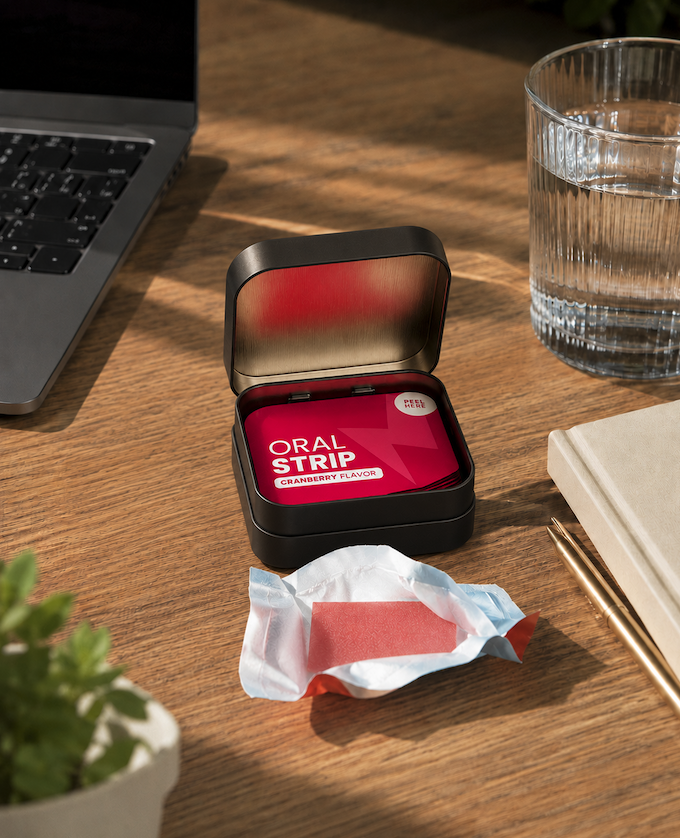
It’s not your average beverage. Pocket Focus is a cranberry-flavored dissolving strip that melts on the tongue in about five seconds without water. Each individually wrapped strip contains 50 mg of caffeine, less than half the caffeine found in many cups of coffee, along with 30 mg of L-theanine and vitamin B12.
L-theanine is commonly paired with caffeine because many people appreciate the balanced feeling the combination may provide. Vitamin B12 supports normal energy metabolism. Perhaps the most practical feature, however, is the format itself. A strip tucked inside a purse, desk drawer, glove compartment, or diaper bag doesn’t require stopping life.
The Real Luxury Is Emotional Patience
Luxury used to mean expensive skincare. Today, many mothers would define luxury as having enough patience left to answer one more question or laughing instead of snapping. It means feeling emotionally available after an already demanding day.
Wellness conversations often measure success in terms of physical performance, but emotional endurance may be even more valuable inside family life.
The Emotional Weather of a Home
Every household has its own emotional weather. Some evenings feel light. Others feel hurried before anyone says a word. Often the atmosphere isn’t created by major events but by dozens of tiny interactions. One calm response can change the tone of an entire night.
That’s why protecting emotional energy isn’t simply a personal goal. It has a ripple effect. A patient answer instead of a rushed one, a laugh during dinner instead of another reminder to hurry, or a few minutes of genuine attention can subtly shape how everyone experiences the evening. These moments rarely make headlines, but they’re often the ones families remember most.

Permission to Need Support
One of the burdens motherhood carries is guilt about working, staying home, needing rest, or wanting help. Many mothers feel guilty about needing support, and even needing a small afternoon reset can become another reason to criticize themselves. Needing support doesn’t mean you are weak, it means you are human.
Pocket Focus doesn’t suggest mothers need to become superhuman. It acknowledges that feeling tired around 3 P.M. is completely normal.
Small Tools Can Have Big Emotional Impact
There is a tendency to assume meaningful wellness changes must be substantial, but some of the most sustainable improvements come from solving one recurring daily problem exceptionally well. What if one small adjustment helped someone feel just a little calmer during homework? A little more patient during dinner? No single product can eliminate fatigue, replace adequate sleep, or remove the demands of parenting. Those foundations remain essential. But practical tools that fit naturally into daily life can support moments when energy starts to fade. Pocket Focus recognizes the hardest part of the day often starts after everyone assumes it’s almost over.
The Future of Wellness May Be Less About Optimization and More About Compassion
Innovation doesn’t always have to help people do more. Sometimes it simply helps them arrive at the second afternoon with a little more of themselves still intact.
Sometimes all you have are a few brief moments.
For moms looking for a measured afternoon reset, Try Lymphaura’s Pocket Focus offers a practical option that aligns with real life rather than ideal schedules. With its individually wrapped dissolving strips, moderate caffeine content, L-theanine, and vitamin B12, it was designed specifically for the hours when morning coffee has worn off but the day’s most emotionally demanding moments are still ahead.
Staying present through the second half of the day is about finding thoughtful ways to protect the energy you still have.