


Some mornings, Lara doesn’t even realize she’s searching for flaws until she’s already standing inches from the mirror, wondering when her skin changed. Dry patches clinging to her cheeks despite layers of moisturizer. The faint shadow of an old blemish that refuses to fade. She wonders what she did wrong this time. Was it the stressful week? The skipped sleep? The new serum everyone swore by?
Most people know that feeling. You catch your reflection, spot one thing that wasn’t there yesterday, and spend the next few minutes wondering whether anyone else will notice it too. Your skin isn’t reacting to just one bad day. It tells the story of hundreds of small moments, recording how you’ve cared for it when life felt manageable and forgotten about it when life became busy.
Many people still have the misconception that your skin wakes up each morning as a blank canvas, ready to begin again. Skin has a surprisingly long memory. Months after a sunburn has faded or a harsh winter has passed, the effects can still linger. One season leaves behind dehydration, another pigmentation, another a barrier that suddenly seems less resilient than it once was.
That’s why so many common skin concerns like acne, rosacea, eczema, hyperpigmentation, dryness, fine lines, sensitivity, and enlarged pores can feel so unpredictable.
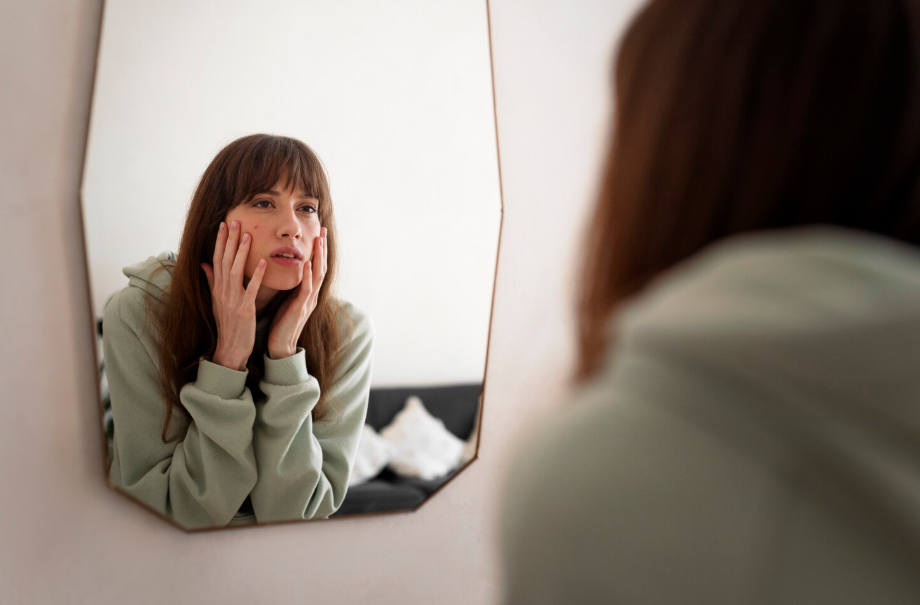
Skin Is More Than What You See
Discussions around modern skincare often focus on appearances, forgetting that beneath the surface, your skin is constantly repairing itself. Cells are replaced, moisture is regulated, and countless naturally occurring microorganisms help keep everything in balance. When that system becomes disrupted, the effects can show up in surprisingly different ways. Persistent dryness, redness that doesn’t fade, sudden breakouts, hyperpigmentation that hangs around long after blemishes heal, and fine lines that seem more noticeable when dehydration sets in. Your sensitive skin becomes reactive to products that once caused no problems.
Why Cleansing Deserves a Second Look
Cleansing is one of the most overlooked steps in skincare because it usually happens without a second thought. It is just something you do each morning, and evening. Effective cleansing influences everything that follows. If cleansing is too aggressive, it may also disrupt the delicate balance of oils and microorganisms that contribute to skin health. If cleansing isn’t done properly, residue, pollution, and excess oil can remain behind.
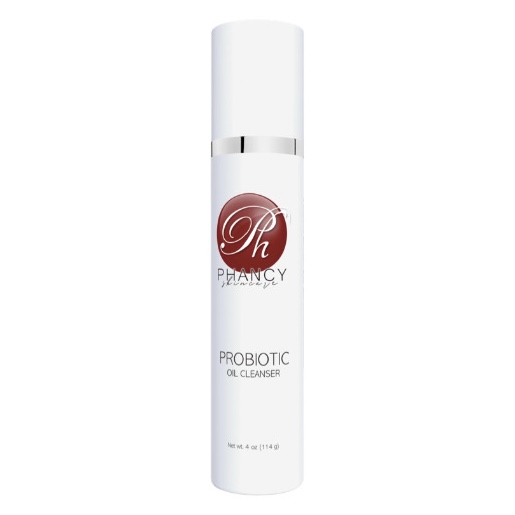
That’s one reason Erin often recommends microbiome-supportive cleansers such as Phiz Spa’s Probiotic Cleansing Oil. Rather than leaving skin feeling tight after washing, it’s designed to remove sunscreen, makeup, and the day’s buildup while respecting the skin’s natural barrier.
Learning to Listen Instead of Correct
Most people don’t notice their skin when it’s comfortable. They notice it when foundation catches on a dry patch, when sunscreen suddenly stings, or when the reflection in a car window looks different from the one at home. Most of the changes people notice in the mirror aren’t tied to one product. They’re usually the result of weeks of small habits repeated without much thought.
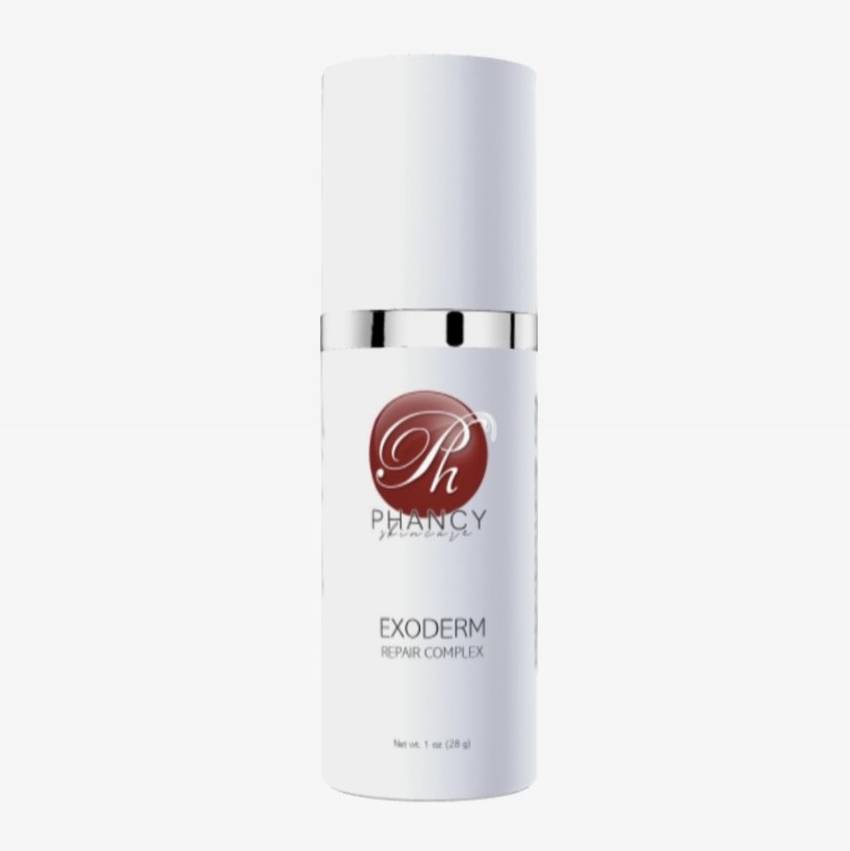
Exoderm Repair Complex, another professional recommendation available through Phiz Spa was developed to support hydration, barrier repair, and overall skin resilience. The formula fits naturally into routines focused on long-term skin health.
When Skin Stops Being the Enemy
At some point, many people stop searching for the next product and start paying closer attention to the patterns. Why does the redness always appear after a stressful week? Why does winter undo months of progress? Those questions often reveal more than another serum ever could.
Some weeks it’s obvious. Cold weather arrives and your skin immediately feels tighter. Other times there’s no clear answer at all. A stressful month, shifting hormones, poor sleep, it can all blur together. Every day it responds to changing conditions, working in the background even when it doesn’t look or feel its best.
The routines that make the biggest difference are rarely the complicated ones. Cleansing gently, protecting the skin barrier, and using products that work with your skin instead of against it may not produce overnight changes. Six months later, it’s easy to forget which morning your skin stopped feeling tight after cleansing. Improvements like that become your new normal.
There is also a certain freedom in letting go of the idea that healthy skin should look flawless every single day. Real skin has texture. It changes with the seasons. It carries freckles from summers spent outdoors, and faint reminders of old blemishes.
The Human Side of Healthy Skin
A teenager worries about acne before school photos. A new parent notices their skin becoming unpredictable after months of broken sleep. Someone approaching menopause suddenly finds products they’ve used for years no longer feel the same. Skin has a habit of changing alongside the rest of life, which is why no routine stays perfect forever.
More Than a Treatment Plan
After 24 years in aesthetics, Erin Molyneaux says the first appointment often has very little to do with products. She asks about sleep, stress, medications, recent travel, and hormonal changes before discussing skincare. Only then does she decide whether a client would benefit from laser therapy, IPL, microneedling, chemical peels, or a simpler routine at home.
Her perspective has helped cultivate long-term relationships with clients who return for treatments, and in some cases just for trusted guidance through different chapters of life.

Confidence Isn’t Created Overnight
A few weeks into simplifying her routine, Lara realized she’d finished brushing her teeth without leaning toward the mirror. It was the first morning in months that she hadn’t checked whether yesterday’s breakout looked smaller.
No single product changed Lara’s skin. What changed was that she stopped expecting one to. There will still be hormonal breakouts, stressful weeks, changing seasons, and days when your complexion doesn’t cooperate, but when your focus shifts from perfection to partnership, those moments no longer define your confidence.
Lara still has mornings when she notices a dry patch before anything else. The difference is that she no longer sees it as proof she’s failed. Maybe that’s why skin can feel so unpredictable. Life changes first. Skin often catches up later. Looking after it is about giving it what it needs to recover, day after day. That may not be the fastest promise skincare can make, but it’s probably the most honest one.