

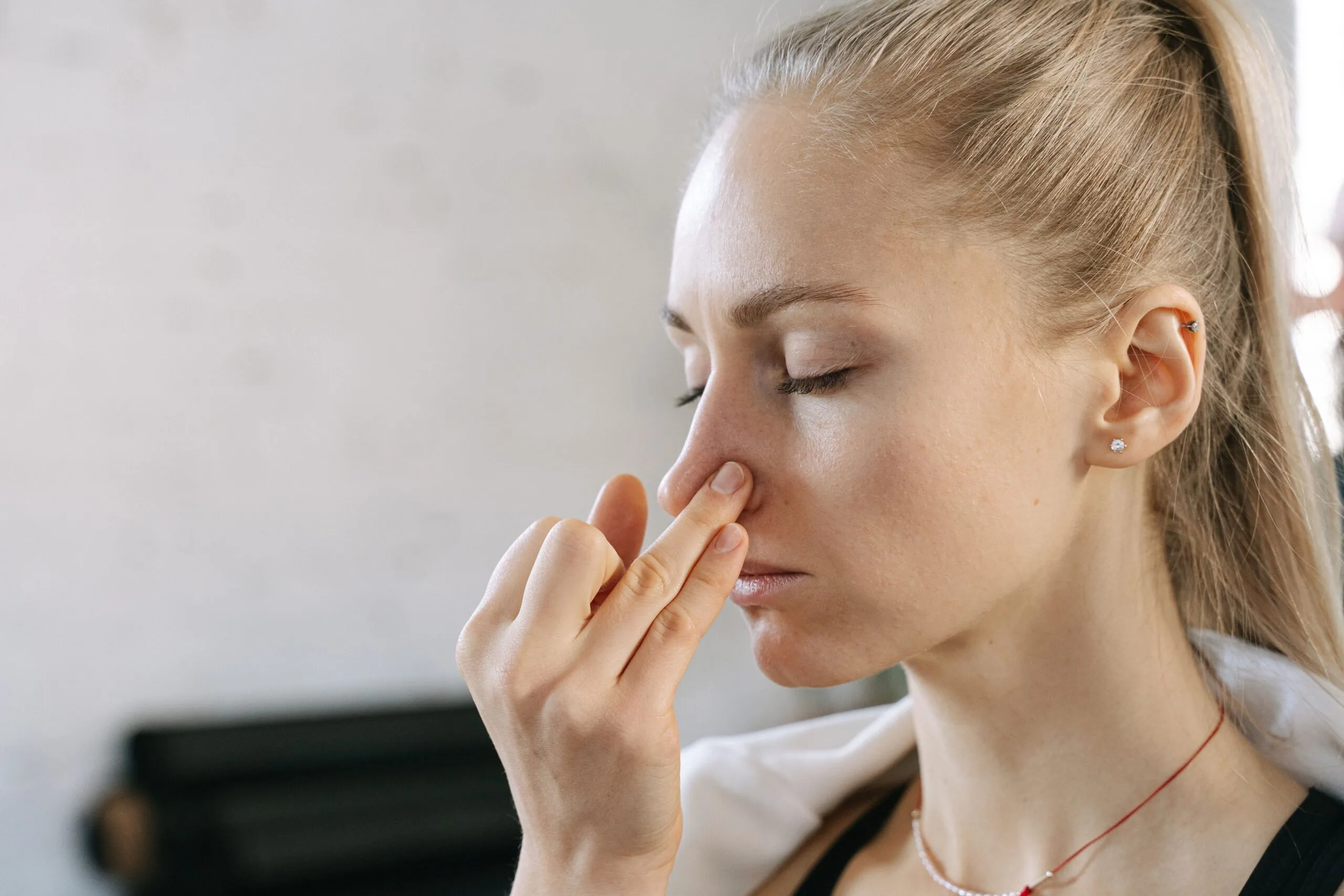
It is mid-summer; the heat is almost too much to handle. You feel the familiar trickle from your nose, reach for a tissue, and you see it, the bright red blood stain. You grab for more tissues but the bleeding won’t stop.
Up to about 60% of people experience a nosebleed during their lifetime, although only a small proportion require medical treatment. A nosebleed often arrives without warning. It can happen almost anywhere and at any time. Although many nosebleeds are minor and stop on their own eventually, they can be unsettling, and for some people, a recurring part of daily life.
Not much attention is given to nosebleeds in the broader discussions surrounding wellness, however, recurring nosebleeds can be the body’s way of signaling that the sensitive lining inside the nose needs more attention and care.
Why the Nose Is So Easy to Overlook
Most people never think about the inside of their nose until something goes wrong. We obsess over gut health, sleep scores, hydration, and step counts. The lining inside the nose works continuously to warm, filter, and humidify the air we breathe. Anything from winter heating to allergies, or simply blowing your nose too hard can all irritate the delicate lining. When the fragile vessels within the lining break, a nosebleed can follow.

The Hidden Impact of Recurring Nosebleeds
A single nosebleed is easy to dismiss. Five in a month is another story.
People who deal with frequent nosebleeds often make quiet adjustments to daily life. They keep tissues within reach, hesitate before booking flights, or avoid strenuous exercise because they never know when the next bleed might happen.
Parents often wake to what looks like a frightening amount of blood on a pillow, even when the bleed itself was relatively small. That alone can make an otherwise harmless nosebleed feel alarming.
Why the Nose Bleeds So Easily
The most common place for a nosebleed is surprisingly small. Right at the front of the nasal septum sits a dense cluster of tiny blood vessels. They’re close to the surface, which is why dry air or a vigorous nose blow can sometimes be enough to make one rupture. This small area works continuously to warm, filter, and humidify the air before it reaches the lungs. Understanding how vulnerable this part of the body is helps explain why prevention often focuses on protecting the nasal lining rather than treating a nosebleed after it starts.
Keeping the Nasal Lining Healthy
A little attention often goes a long way. Keeping the nose from becoming overly dry can make a noticeable difference for people who experience frequent bleeds. Simple habits may help reduce irritation, including:
- Keeping indoor air comfortably humidified
- Staying well hydrated
- Avoiding unnecessary nose picking or aggressive nose blowing
- Managing seasonal allergies when appropriate
Many people are beginning to focus on preventing excessive dryness and irritation before problems develop, rather than waiting for another nosebleed to happen.
A Smarter Approach to Managing Nosebleeds
Traditional advice has always been the same. Lean forward and pinch the soft part of the nose continuously for 10 to 15 minutes. Many people release their grip too early to check whether the bleeding has stopped, while others struggle to apply consistent pressure for the recommended amount of time. This gap between knowing what to do and being able to do it effectively has inspired the development of devices designed to simplify nosebleed management.

The NasaClip® is a reusable device developed by an emergency room physician, Dr. Elizabeth “Liz” Clayborne, to provide consistent pressure without you having to manually pinch your nose. The device uses soft, replaceable medical-grade sponges that sit inside the nostrils. An external clip then maintains steady pressure over the area where most common anterior nosebleeds occur. The goal is to support the body’s natural clotting process while allowing you to remain hands-free. The reusable design also allows the clip itself to be kept while only the disposable sponge inserts are replaced after each use.
The NasaClip® offers versions designed for both adults and children, making the device suitable for family first-aid kits, sports bags, school backpacks, workplaces, or travel. The kit includes the reusable clip, a storage case, and replacement sponges.
Regardless of the device, proper first aid remains important. Current guidance recommends leaning slightly forward rather than tilting the head back, allowing blood to drain out of the nose instead of into the throat. If bleeding continues for around 30 minutes despite consistent pressure, or if the bleeding is severe or follows significant injury, always seek medical advice.
When Stopping the Bleeding Takes Longer
For most people, a nosebleed is nothing more than a brief inconvenience. If you are taking blood-thinning medications, stopping a nosebleed can take longer. Blood thinners such as anticoagulants or antiplatelet medicines prescribed for heart conditions or stroke prevention reduce the blood’s ability to clot so bleeding may be prolonged. While you should never stop taking these medications without medical advice, being prepared to manage an unexpected nosebleed can provide greater confidence and peace of mind. In these situations, maintaining steady, uninterrupted pressure over the bleeding area becomes especially important. The NasaClip® is designed to deliver consistent compression without the manual nose pinch. In instances like this, where the position has to be held for lengthier periods, the NasaClip® is worth keeping within reach.

Why Parents Often Notice the Problem First
Children experience nosebleeds more frequently than many adults. Their nasal tissues are especially delicate, and everyday activities, seasonal allergies, dry classrooms, and accidental rubbing or picking can all contribute. For parents, recurring nosebleeds can be concerning. While many childhood nosebleeds are harmless, reducing irritation and supporting healthy nasal care habits may help minimize how often they occur. Teaching children gentle nose care, encouraging hydration, and maintaining comfortable humidity levels can all become part of a simple preventive routine.
Looking After the Nose Before Problems Start
As wellness moves toward a phase of prevention rather than reaction, more people are recognizing that small areas of health deserve attention before they become larger concerns.
Recurring nosebleeds may seem like a minor inconvenience, but they often reflect the condition of the delicate nasal tissues. Supporting those tissues through everyday care may help improve comfort and reduce interruptions to daily life.
The Smallest Habits Often Matter Most
We spend very little time thinking about our noses when everything feels normal. Comfort isn’t something we usually notice until it’s interrupted. Regardless of the cause, nosebleeds remind us that even the smallest parts of the body deserve thoughtful care. Most days, your nose warms every breath you take without you sparing a thought about it. It only tends to make itself known when something goes wrong. Nosebleeds deserve a little more respect than they usually get. The smallest warning signs are the easiest to ignore, and the simplest to prevent.