
Think back to that washing machine you bought last summer. With all the new technology you would not have been able to use it without a manual. Every machine arrives with instructions. Phones explain their settings. Cars come with hundreds of pages of maintenance advice. Even a coffee machine includes diagrams showing exactly how it should be cleaned.
Unfortunately, the human body doesn’t come with those instructions. Most people reach adulthood without ever learning how to breathe efficiently under stress, how their ribs are supposed to move when they inhale, why balance deteriorates after years of sitting, or why one hip always seems tighter than the other. We spend our entire lives living inside remarkably complex bodies while understanding surprisingly little about how they actually work.
With that in mind, it becomes easier to see why movement has become so confusing. The modern fitness industry tells us to count everything from calories to heart rate. No matter how much effort we put in, we’re told the answer is to push a little harder.
Through all of it we simply go along because we assume the experts know what they’re talking about, it’s their job. Few of us stop to wonder whether the problem isn’t motivation at all. Maybe we’ve simply never learned how to listen to what our bodies have been telling us. Pilates approached movement as education long before wearable technology and recovery gadgets became part of everyday wellness. It wasn’t created for one type of person or one stage of life. It was designed to help people understand the body they already live in.

The Myth of the “Fitness Person”
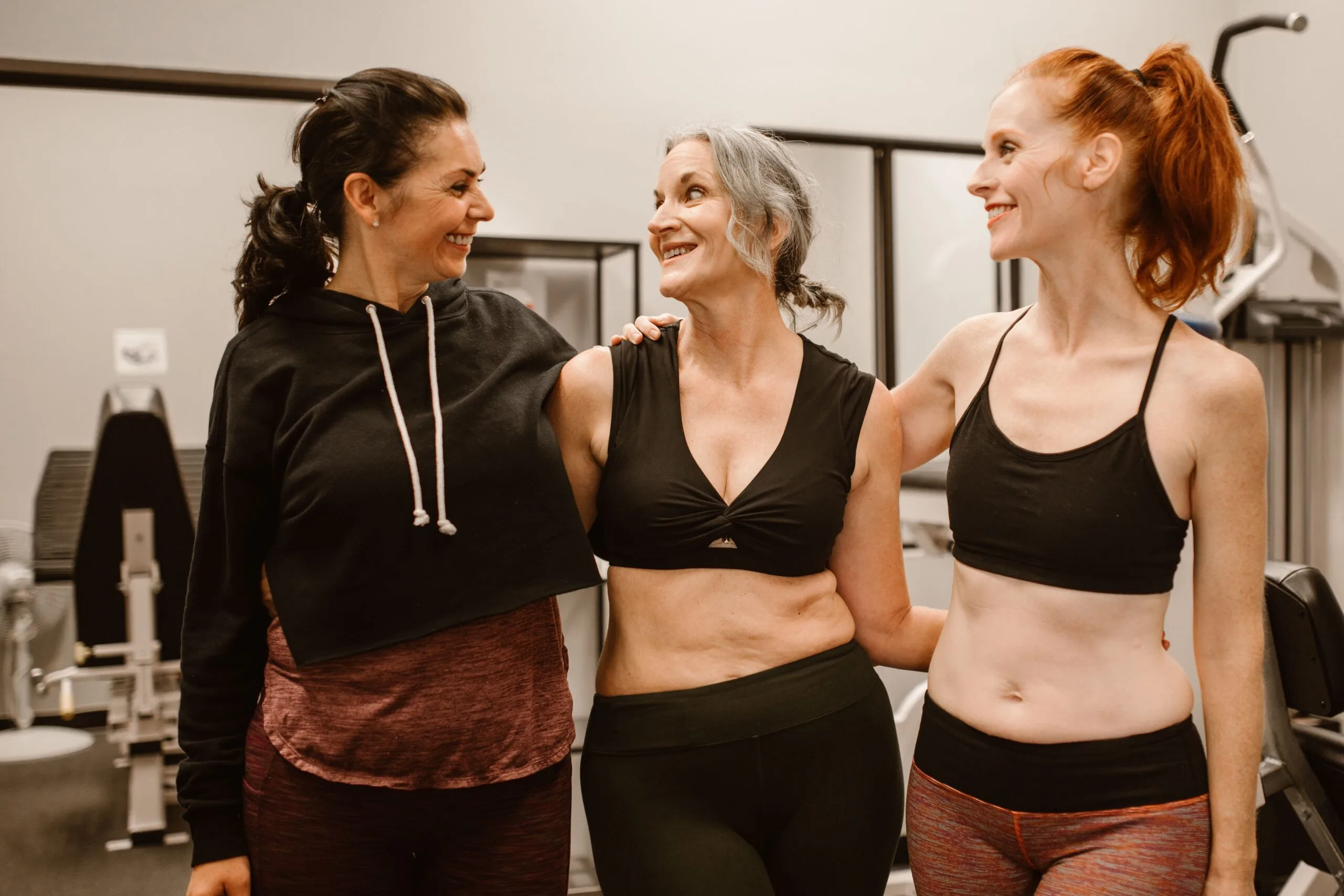
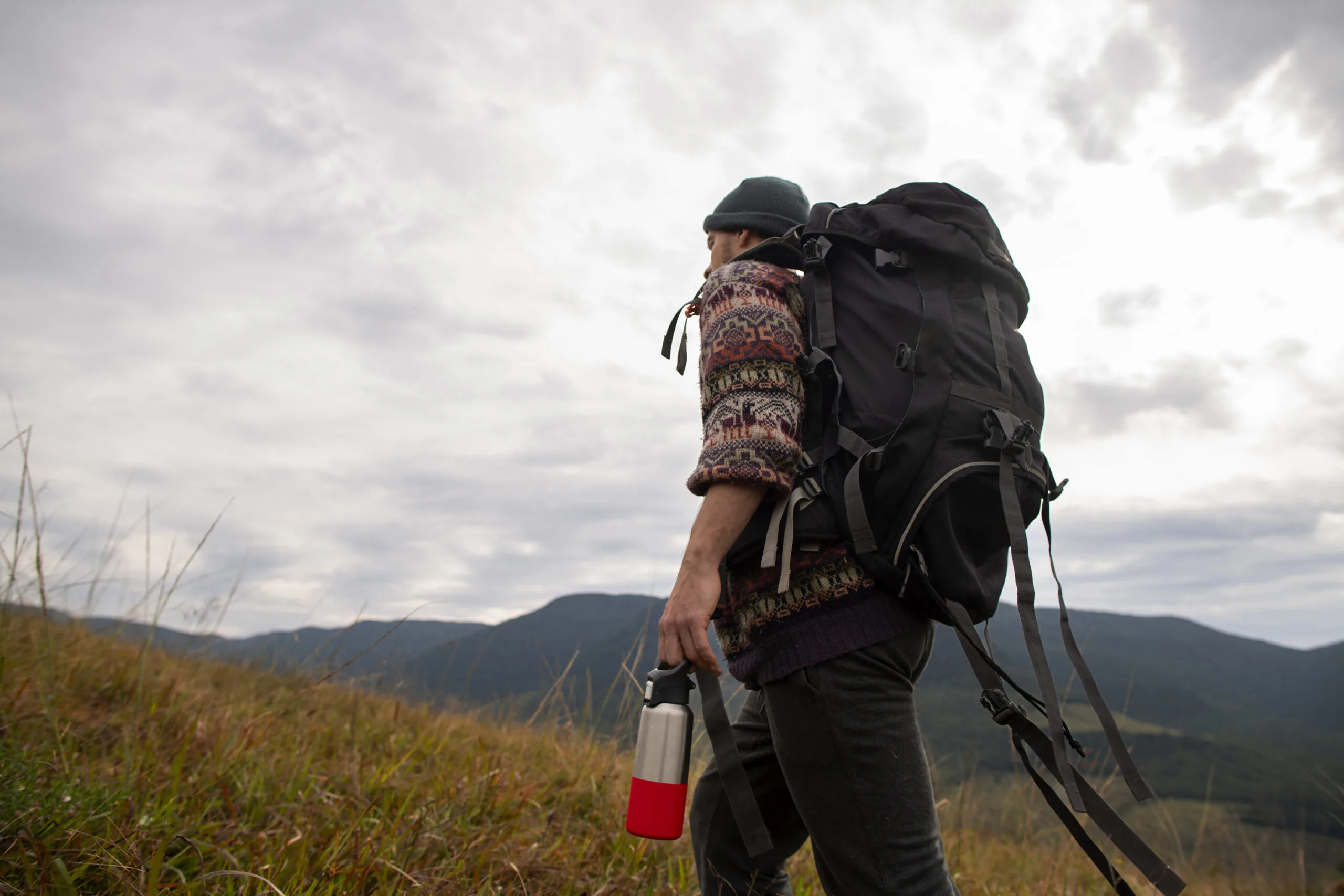
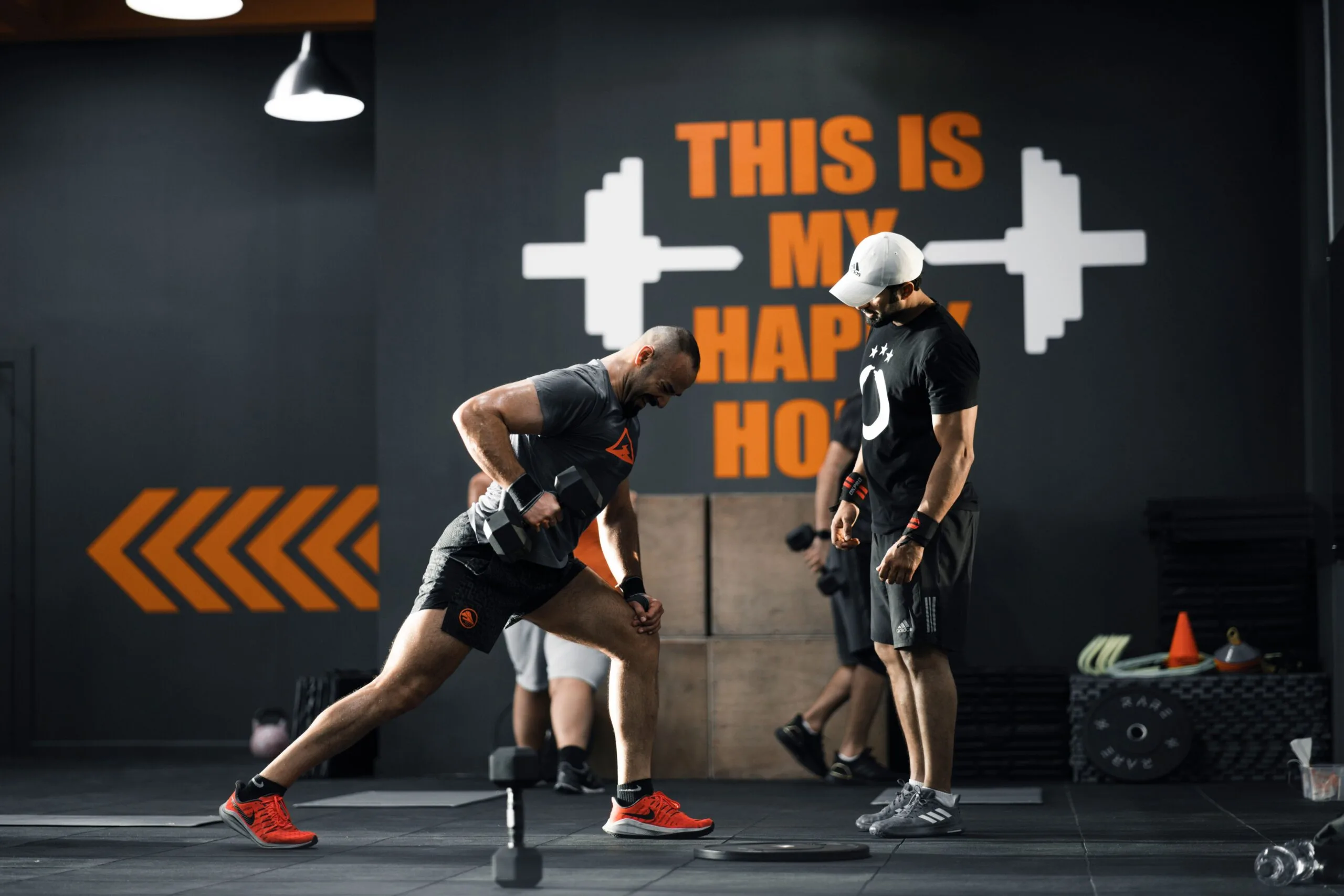
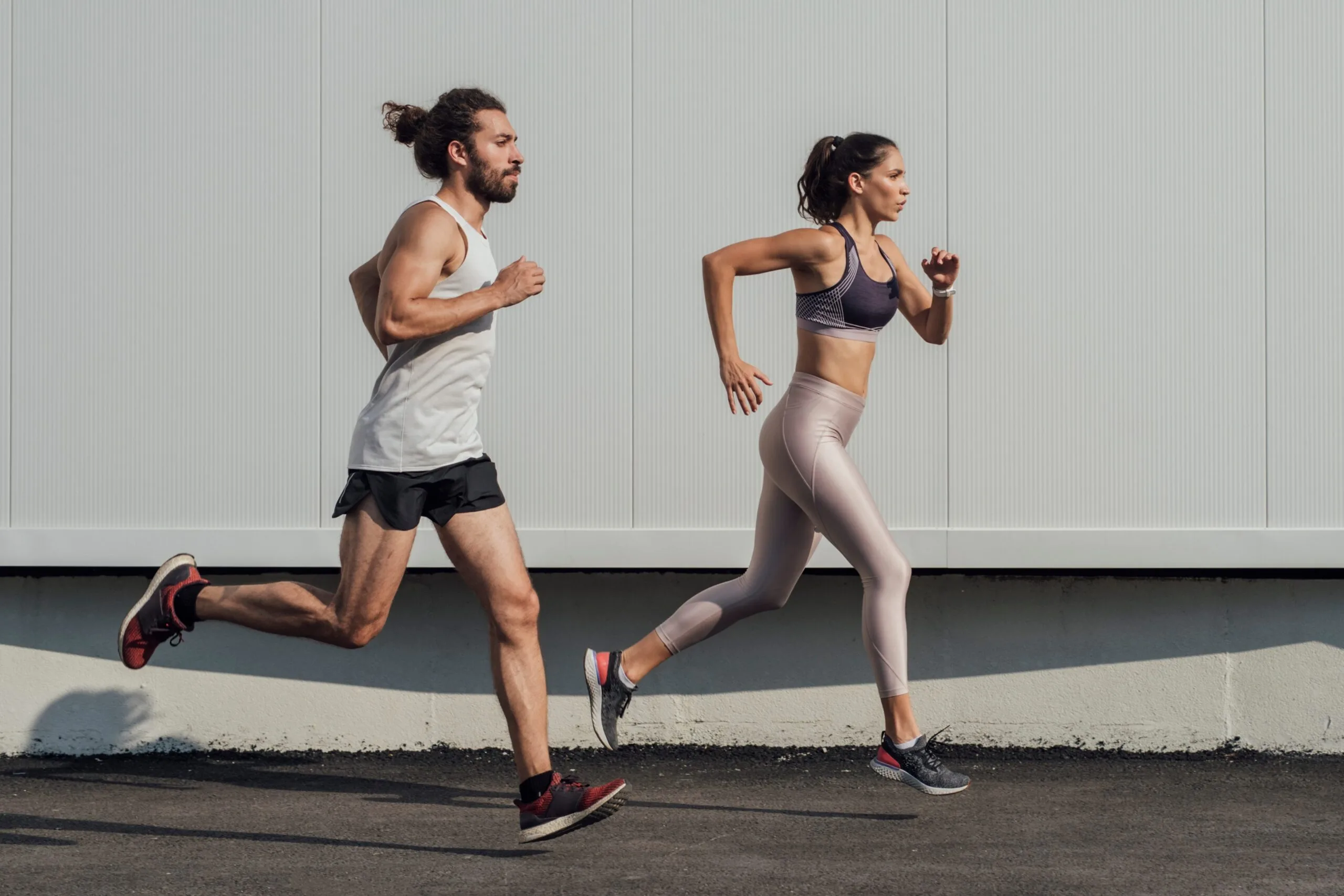
Culture today divides people into two groups. There are “fitness people,” and then there is everyone else. It’s an invisible label that keeps countless people from ever beginning. A woman recovering after pregnancy might believe she is too weak, an older person may think they are too old, beginners feel too unfit, and the everyday office worker might hide behind “I’m too busy”.
Pilates challenges every one of those assumptions. The goal isn’t to become a fitness person, it’s just to move with less effort than the day before.
Every Body Has a Different Starting Line
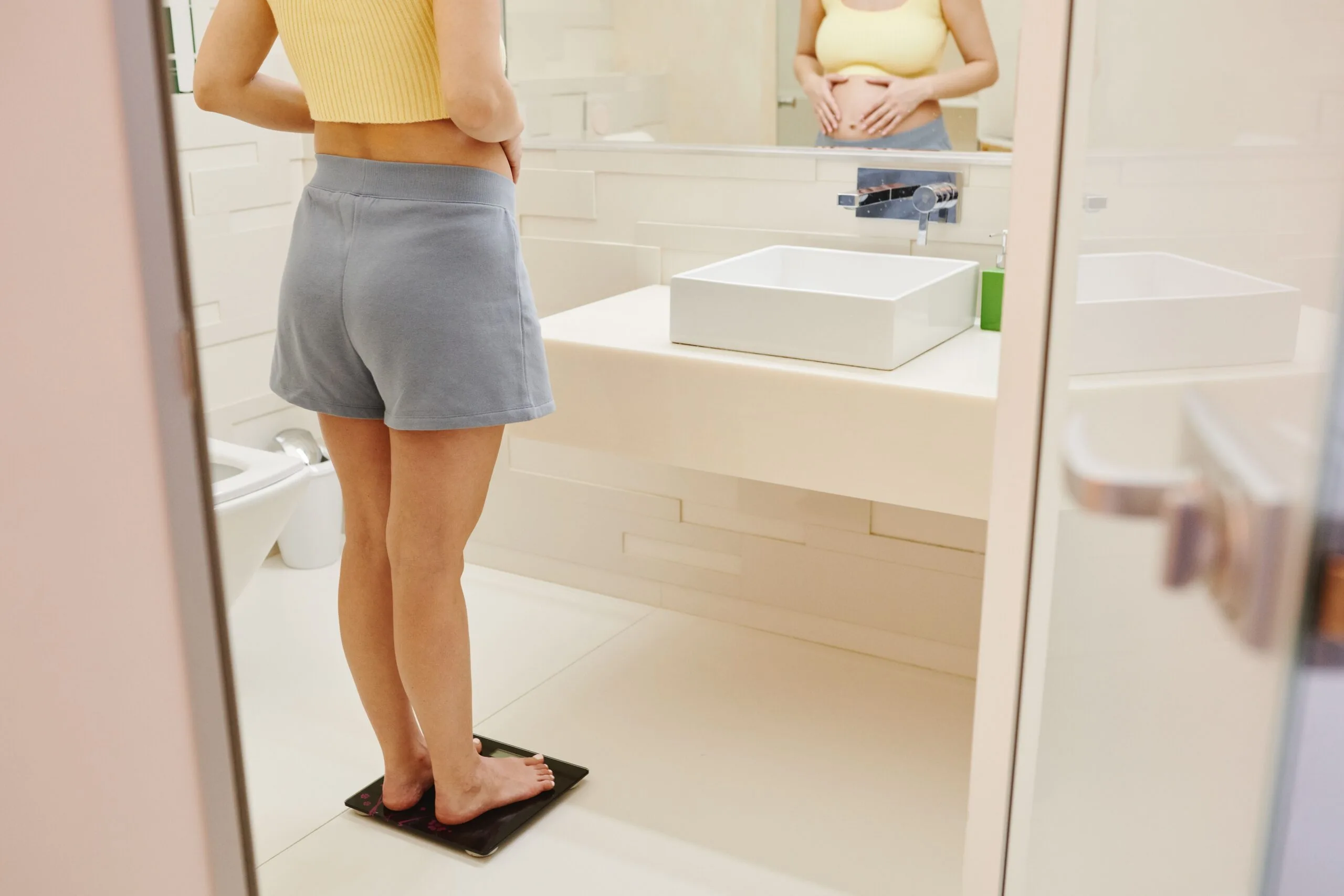
No two bodies carry the same history. Someone who has recently gone through a pregnancy may notice changes in their breathing patterns, abdominal strength, and pelvic stability. Years spent behind a desk reshape posture. Competitive sports create powerful muscles alongside hidden imbalances. Then there’s age, which naturally affects mobility and balance.
Instead of forcing every person into the same workout, Pilates adapts to those stories. Beginners discover body awareness before intensity. Pregnant women often focus on breathing, gentle mobility, and stability under appropriate professional guidance. Postpartum movement emphasizes gradual rebuilding rather than rushing back. Older adults benefit from exercises that support balance, coordination, and functional strength.
Adaptive Pilates continues expanding opportunities for individuals with physical disabilities, proving that meaningful movement isn’t reserved for perfect bodies.
Home Has Become the New Studio
One of the biggest shifts in wellness is happening in living rooms. People increasingly want movement that fits around real life rather than requiring life to revolve around exercise.
The Fit Fab Co was founded by Poonam and Aanal after they recognised a problem many women already knew well. Between careers, caregiving, family responsibilities, and endless schedules, wellness had become another appointment to squeeze into an already full calendar.

The Fit Fab Co focuses on practical, restorative movement that encourages consistency. Most routines take around fifteen minutes, making them realistic even on busy days. For most people, fifteen minutes feels realistic enough to become a habit.
Their Pilates Starter Kit reflects that approach. You don’t need to attend an expensive studio or a room full of equipment. The kit includes versatile Pilates essentials such as a resistance ring, mini ball, and other accessories that make it possible to build strength, improve flexibility, and develop better body awareness from home.
Posture Is More Than Standing Up Straight
When people hear the word posture, they often picture military precision. A stance traditionally associated with shoulders back, chest out, and standing tall. Posture is really the body’s memory. Most people don’t notice they’re leaning forward until they catch their reflection in a shop window or see themselves on a video call. Years of stress, screens, and repetitive habits slowly become the body’s default setting.
Correcting posture isn’t about forcing the shoulders backward for five uncomfortable minutes. It’s about gradually teaching the body a different pattern. It has to unlearn what years of habit taught it was normal.

For people spending long hours at desks or behind steering wheels, wearable supports can reinforce that learning alongside strengthening exercises. The Fit Fab Co’s Posture Corrector is worn comfortably beneath clothing; it gently encourages improved shoulder and spinal alignment while helping users become more aware of how they naturally hold themselves throughout the day. It may help reduce everyday neck and back discomfort associated with poor posture by supporting healthier movement habits if you use it consistently.
It is important to remember, however, that persistent or severe neck and back pain should always be assessed by a qualified healthcare professional. A posture corrector is not a substitute for medical diagnosis or treatment.
Wellness That Moves Beyond the Individual
Think about the last time you slept well after weeks of discomfort. Chances are you were kinder, more patient, and had a little more energy for everyone around you. You answered questions without snapping. You didn’t dread picking up the laundry basket. The little things simply felt lighter. Taking care of one body often improves many lives around it.
Through its Move to Matter initiative, the company pledges 2% of annual sales to CARE, supporting women’s empowerment projects around the world.
Maybe the Goal Was Never Fitness
Instead of asking whether we’re fit enough, perhaps we should be asking whether our bodies are helping us live the lives we want.
Most people aren’t training for marathons or trying to master advanced Pilates poses. They’re hoping to keep up with their children, carry the groceries without a sore back, enjoy a holiday without aching after a day of walking, or simply get through a workday feeling less stiff than they did the day before. That’s what makes Pilates practice so enduring. It isn’t reserved for one age, one body type, or one stage of life. Pilates begins in the same place: with the body they have today.
It’s also the thinking behind The Fit Fab Co. The brand focuses on making movement feel achievable. From its Pilates Starter Kit, which brings studio-inspired exercises into the home, to its Posture Corrector, which encourages better alignment throughout the day, the goal is helping people move a little better, a little more often.
In the end, wellness isn’t about creating a different body. It’s about feeling comfortable, capable, and confident in the one you’ve always had.