
Walk down any skincare aisle, in any store today and you will notice something: almost every product promises everything: hydration, anti-aging, brightening, barrier repair, glow, firmness, calm, and radiance.
The language that adorns the labels is polished, the packaging is beautiful, and the ingredient lists often sound like mix of chemistry textbooks and garden catalogs.
People seeking skincare products are becoming more informed and growing more selective about what they put on their skin. They want to know what is actually inside the jar, understand why an ingredient is there, and what purpose it serves. They want to know whether a formula was thoughtfully designed or simply created around whatever ingredients happen to be trending at the time.
That shift toward ingredient awareness has created space for brands that approach skincare differently.
Among them is Pickle’s Potions, a Maine-based skincare company built around an unusual balance that many brands struggle to achieve: evidence-based formulation and handcrafted small-batch production.
The brand story began with a baby, a mother, and a problem that needed solving.
When Necessity Becomes Innovation
In 2015, cosmetic formulator and herbalist Kristin “Pickle” Mutchler found herself facing a challenge many parents know well. Her newborn was experiencing severe eczema.
For many families, the immediate route often becomes over-the-counter creams, visits to dermatologists and prescription steroid treatments. Kristin chose another path rather than relying solely on conventional options. She turned to her background in herbalism and cosmetic formulation and started researching botanical ingredients supported by research and traditional herbal knowledge.
She created a balm designed specifically to soothe irritated skin. The early results encouraged her to continue refining the formula, eventually leading to something much larger than a home remedy.
What began as one carefully crafted formula evolved into a skincare brand with flagship stores in Maine, products stocked in boutiques throughout the state, international shipping, and more than sixty clean beauty awards worldwide.
Yet, despite the growth, one thing remains largely unchanged: the products are still researched, designed, and tested in small batches. In a world where mass production dominates beauty shelves, that detail matters. Small-batch production allows tighter quality control, greater ingredient traceability, and the ability to preserve formula integrity.
Consumers are increasingly appreciating that approach. Because skincare is personal. And people want products that feel personal too.
Why Ingredient Transparency Matters in Skincare
Modern skincare shoppers are more informed than ever. People are reading labels. They are researching ingredients. They are asking questions.
- What exactly is niacinamide?
- Why does hyaluronic acid come in different forms?
- What does a botanical extract actually do?
Many shoppers have experienced the frustration of buying products loaded with trendy ingredients only to discover that the concentrations are minimal or the formulas do not deliver.
One of the distinctive elements of Pickle’s Potions is the effort to translate complicated cosmetic language into plain English. Instead of leaving consumers to decode long ingredient names through online searches, the goal is to make labels easier to understand.
That approach does more than simplify shopping. It creates trust. People tend to feel more confident using products when they understand what they are putting on their skin.


Benefits of Hyaluronic Acid for Skin Hydration
For years, anti-aging solutions centered around aggressive treatments and stronger active ingredients. Consumers chased exfoliation, resurfacing acids, and intensive treatments in search of smoother-looking skin.
But skincare conversations are evolving. People are realizing that healthy-looking skin often starts with something far simpler: hydration.
When skin becomes dehydrated, it can begin to look dull, tired, and less resilient. Fine lines may appear more noticeable, texture can feel rough, and the skin barrier itself may struggle to function at its best. That shift in understanding has placed ingredients like hyaluronic acid firmly in the spotlight.
Hyaluronic acid, often shortened to HA, is a naturally occurring substance already present in the skin. One of its most remarkable characteristics is its ability to hold more than one thousand times its weight in water. As we age, natural levels of hyaluronic acid gradually decline, which can contribute to visible dryness and loss of plumpness.
That is important because hydration is doing far more than simply making skin feel soft.
Healthy hydration can help:
- Support the skin barrier
- Improve skin resilience against environmental stressors
- Create a smoother, fuller-looking appearance
- Reduce the appearance of fine lines associated with dehydration
- Support overall skin health and renewal
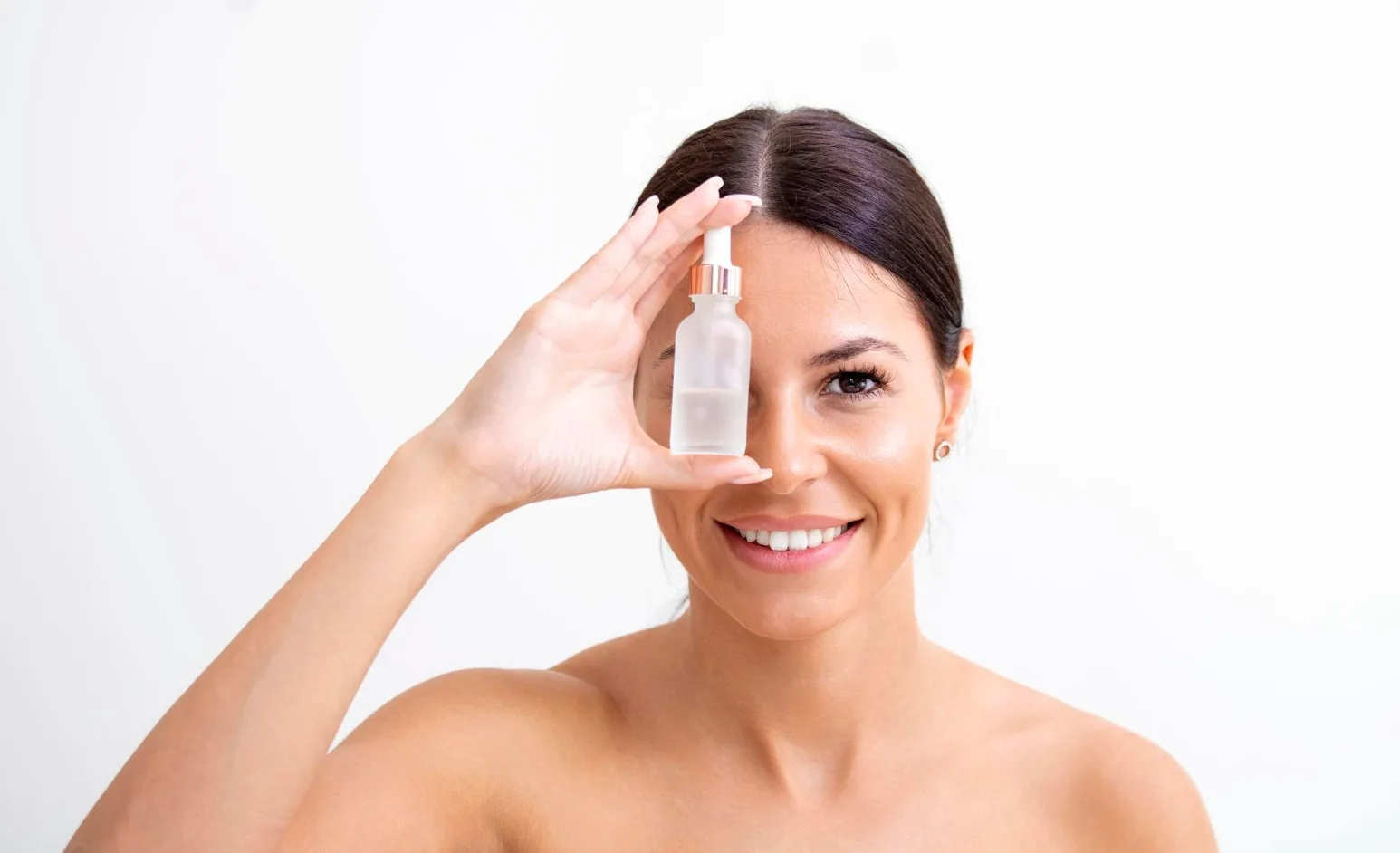
Within the Pickle’s Potions line, the Hyaluronic Acid Serum has attracted attention for taking a broader approach to hydration rather than relying on a single ingredient.
The formula combines both high and low molecular weight hyaluronic acid. Multi-weight HA systems are commonly used because different molecular sizes interact with the skin differently, helping create hydration across multiple surface levels rather than providing only short-term moisture.
But the formula extends beyond hydration itself.

Cucumber hydrosol contributes skin-toning and refreshing properties while helping support a balanced appearance. Sweetgrass hydrosol provides additional skin-conditioning benefits and has traditionally been used for its freshening qualities.
Several botanical extracts add another layer of support:
- Ginkgo biloba delivers antioxidant compounds associated with protecting skin from environmental stressors
- Gotu kola has been widely studied in skincare formulations and is commonly included for its skin-conditioning properties
- Korean ginseng contains naturally occurring phytonutrients frequently used in skincare formulations focused on overall skin vitality
- Sea kelp bio-ferment contributes vitamins, amino acids, and nutrient-rich compounds that help support healthier-looking skin
The result is a lightweight serum designed to feel refreshing rather than heavy. This is an important distinction because many consumers want deep hydration without the sticky or overly layered feeling some products can leave behind.
Consumers are not simply looking for stronger products, they are looking for smarter formulations. Products that support the skin and combine evidence-backed ingredients with botanicals that serve a real purpose.
Sometimes healthier-looking skin begins with giving the skin what it has been missing all along: water.
Bakuchiol vs Retinol: What’s the Difference?
Dermatologists and beauty professionals often recommend Retinol for smoothing texture, reducing visible signs of aging, and encouraging collagen production; however, many people struggle with retinol-related irritation:
- Dryness
- Peeling
- Redness
- Sensitivity
One botanical ingredient attracting attention is bakuchiol. Bakuchiol is often described as a plant-based retinol alternative because it can help address concerns like fine lines and uneven texture while generally creating less irritation.
That ingredient plays a major role in the Chi Triple C + Bakuchiol Serum.
Rather than relying on a single vitamin C source, the formula uses three different forms designed to target multiple concerns. Oil-soluble tetrahexyldecyl ascorbate works within the skin’s lipid layers and is commonly associated with collagen support. Additional vitamin C derivatives contribute surface-level brightening while avoiding some of the sensitivity that traditional vitamin C formulas can create.
Bakuchiol works alongside these ingredients while ferulic acid and vitamin E add antioxidant support. Hydrating components like panthenol, betaine, and hyaluronic acid help maintain comfort.
For consumers wanting visible brightening and rejuvenation without the recovery period often associated with stronger actives, that balance becomes appealing. The new focus in skincare is effectiveness without unnecessary discomfort.

Sustainability and Small-Batch Skincare
Consumers today are paying attention to more than ingredients. They are asking larger questions.
- How was the product made?
- Where did ingredients come from?
- What happens to the packaging afterward?
- Who benefits from the business itself?
Sustainability conversations in beauty have grown considerably over the last few years, and people expect more than vague promises.
Packaging choices at Pickle’s Potions lean heavily toward glass and recyclable HDPE materials, alongside participation in a take-back program designed to repurpose returned empties.
The company maintains an eco-focused evaluation process when developing products. The question becomes bigger than “Can we make this?” It becomes: “Should we?” Does it address a real need? Are ingredients responsibly sourced? Can packaging be reused or recycled? Those questions may seem simple, but they shape the decisions people make about their skincare options.
The Human Side of Beauty
Sometimes brands grow so quickly that their original story disappears. The founder becomes distant. The process becomes anonymous. The products become numbers. Yet some companies, like Pickle’s Potions, continue holding onto their roots even as they expand. That may be why people are drawn to businesses that still feel human.
Because skincare has always been about more than appearances. At its best, skincare becomes part of daily self-care.
- A quiet ritual
- A small pause
- A few moments dedicated to feeling comfortable in your own skin
And perhaps that is why stories like this continue to resonate. Not because of awards. But because it began with someone trying to solve a real problem, and never losing sight of the people behind it. In a beauty industry filled with endless promises and fast-moving trends, there is something refreshing about skincare built around evidence, transparency, and a small-batch soul.