

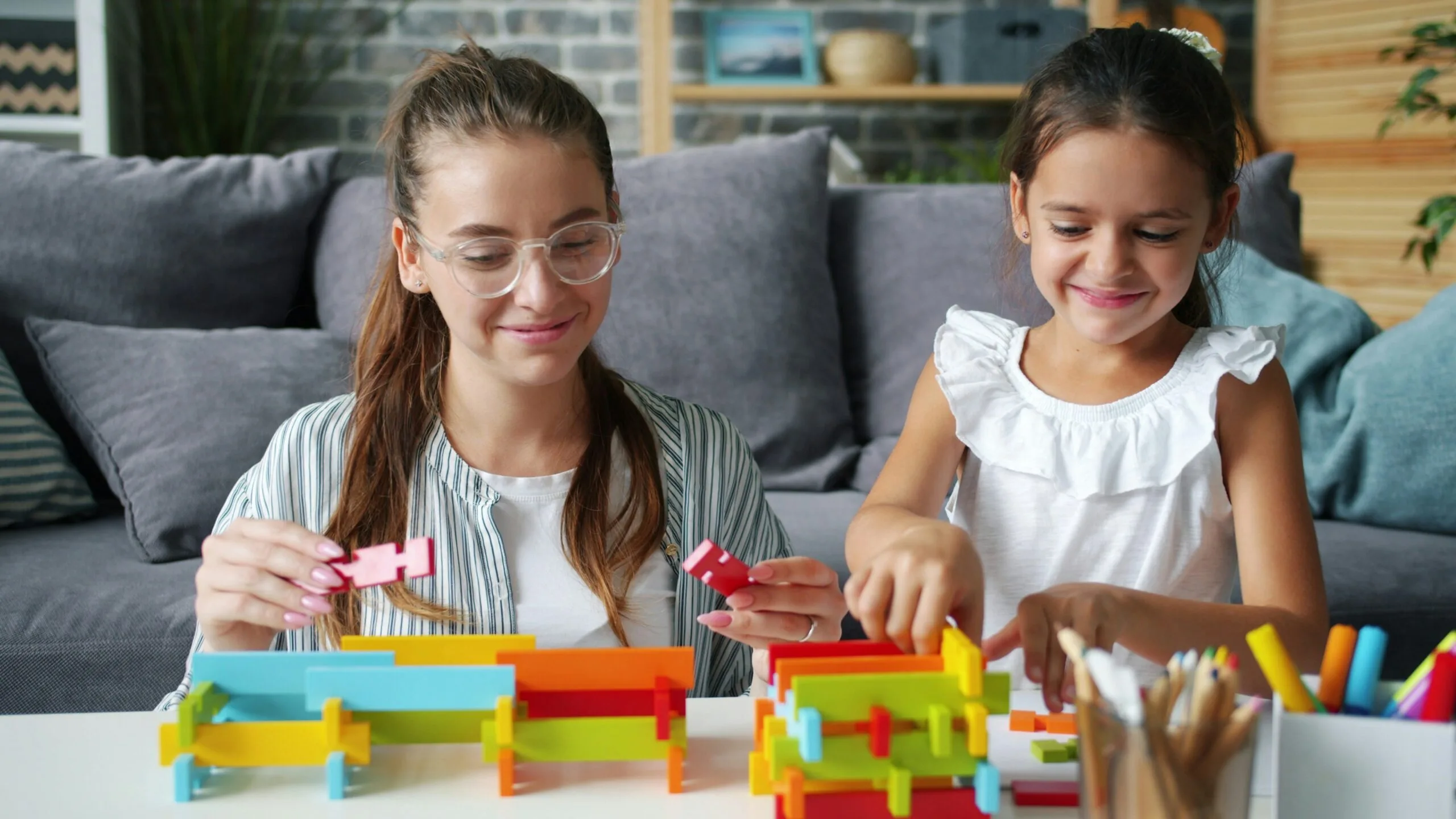
It’s a bit of a strange feeling, and not the easiest thing to explain properly. You just feel restless. Like there’s energy in your body, but nothing to do with it. Sometimes it’s that urge to get up for no reason, or just not being able to fully settle. For many people, it shows up in small things. Mostly with their hands. Tapping on a desk, clicking a pen, messing with sleeves, or whatever’s nearby. It’s not even something you think about half the time; it just kind of happens. When the mind feels busy, the body generally follows. This fidgety feeling can make it extremely difficult to sit through a conversation, watch a movie, or even concentrate on a single task. It is a common experience for those who live with constant worry, for active minds that process the world differently, or for older individuals whose memories are beginning to slip away slowly. In these very moments, words often fail. Attempting to just relax is like telling a stormy sea to be still; it is just impossible. By giving the hands a purposeful task, the mind can finally find a bit of grounding. This is where the habit of sensory play begins to change the day.

The Language of Touch
Human beings learn about the world through touch long before they learn to speak. Consider a child reaching out for a soft, plushy blanket or an adult rubbing a smooth stone. Touch is a direct link to the brain; it bypasses the need for complex thought and goes directly to the part of us that seeks comfort.
When the world feels noisy or confusing, the sense of touch can act as a pillar. Using tools designed for the hands, often called sensory tools, creates a bridge back to the present moment. Rather than drifting away into anxiety or frustration, a person can concentrate on the physical reality of what they are holding in their hands.
Geri Gadgets has tapped into the basic human need by creating products that focus on SafeTouch silicone. They offer a texture that feels natural and welcoming. It is soft, grippy, and warm to the touch; it does not feel like a cold, hard toy. It feels like something that is meant to be held.
A Daily Habit of Grounding
The majority of people think of health as large habits, like eating a perfect meal or going for a long run at sundown, but mental well-being is often built on much smaller moments. A short, steady habit can be the difference between a stressful day and a day that feels easy to manage.
Merging a sensory ritual into a daily routine is a simple way to regulate the nervous system. It works like this:
- Finding a quiet seat- this could be in the morning with a cup of tea or coffee, or even at nighttime before bed.
- Open the kit- having a designated space for these tools makes the activity feel much more intentional and special.
- Engage the hands- there is no wrong or right way to play, the aim is to move, feel, and explore.
For a family caring for an elderly loved one, this habit slowly becomes a shared language. When conversation is challenging, sitting together and moving around shapes creates a bond that does not require words. It takes away the pressure to perform or remember. It simply allows two people to be in a shared space, focused on the same simple task.

Exploring Familiar Textures
One of the most beneficial ways to calm a busy mind is through the Shapes Bucket. This is not just a container of random objects; it is a portable environment of exploration. Inside, one finds a variety of recognizable forms, stars, and squares.
The magic of this tool really lies in its simplicity; the hand reaches in and searches for a smooth edge. They trace the curve of a circle with their fingers, and they feel the weight of a solid object. This is the type of fail-proof interaction that is essential. There are no puzzles to solve and absolutely no way to get the task wrong.
The sensory experience is deeply satisfying:
- The Texture: Soft, flexible silicone feels satisfying to press and release, just enough resistance to take the edge off that fidgety energy.
- The Weight: Holding something real brings you back into yourself, helping you feel grounded and a little more in control.
- The Discovery: Rummaging through the kit for a shape sparks a small curiosity; sometimes, that’s all it takes to lift your mood a notch.

Finding Focus Through Rhythmic Movement
For those who need to move their hands while doing things, such as listening to a story or waiting in a waiting room, the Fidget Gidgets bucket offers a different type of support. These are smaller tools created for consistent, rhythmic motion. Hands need something to do; it is a scientific fact for almost all people. Instead of poking at the skin or biting nails, the hands can find solace with a practical tool. These items are specifically designed to be turned, clicked, and rubbed.
The repeated motion acts like a rhythm for the brain, just as a steady drumbeat can calm a crowd, the physical feedback of a handheld tool can stabilize a racing heart. It gives the ‘too much energy’ a safe place to go. For a student who cannot sit still or a grandparent who feels irritated in the late afternoons, these objects present a sense of control.
Why Simple is Better
We live in a world of high-tech gadgets and an array of screens, but for someone who is feeling overwhelmed, more technology is generally the last thing they need. Screens are demanding and fast; they flash and beep, requiring the brain to work hard. Sensory tools from Geri Gadgets do the polar opposite. They are deliberately low-tech; they don’t make noise or need batteries. They simply exist to be held; this is the simplicity in a gift; it lowers the volume of the environment. When a person interacts with these tools, their body begins to produce natural feel-good chemicals. Small movements can trigger dopamine, which helps us feel interested in life; it is the happy hormone. Shared play can kickstart oxytocin, the chemical that makes us feel loved and safe. You do not need to comprehend the science to feel the results. You only need to feel the calm that subsequently follows a couple of minutes of silent play.
Evolving with Balance
Just to be clear, these kinds of tools aren’t some miracle fix. They’re not going to suddenly make everything better or take away whatever someone’s dealing with. Life doesn’t really work like that. But they can help in a smaller, quieter way. Just giving you something to come back to when things feel a bit too much.
And honestly, health isn’t just about not being sick. It’s also about how you feel day to day, in your own body. Whether you feel okay or a bit all over the place. When someone’s restless, and you give them something that actually helps them settle, it’s not just a distraction. It gives them a bit of relief. A bit of control again.
It’s kind of like saying, it’s fine that you need to move or fidget or do something with your hands. You’re not wrong for that. You just need something that works with you, not against you. For the family member watching a loved one battle with jittery hands, providing a Shapes Bucket is an act of deep love and care; it is a way to say I see you, without uttering a word.
At the end of the day, these tools aren’t magic wands. They won’t solve every problem. But they do offer something real: a way to find a little bit of comfort every day. For a daughter watching her dad struggle with ‘fidgety hands,’ something like the Shapes Bucket is a quiet way to show love. It’s a way to say ‘I’m right here with you’ without needing a script. Sometimes, wellness is just a Sunday afternoon sitting together, hands busy and hearts finally feeling quiet.